The popularity of smart homes has grown rapidly in recent years, as more and more Finns want to make their lives easier with technology. Home lights, heating, security systems, and entertainment devices can now be controlled with the touch of a button or even through voice commands. This brings significant convenience and efficiency – the smart home learns the user’s routines and adapts to them automatically. Additionally, energy efficiency and living comfort improve significantly when technology is used intelligently.
However, the development of smart homes also brings new types of risks that were previously not necessary to consider in everyday life. Any device connected to the internet can create a potential security vulnerability that hackers can exploit. Through the home network, personal information can be accessed or even devices can be controlled without permission. The same principle applies in the digital world as well – for example British casinos They emphasize speed and ease, but at the same time require reliable security solutions to protect users. Moving around in the smart home and online requires the same level of attention to data security. For this reason, protecting the smart home is now as important as locking the exterior doors – if not even more important. The benefit brought by technology is realized only when its use is safe and the user's privacy is protected.
What does a smart home actually mean today?
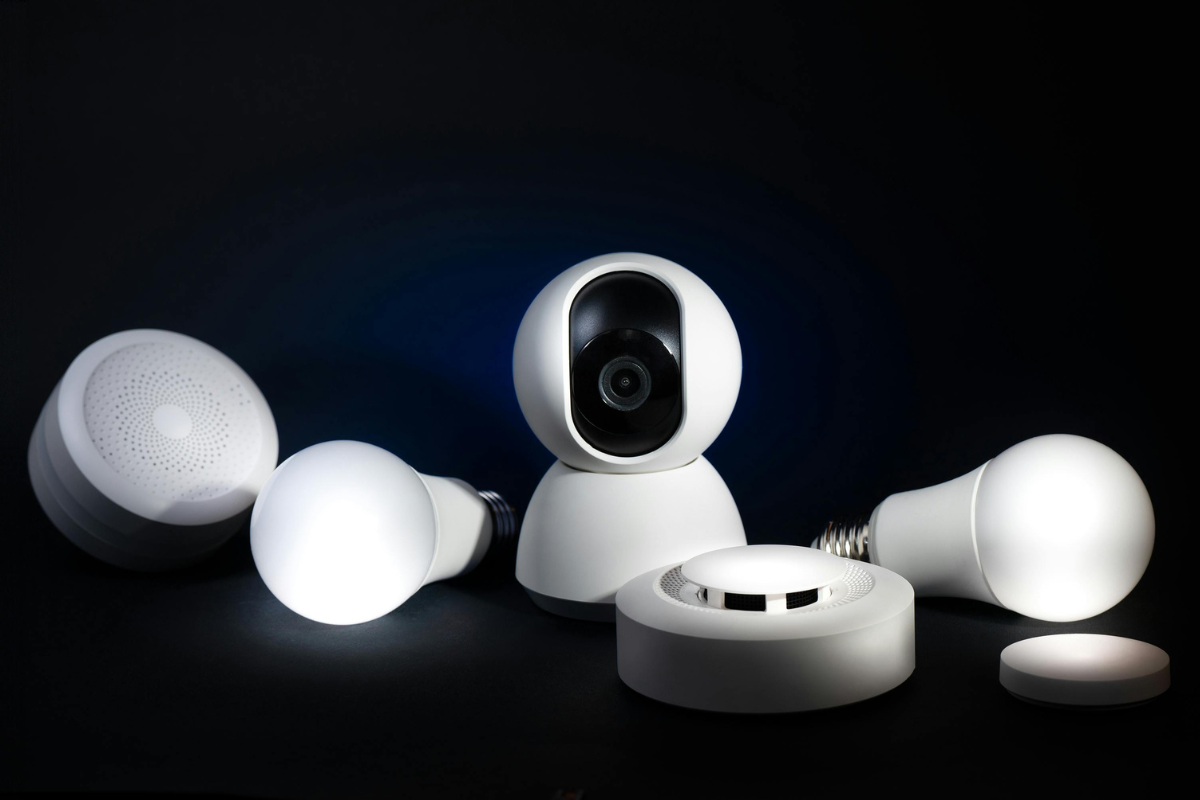
The modern smart home means a home where multiple everyday devices – such as lights, surveillance cameras, doorbells, thermostats, and audio control devices like Google Home or Alexa – are connected to the internet and to each other. These devices can be controlled centrally via mobile apps or smart hubs, making home management easier and more efficient. The operation of a smart home relies heavily on a home network that connects all IoT devices (Internet of Things) as a whole. The more of these devices are installed in homes, the more important it is to understand their connections and potential security risks.
The most common cybersecurity threats in smart homes
The most common security threats in smart homes are related to poor device protection and insufficient user settings. Hackers can easily access devices that use default passwords or weak passwords, which exposes the entire home network to attacks. Furthermore, cameras and microphones can pose a serious risk of espionage if left exposed to outsiders. Many smart devices utilize cloud services for data storage, and data leaks in these services can lead to sensitive information falling into the wrong hands. These threats highlight the importance of taking care of the basic settings and security of smart home devices right from the start.
Practical solutions for protecting the smart home
Smart home security does not require complex solutions, but it does require diligence and the right measures. One of the most important things is to ensure that each device is protected with a proper password. Too often the same or weak passwords are used on different devices, which exposes the entire system to attacks. Two-factor authentication is also highly recommended – it adds an extra layer of protection and makes it difficult for unauthorized users to access it.
The following practical measures can significantly improve the security of your smart home:
- Update your devices regularly: Software updates fix known vulnerabilities and keep devices up to date.
- Pay attention to physical investing: For example, avoid pointing the cameras towards windows or public areas.
- Use web segmentation: Create a separate Wi-Fi network for IoT devices so that they are not directly connected to computers or smartphones.
With these simple but effective measures, you can significantly improve the digital security of your home and enjoy the benefits of a smart home without unnecessary worries.
The router is the heart of the smart home – ensure its security
The router is the digital heart of the smart home, and its security directly affects the protection of all the devices in the home. It is recommended to use a modern and secure router instead of settling for the cheapest option offered by the operator. As soon as it is turned on, the default settings of the router, such as the password and network name, should be changed so that outsiders cannot easily access the network. To ensure a secure connection, it is important to use at least WPA2 encryption – preferably WPA3 if the device supports it. Additionally, a VPN connection can be used in the home, which encrypts all network traffic and provides an additional level of protection, especially when working remotely or handling sensitive data.
Choosing reliable devices and manufacturers
Choosing reliable devices and manufacturers is a key component of smart home security, as not all devices are equally reliable from a cybersecurity perspective. Well-known brands usually invest more in protecting their devices, provide regular software updates, and adhere to international security standards. Therefore, it is important to favor manufacturers whose products are CE-marked and have a good reputation for security. Before making a purchase decision, it is also worth checking how long software updates are scheduled for the device – some cheaper options may be left without support after just two years, making them easily vulnerable to attacks.
Cloud services security – what the user should know?
The use of cloud services is common in smart home devices, but it is important for the user to understand where and how their data is stored. Many smart devices store video recordings, settings, or usage history in a cloud service located abroad, which may be outside the country’s data protection regulations. In some cases, devices can also be used without a cloud connection, but in this case some functions may be unavailable. Thanks to the GDPR, users have the right to request the inspection, transfer, or deletion of their own data – this can be done by contacting the device manufacturer or by checking in the app whether it offers a direct deletion request function. It is important to know one’s own rights and to ensure that one’s privacy is in control even in the cloud layer of the network.
Protecting the privacy of children and families
Protecting the privacy of children and families is particularly important in smart homes, as many devices, such as cameras and microphones, can unintentionally record everyday life. It is especially not recommended to have constantly active devices in children's rooms unless their use is necessary. Parents should discuss with their children how to use smart devices and how to protect their own privacy from an early age. Additionally, mobile devices should be equipped with parental controls and usage restrictions that can prevent, for example, downloading apps, making purchases, or using the camera without permission. This way, the entire family can safely and responsibly use the smart home technology.
Summary and tips for home users
The smart home offers plenty of convenience and functionality, but its security does not come automatically – it requires active care and the right choices. However, every home user can improve their digital security with small and practical measures. By ensuring that basic essentials are in order, the most common threats can be prevented and technology can be used with confidence in everyday life.
Here is an easy checklist to help you protect your smart home effectively:
- Change the default password for every device immediately after deployment.
- Update your devices regularly to ensure the latest security updates.
- Check the cloud services settings and ensure that your data does not leak unnecessarily.
- Get a good router, which supports strong encryption (WPA2/WPA3).
- Use a separate network for IoT devices, so that the rest of the home's internet traffic remains separate from the smart devices.
With these basic tips, you can enjoy the benefits of a smart home safely and with confidence.