
Dayton Audio SPA250DSP -subwoofer-vahvistinmoduuli – Monipuolinen subwoofer-vahvistinmoduuli DSP-ominaisuuksilla

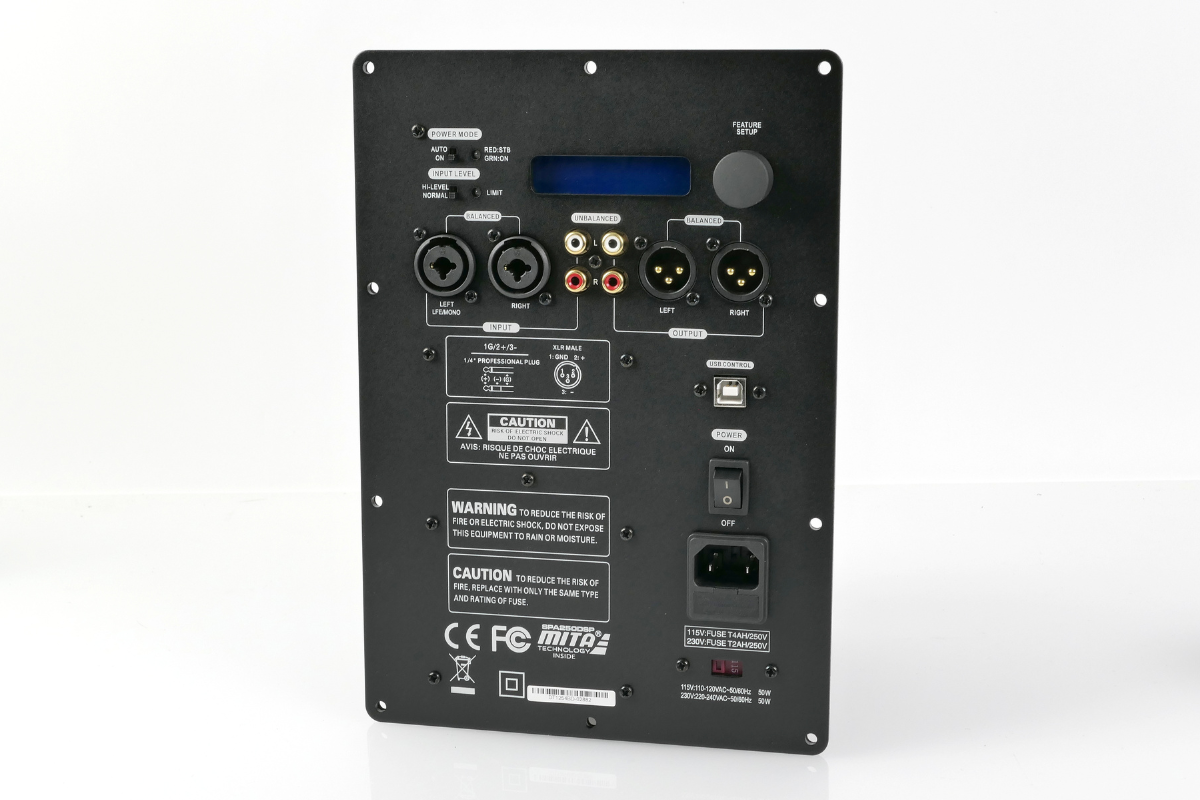
Säädöt DSP:llä
Dayton Audion tehoksi ilmoitetaan 250 wattia 4 ohmin kuormaan. Ei siis mikään tehohirmu, mutta riittävä moneen tarpeeseen (saatavana on myös tuplatehoinen SPA500DSP). Ilmoitus pitää myös paikkansa. Mittasimme tehoksi lähes 290 wattia 4 ohmin kuormaan, mutta “vain” 143 wattia 8 ohmiin. Kahteen ohmiin vahvistin rajoittaa virranantoa, mutta tehoa saadaan vielä saman verran kuin 4 ohmiin. Vahvistin on siis tavallaan “optimoitu” tuolle 4 ohmin kuormalle. Joka on muuten samalla suositeltava minimikuorma. D-luokan vahvistinaste mahdollistaa korkean hyötysuhteen sekä vähäisen lämmöntuoton.

Vahvistimen “juttu” on sen DSP-ominaisuudet: muun muassa 5-alueinen täysparametrinen taajuuskorjain, portaattomasti säädettävät ali-, ylipäästö- ja subsonic-suodattimet valittavalla jakojyrkkyydellä, portaaton vaiheenkääntö, säädettävä ylipäästön aikaviive ja eräänlainen dynamiikan rajoitin. Säädöt tarjoavat hyvät työkalut subwooferin toiston optimointiin erilaisissa tiloissa ja erilaisten pääkaiuttimien kanssa. Toki vastaavia ominaisuuksia on monessa AV-/kotiteatterivahvistimessakin aina automaattinen ns. huonekorjaus mukaan lukien, mutta tässä kuitenkin nimenomaan subwooferille dedikoituna, ja myös muuhun kuin kotiteatterikäyttöön.
Vahvistimen takapaneelissa on yhden säätimen käyttöliittymä ja sille LCD-näyttö. Säädöt on kuitenkin helpointa tehdä erillisen tietokoneohjelman (Wndows ja Mac) ja USB-yhteyden avulla (kts. erillinen linkki säätöjä esittelevään videoon). Puhelinsovellusta ei säätämiseen ole valitettavasti tarjolla.


Automaattinen virrankytkentä käynnistää vahvistimen signaalin havaitessaan ja siirtää sen lepotilaan käytön jälkeen. Liitännät käsittävät sekä balansoidut (XLR) että balansoimattomat (RCA) sisään ja ulostulot.
Jatka artikkelin lukemista
Tämä artikkeli kuuluu AVPlus Extra -sisältöön. Jatka lukemista 1 krediitillä.
Login if you have purchased
Lukuoikeus artikkeliin
Tämän artikkelin lukeminen maksaa 1 krediitin. Lukuoikeus avaa artikkelin kokonaisuudessaan ja tallentaa sen käyttäjätilillesi. Alkaen 0,39 €Most read today

Latest
Subscribe to the newsletter
Subscribe to our newsletter and stay up to date with the latest news in technology and entertainment electronics.
Survey
Quiz
Nokia phones
Related Posts
Philips The Roller ja The Tube – Liikkuvaa ääntä ihan omalla tyyliillä
Philips The Roller ja The Tube tuovat 1980-luvun boombox-hengen takaisin ilman kasetteja tai radiota. Tilalla ovat Bluetooth, akku, Auracast ja...
Cayin Jazz 70 – genuine tube sound and style at a reasonable price
The tube amplifier doesn't need to cost several thousand euros. The new Jazz 70 from Cayin brings classic EL34 tube technology, visible tubes, analog meters, and hand-crafted controls...

The use of artificial intelligence in music is growing rapidly, but there is still a lot to be learned about its use – at least in Finland.
Artificial music evokes significantly more reservations in Finns than the use of artificial intelligence in general. Artificial intelligence is rapidly becoming a part of everyday life, but the output it produces...
The new arrival of CDs is also reflected in devices – the Argon Audio CD1 is a new CD player priced at 399 euros
The arrival of vinyl records has been ongoing for a long time, and now a similar trend is also evident in CD records. Argon Audio responds to this interest with the new CD1 player,...
Audio-Technica ATH-AL5NC combines an open design and wireless connectivity – battery life up to 75 hours
Audio-Technica expands its range of open headphones with the ATH-AL5NC model, which is the manufacturer's first wireless open headphone. In addition to Bluetooth connectivity, it also features LDAC, noise reduction, and sound leakage...
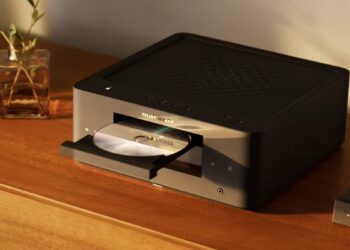
The Marantz MCR 60n combines CD, vinyl, streaming, and TV audio into one device
Marantz has introduced the new MCR 60 multi-functional device, which continues the manufacturer's long series of compact Melody systems. A web player, CD player, and...
We've detected you might be speaking a different language. Do you want to change to:
 Suomi Suomi
  English
Is 1 credit used to open this article?
You have 0 credits available.