
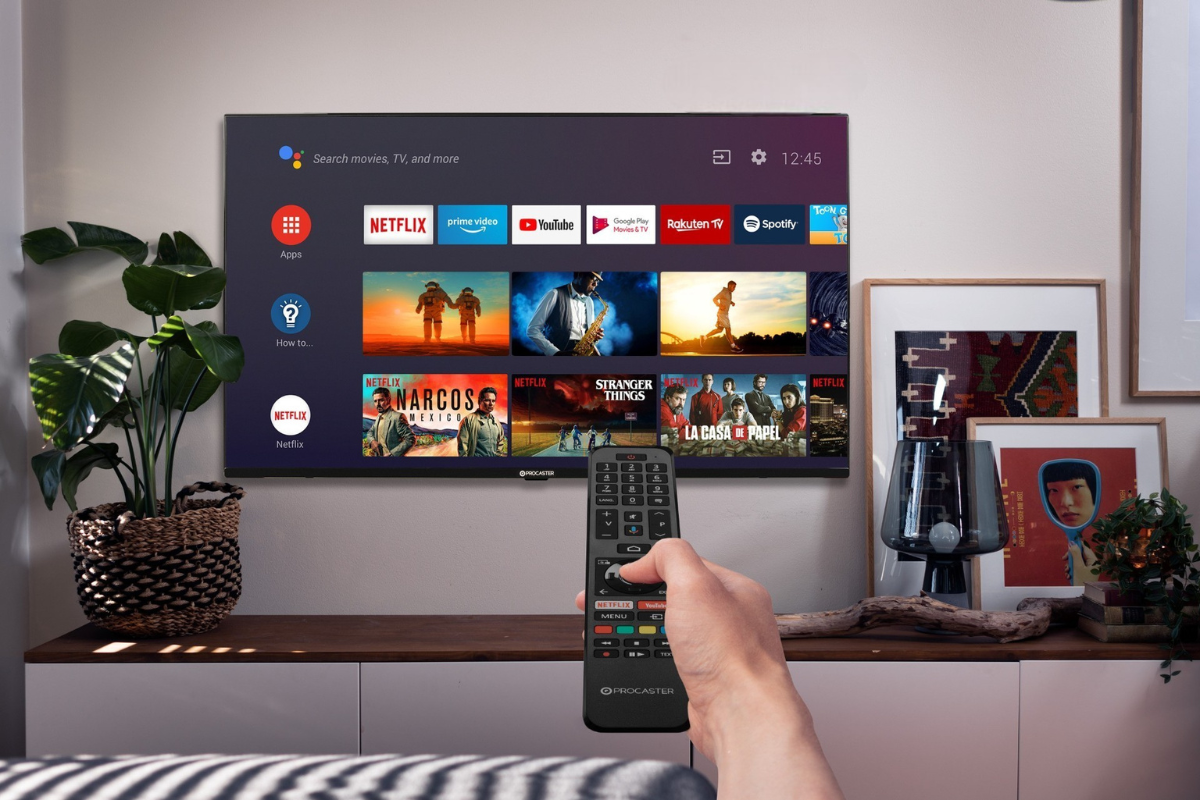
Big size for little money! In comparison, affordable 65-inch TVs – Surprisingly good picture for a reasonable price

Jatka artikkelin lukemista
Tämä artikkeli kuuluu AVPlus Extra -sisältöön. Jatka lukemista 2 krediitillä.
Login if you have purchased
Lukuoikeus artikkeliin
Tämän artikkelin lukeminen maksaa 2 krediittiä. Lukuoikeus avaa artikkelin kokonaisuudessaan ja tallentaa sen käyttäjätilillesi. Alkaen 0,39 €Most read today
Latest
Subscribe to the newsletter
Subscribe to our newsletter and stay up to date with the latest news in technology and entertainment electronics.
Survey
Quiz
Nokia phones
Related Posts
IN THE TEST: TCL 65C7L – Bright Mini LED with Wide Color Reproduction
TCL has invested heavily in Mini LED TVs in recent years and has also brought high brightness, rich local contrast, and comprehensive gaming features to clearly...
TCL Z100 and Z100-SW FlexConnect speakers – Easily almost like a real home theater
Dolby Atmos FlexConnect promises to solve one of the eternal problems of multichannel sound: the speakers don't need to be exactly in the right positions. The TCL Z100 speakers can...

IFA 2026 – these were the most interesting AV and technology innovations from Berlin
The Berlin IFA 2026 was not built around a single major announcement. TVs with RGB backlighting are making a strong entrance, soundbars are growing into full multi-channel systems, and projectors...
Sonos updates its audio system with three new models – Beam Ultra, Ace Ultra and Sonos 27 expand the lineup
Sonos has unveiled two new audio devices and a next-generation software platform in one go. The new products announced in early September include the compact Beam Ultra soundbar,...
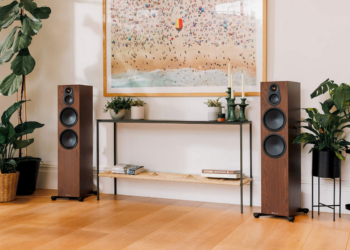
Monitor Audio revamped the Silver series after a five-year hiatus – seven 8G models for stereo and home theater
The long-lasting Silver speaker system from Monitor Audio has moved into the eighth generation. The new Silver Series 8G consists of seven models that can be used to build a traditional...
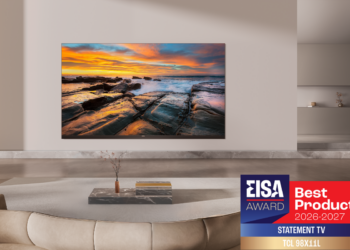
TCL awarded six EISA awards – success for televisions and home theater sound
TCL has been awarded in six categories in the EISA Awards 2026–2027 selection. The award list is heavily focused on televisions, but two home theater speakers are also included...
We've detected you might be speaking a different language. Do you want to change to:
 Suomi Suomi
  English
Is 1 credit used to open this article?
You have 0 credits available.