
Philips The Roller and The Tube – Moving sound with its own style

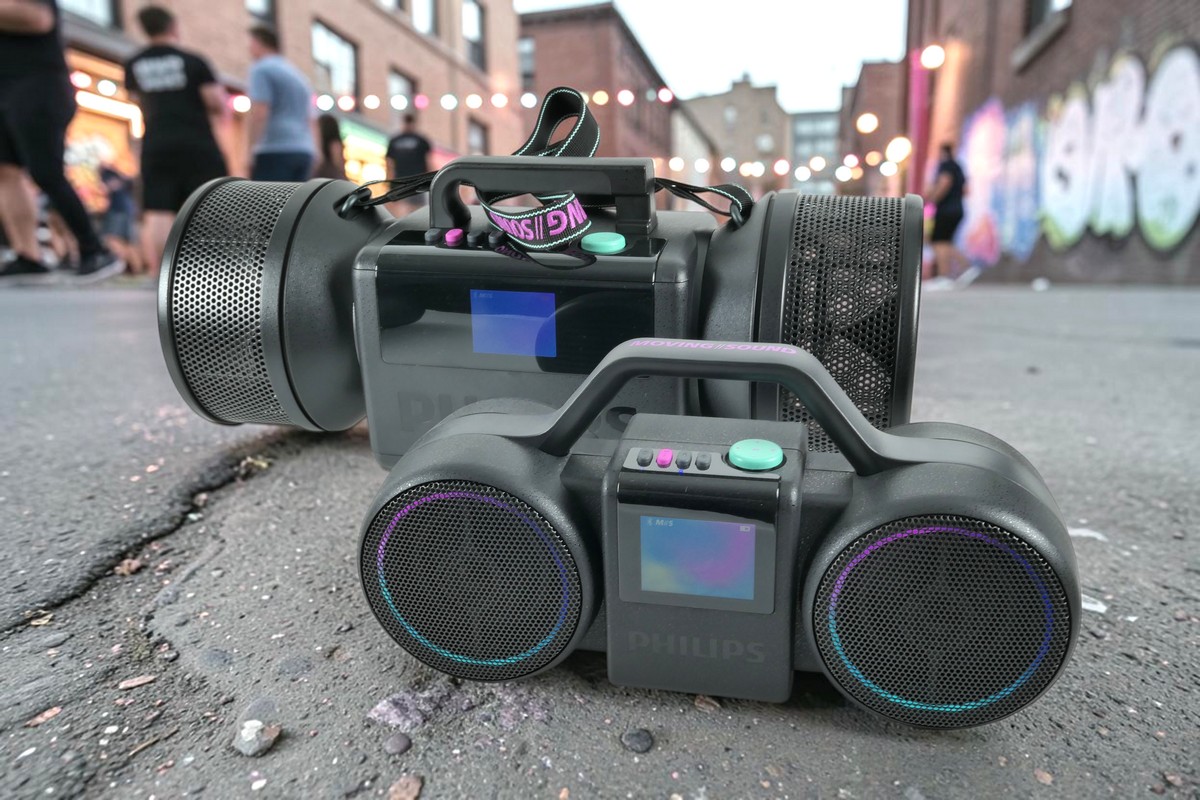
Portable battery-powered radio cassette players and, a little later, CD players disappeared for several years, almost entirely replaced by small Bluetooth speakers. However, in recent times the design language of these old devices – and even the cassette technology itself – has begun to make a comeback.
Also AVPlus recently tested two new portable cassette recorders, In which the idea of the 1980s was brought to the present day almost in its original form. Of course, with Bluetooth.
Philips, which was once probably one of the world's largest and best-selling manufacturers of portable radios and cassette players, approaches the same phenomenon from another direction. The Roller (TAMS60) and The Tube (TAMS80) look - in their own way - like Philips' old portable models, but at the same time boldly stand out with their own style. Inside they no longer have a cassette player or even a radio. Instead, they feature Bluetooth, a battery, app control, and other modern features of a wireless speaker. And, compared to most Bluetooth speakers, these also have stereo sound. Many, or rather almost all Bluetooth speakers are mono-
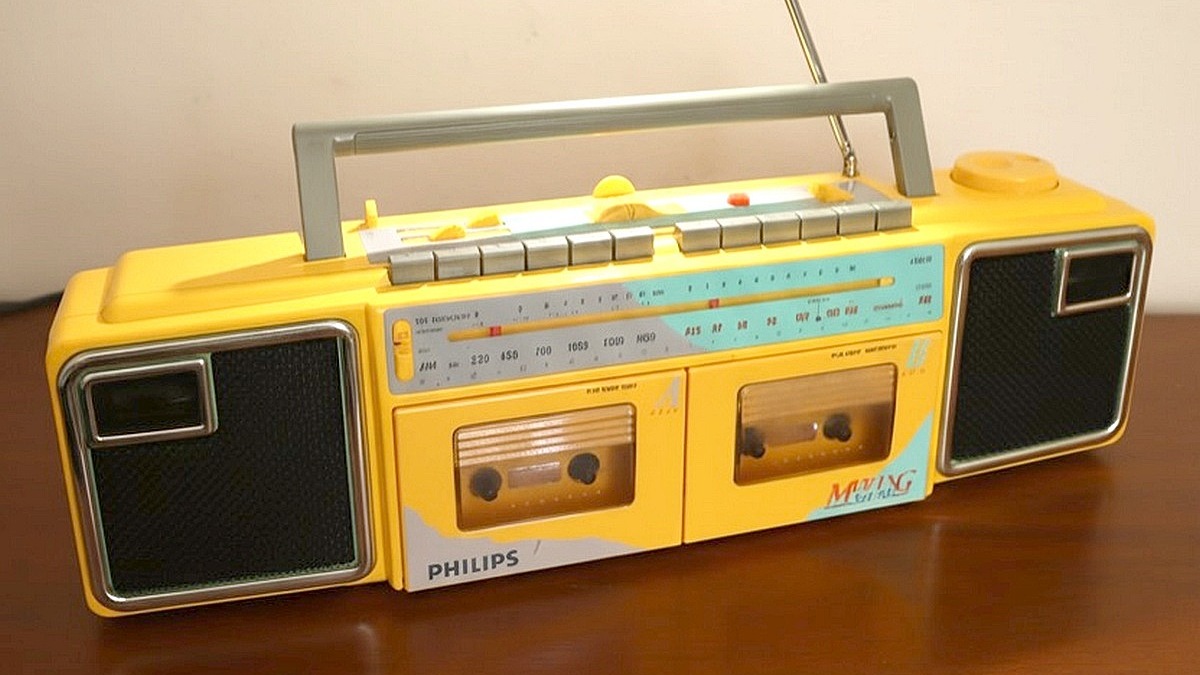
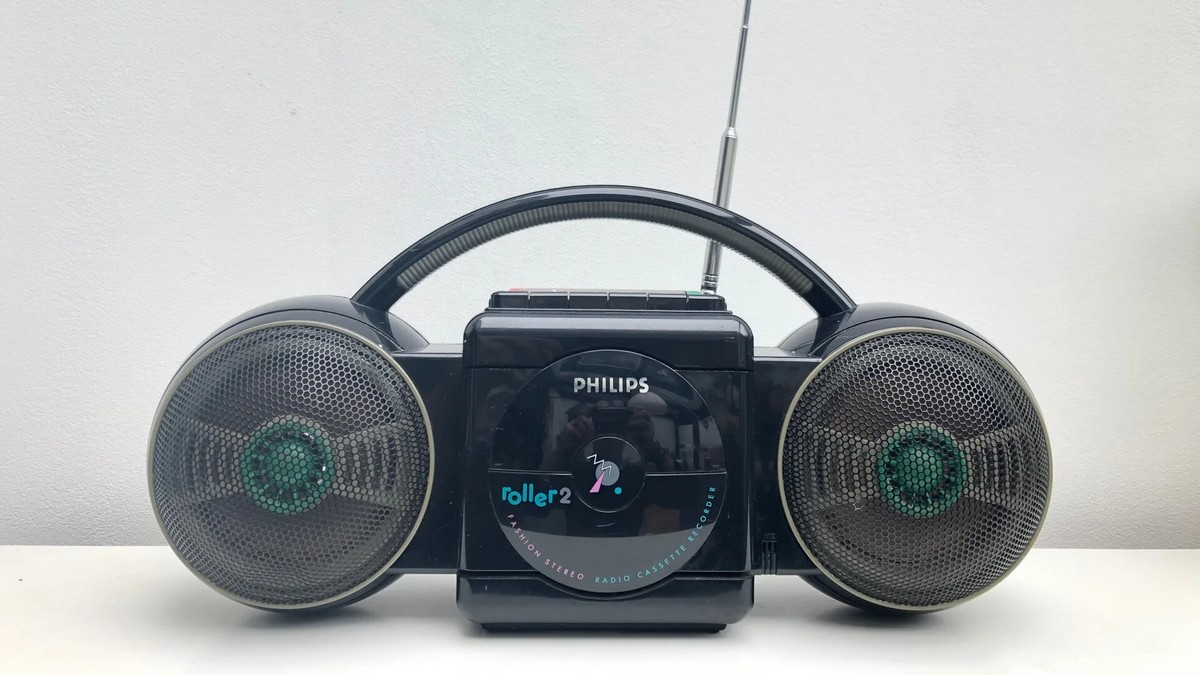
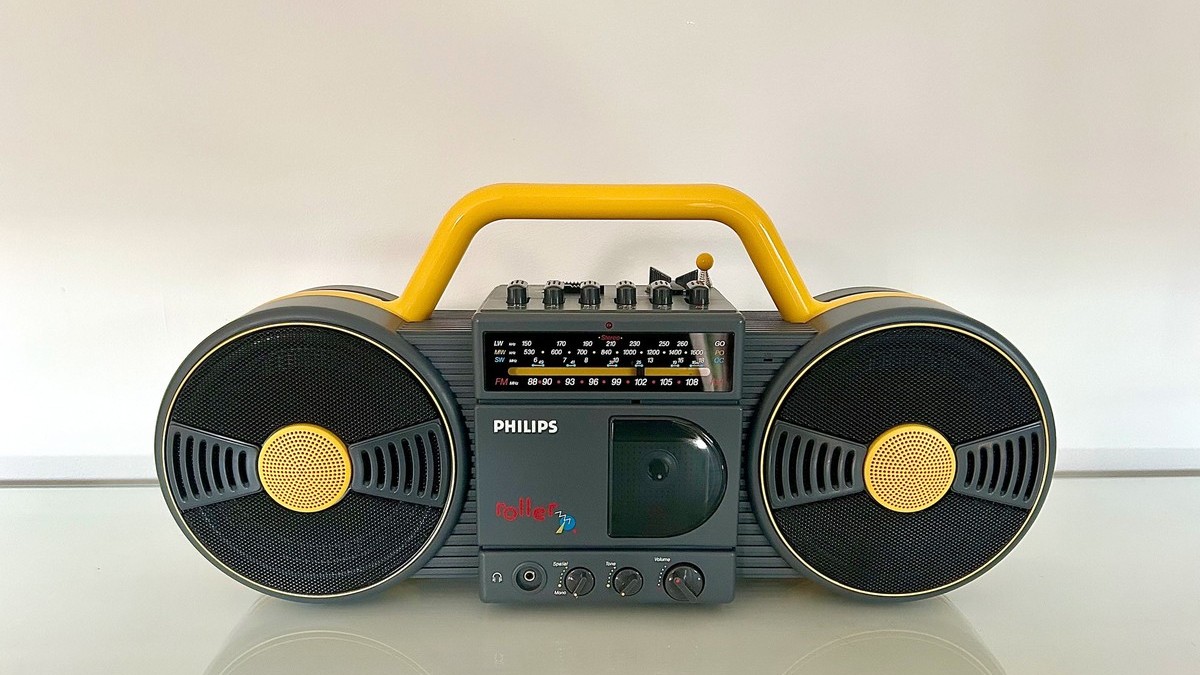
In particular, The Roller has a direct historical connection to Philips’ own 1980s products. The new model borrows its name and some of its design elements from the 1982 Roller Radio. The Tube, on the other hand, more generally draws on the boombox design from Philips’ 1980s Moving Sound series. It does not seem to have a specific old archetype, although models like the D8304 and D8089 have the same era-specific spirit. (photos below: D8089 and The Roller CD and cassette versions)
Same idea, two sizes
The devices differ significantly in their design. The relatively compact-sized The Roller resembles a more traditional portable stereo speaker. At 38 centimeters wide and weighing about 2.3 kilograms, the Roller is still truly easy to carry with you.
The Tuben’s structure is more specialized. Its large speaker elements are positioned on both sides of the chassis and directed towards the sides. In addition, there is a cone-shaped sound-shattering structure in front of the elements that spreads the sound further around it rather than directing it in just one direction. Together with the elements directed towards the sides, this solution spreads the sound in front and behind, so the effect is practically almost hemispherical.
The Tube is therefore clearly a heavier device. It is about 54 centimeters wide and weighs 6.8 kilograms. In addition to the fixed handle, it comes with a shoulder strap, but due to its weight and size, the Tube is more of a "boombox" that can be moved from place to place than a continuously portable speaker.
The overall sound is also evident in the speaker design and power output. The roller has two 89mm bass/midrange drivers, two 25mm tweeters and two passive radiators at the rear. The continuous power output of the amplifier is stated at 60 watts (2 x 30 W). The tube has, in turn, two 133mm bass drivers, two 20mm tweeters and two larger passive radiators at the rear. And the continuous power output is promised as high as 140 watts (2 x 70 W).
The Roller costs 229 euros and The Tube 449 euros.
Set-up is straightforward in both cases. Turn on the power, pair the Bluetooth with the phone, and the music starts playing. Basic functions are handled with physical buttons without an app, and the display shows essential information.
The display shows the information about the song being played and you can choose from various themes, including an animation that mimics an old C-cassette.
The lighting effects around the speaker elements are an essential part of the devices’ playful retro look.
The difference in size is especially noticeable in the models in use. The roller can be easily grabbed from the handle to go from room to room, onto the terrace, or to the car. The Tube, on the other hand, requires more space, and its 6.8 kg weight is noticeable quickly, even though the shoulder strap makes it easier to move it.
The basic functions are largely the same. Bluetooth supports multipoint connection between two devices and Auracastia. The USB-C port can be used not only for charging but also for direct audio playback, and the speaker’s battery can also be charged using the phone, for example. It should be mentioned that the batteries are easy to replace.
Both speakers are IP67-rated, meaning they are dustproof and can therefore withstand even temporary immersion in water.
The devices can also be controlled via the Philips Entertainment app, but the app is not essential for use. Through it, you can control settings for, among other things, the lights, the display, and Auracast, as well as use various pre-made soundscapes and background sounds for relaxation, concentration, or to mask the sounds of the environment. You can also control lighting effects directly from the device. In practice, however, the app’s significance remains rather limited, especially since it unfortunately lacks bass and treble controls, let alone any kind of frequency correction.
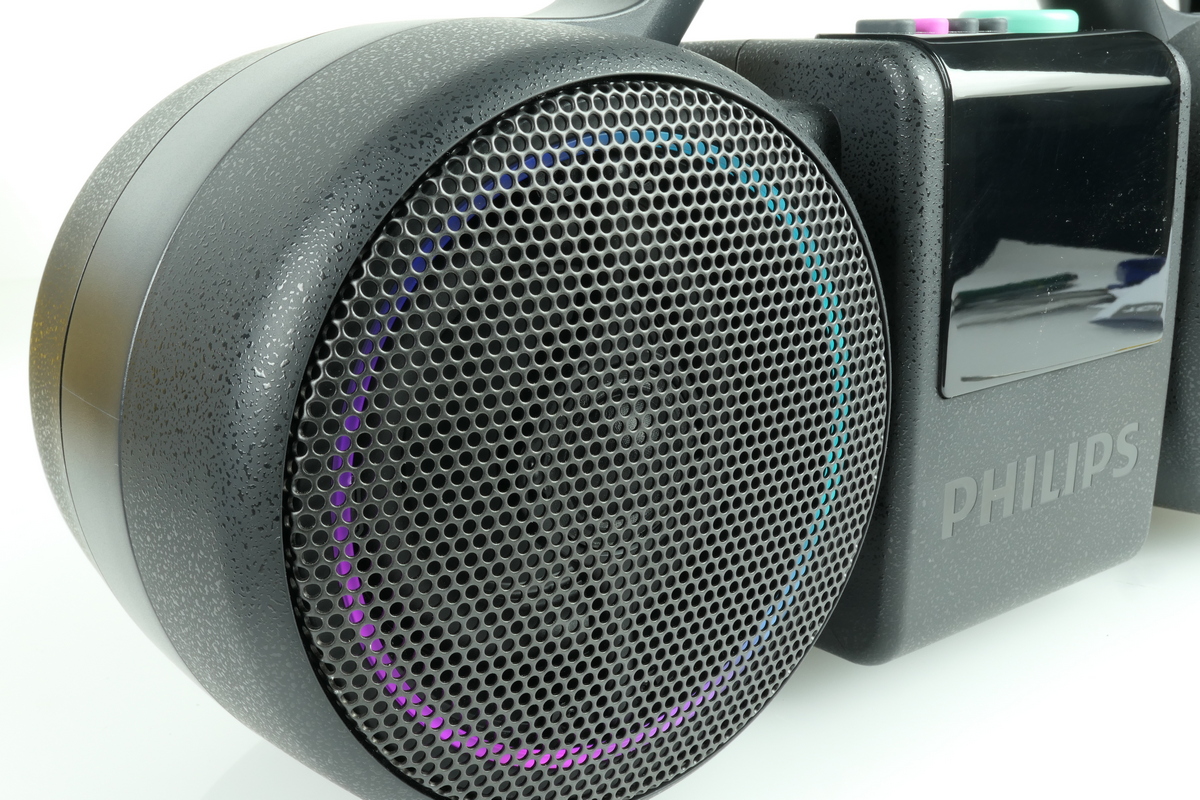
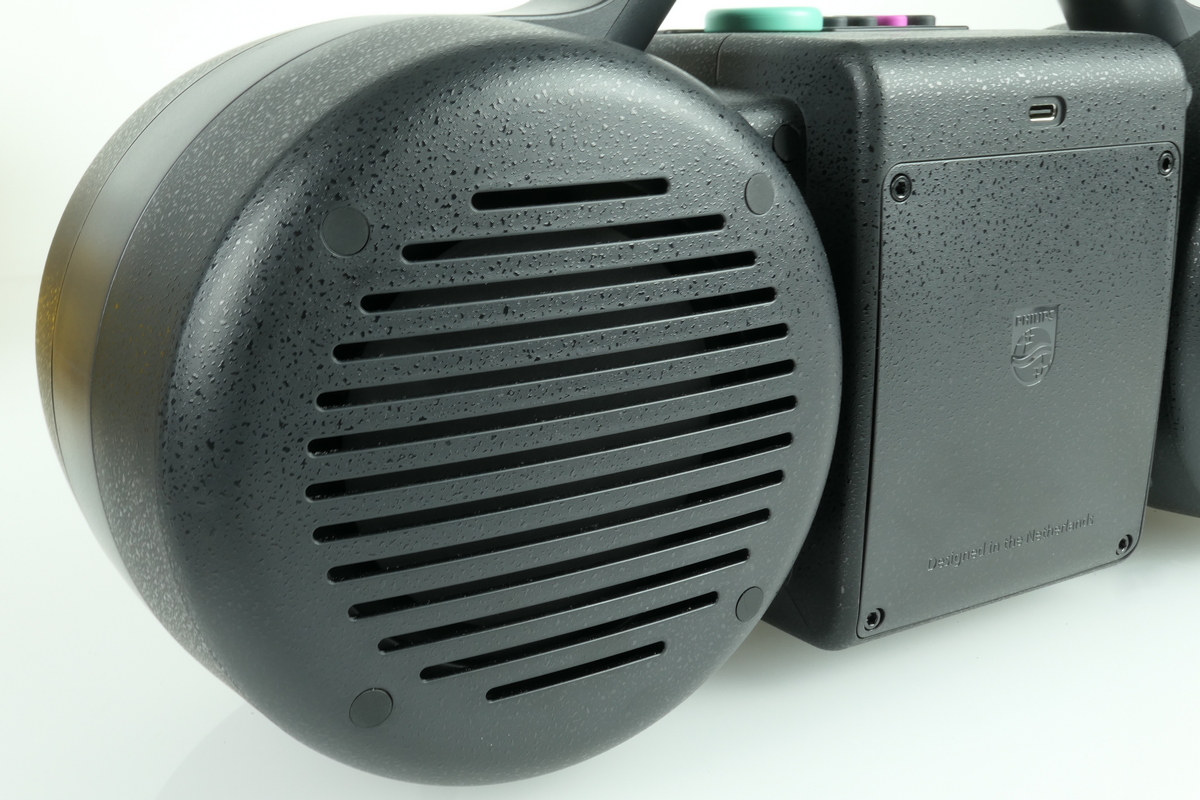
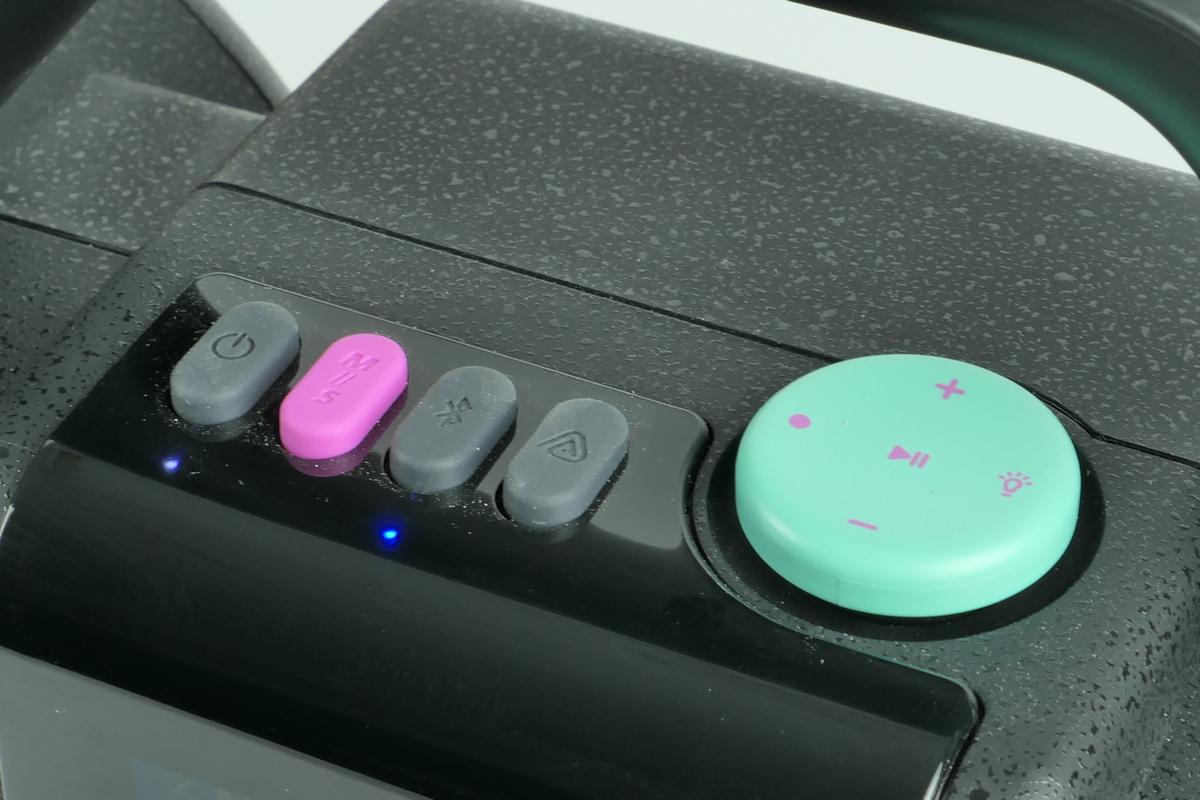
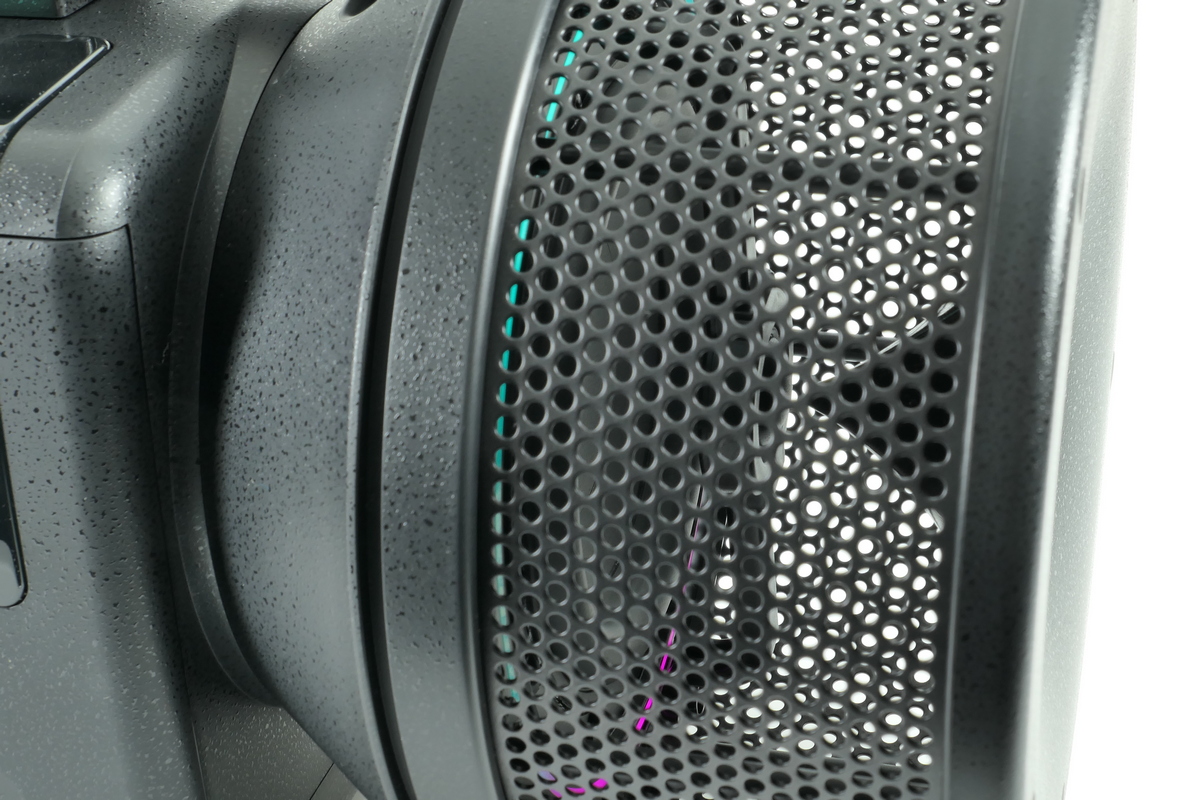
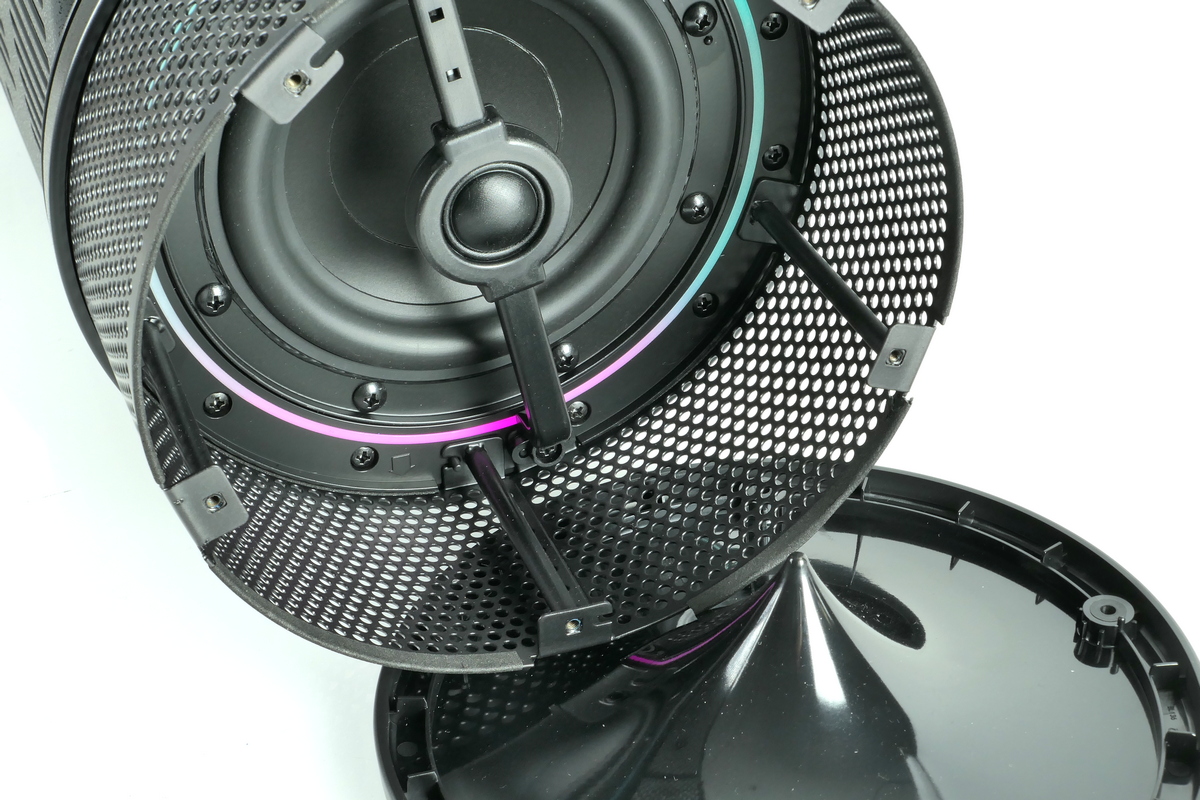
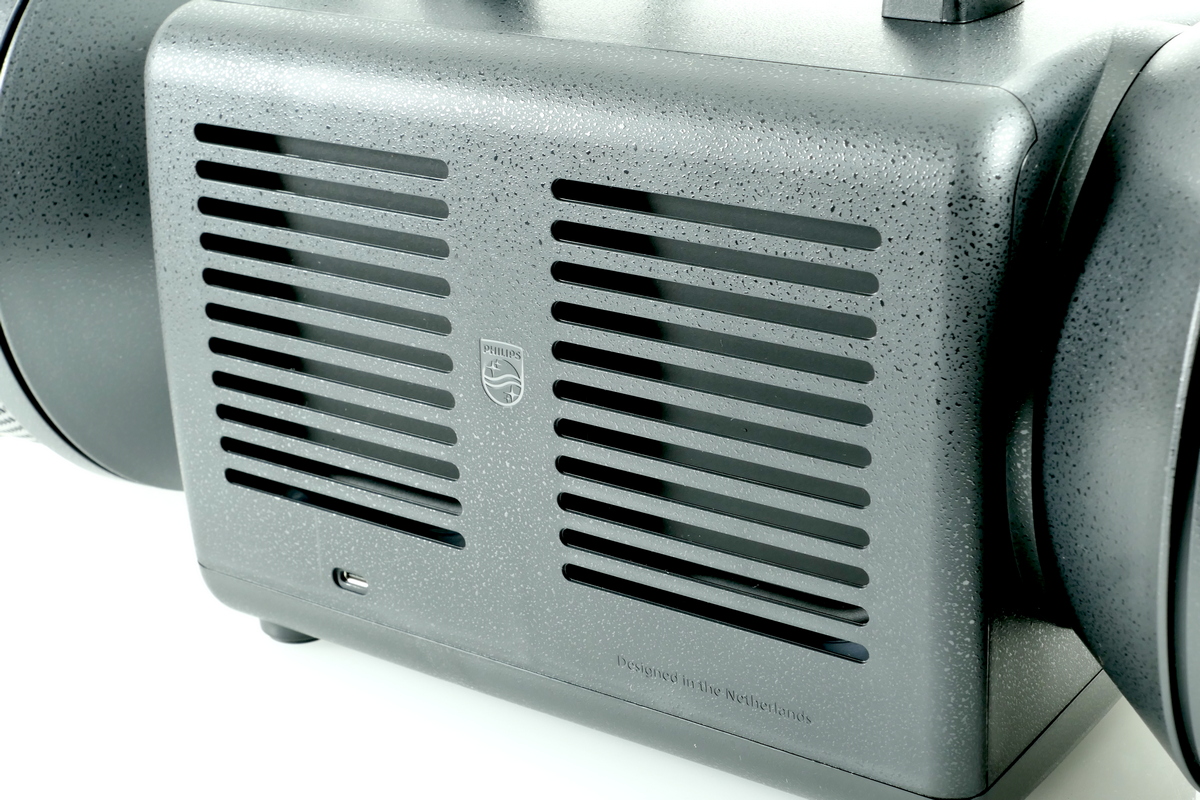
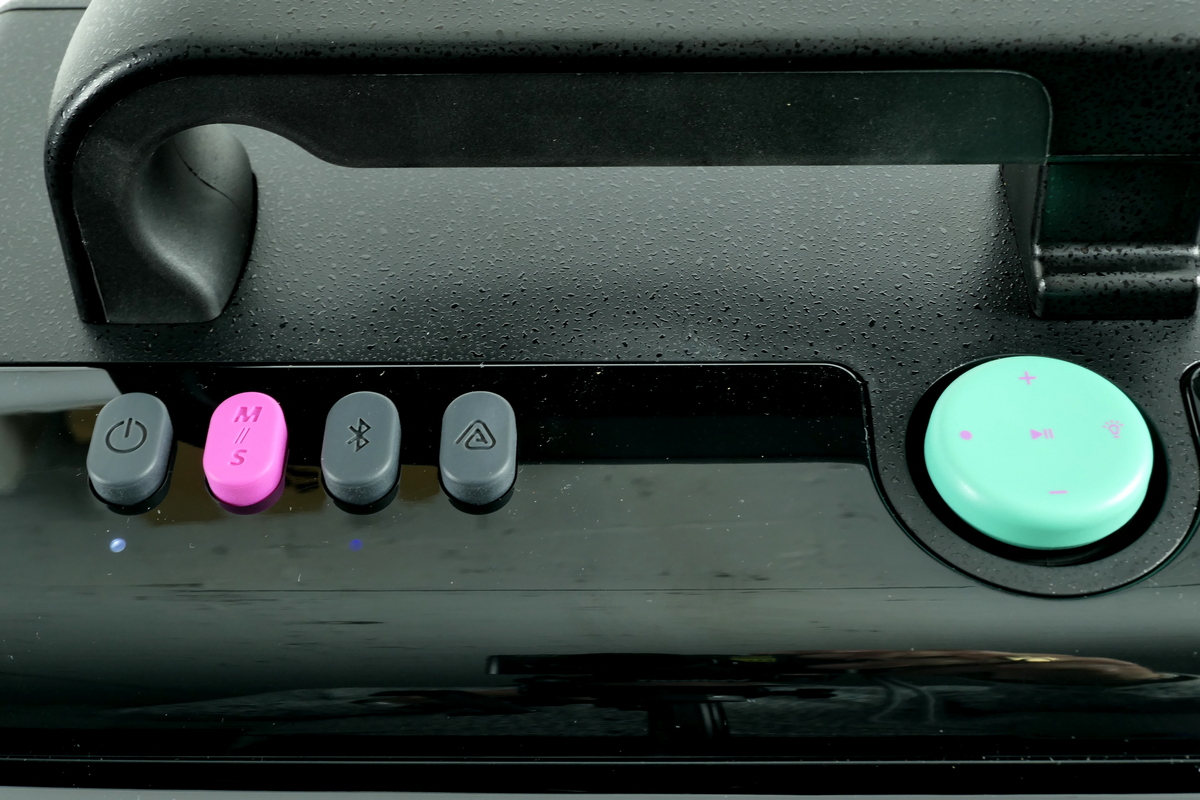
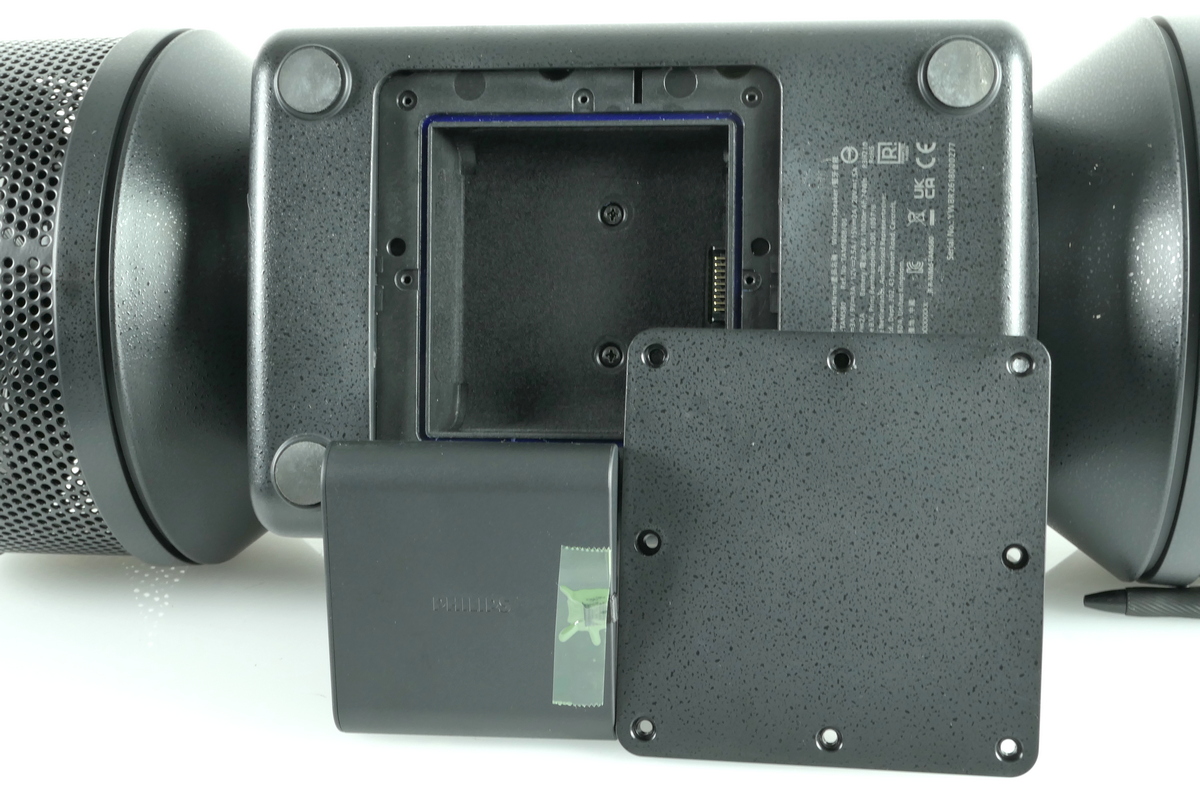
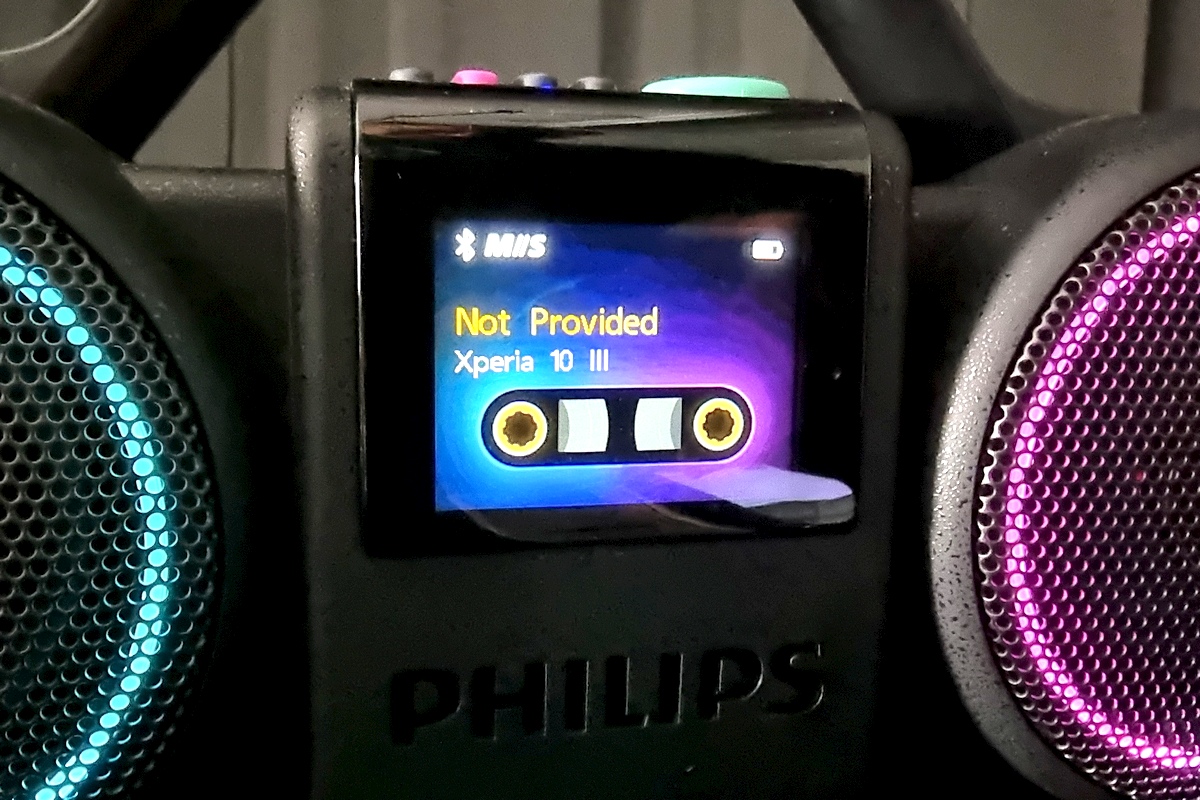
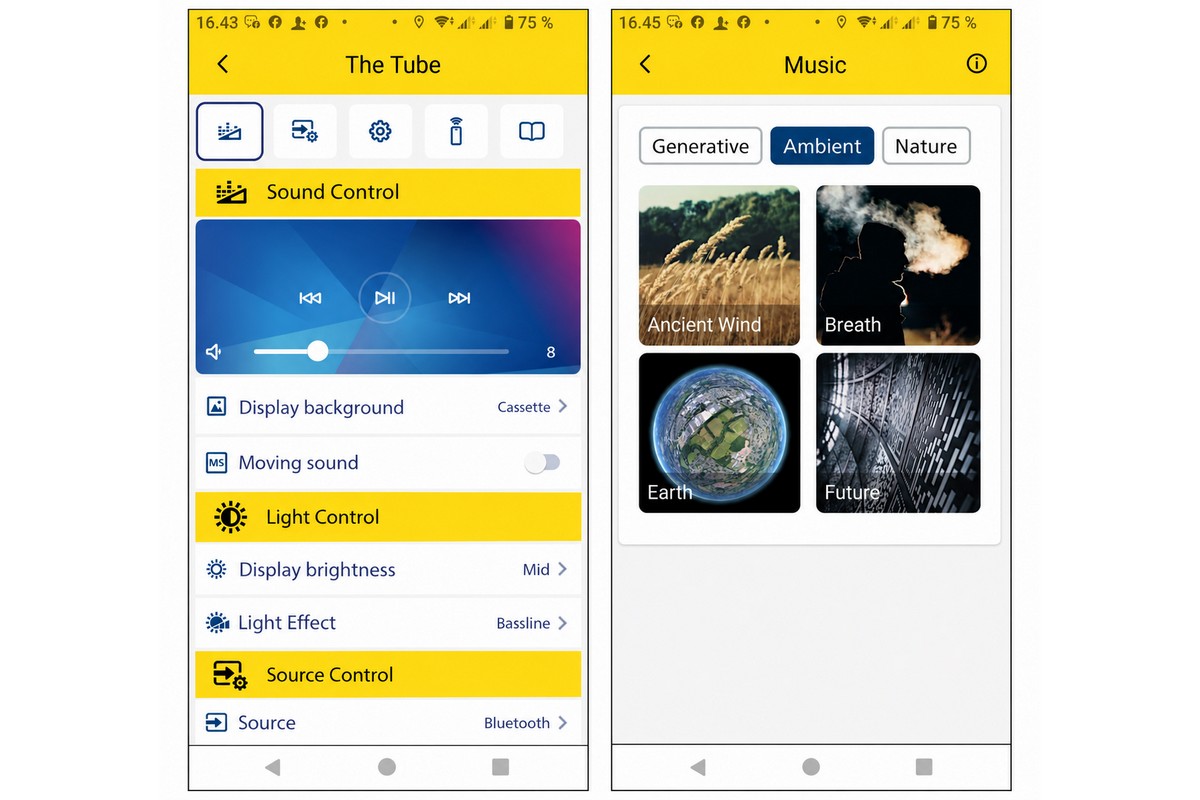
Click on the image to open the carousel
Sounds and features
Both speakers produce quite a lot of sound for their size, with The Tubest being, of course, more so than the Roller.
Both models also feature a strong bass response, which is abundant in both. The bass response is thick and provides plenty of volume with plenty of punch, but it cannot be said to be particularly precise or tight. There are times when the impression is created that the low frequencies are being tried to be extracted a little more than the speakers’ size and structure naturally allow.
As the volume is increased, the bass sound also begins to be noticeably cut off. In practice, this is part of the compression of the bass sound: the level of the low frequencies no longer increases in the same proportion with the rest of the sound; instead, the bass begins to seem to fall behind. This is understandable as a protective measure for the speaker in such portable speakers with DSP control, but at the same time, the nature of the sound changes as the volume increases. This phenomenon is especially pronounced when using the Moving Sound mode.
Moving Sound therefore emphasizes both the bass and the treble and makes the bass sound fuller and more energetic from the upper range. However, it is not necessarily a better option. In our opinion, the sound is more balanced without it, especially in The Tube, where there is already plenty of bass. On the other hand, for some songs and music styles, this kind of emphasized presentation style clearly suits them better than for others. It ultimately comes down to personal taste.
In the listening process, a somewhat amusing observation emerged: the dance music of the 1980s and 1990s often seemed to work particularly well on these speakers, even better than many modernly produced songs. The explanation may, of course, lie more in the production methods, dynamics, and personal associations of the music itself than in the speakers themselves.
"However, I'd be happy to listen to music - and for a little longer too.".
The overall system works well in both of its intended uses. The sound from both speakers is pleasant and easy to approach, although of course there are shortcomings in the playback balance in this regard as a music enthusiast. However, I enjoy listening to the music - and for a little longer too.
One of the most interesting features of the Tuben is its ability to spread sound around it. The speaker solution radiates the sound quite evenly both in front and in the back, so the effect is almost 360 degrees wide. Well, at least almost. The sound spreads quite evenly both in front and in the back.
In The Roller, there isn't as much of the same space, and the sound is also clearly smaller in scale anyway, but that's certainly true of the device itself. Despite this, the overall sound of The Roller is pleasant and surprisingly rich for its size class.
One thing, however, is puzzling: why aren’t there bass and treble controls on the speakers? The speakers clearly use DSP-based sound processing and also include the separate Moving Sound mode, but the user is not given the opportunity to even make simple tone adjustments.
For this reason, the benefits of the Philips Entertainment app are also quite limited, as already mentioned earlier. The app provides basic functionality management and settings related to Auracast, but there is hardly any fine-tuning of the audio or other functions that provide clear added value.
Auracast is a Bluetooth LE Audio-based feature that allows audio to be transmitted from a single source to multiple compatible receivers simultaneously. In practice, it can, for example, share the same music across multiple Auracast-compatible speakers without the traditional pairing process. Philipses can act as both Auracast transmitters and receivers, so they can also be used as part of a wider wireless speaker system if needed. In that case, it is also necessary
The lighting effects around the speaker elements are a fun addition and fit in nicely with the otherwise playful retro feel of the devices. However, due to the structure, the lights are partially hidden within the Tubessa. In this case, the lights could have been placed more densely within the device. The lighting effects in The Roller, on the other hand, seemed somehow "slower" and more vague than those in the Tubessa. In the dark mode, the lights nevertheless create a quite pleasant "disco atmosphere".
VIDEO OF LIGHTS
Succeeds, but falls short of the promise
Philips promises up to 24 hours of playtime for both models. However, the battery life is significantly reduced when Moving Sound is activated and the volume is turned up higher, and the lighting effects are on. In this case, the battery life can be reduced to less than 10 hours. This is not surprising in itself, as high volume, emphasized bass and lighting effects all significantly increase power consumption.
By dropping the volume and turning off the lights, you can easily get over 20 hours of playing time.
Most read today
Latest
Subscribe to the newsletter
Subscribe to our newsletter and stay up to date with the latest news in technology and entertainment electronics.
Survey
Quiz
Nokia phones
Related Posts
TESTISSÄ KAIKU WAVE wireless noise cancelling headphones – a Finnish challenger in the tough premium category
The Kaiku Wave is a wireless noise-canceling headset costing 449 euros, combining partly Finnish design, Finnish wood, restrained design, long battery life and...
Cayin Jazz 70 – genuine tube sound and style at a reasonable price
The tube amplifier doesn't need to cost several thousand euros. The new Jazz 70 from Cayin brings classic EL34 tube technology, visible tubes, analog meters, and hand-crafted controls...
The use of artificial intelligence in music is growing rapidly, but there is still a lot to be learned about its use – at least in Finland.
Artificial music evokes significantly more reservations in Finns than the use of artificial intelligence in general. Artificial intelligence is rapidly becoming a part of everyday life, but the output it produces...
The new arrival of CDs is also reflected in devices – the Argon Audio CD1 is a new CD player priced at 399 euros
The arrival of vinyl records has been ongoing for a long time, and now a similar trend is also evident in CD records. Argon Audio responds to this interest with the new CD1 player,...
Audio-Technica ATH-AL5NC combines an open design and wireless connectivity – battery life up to 75 hours
Audio-Technica expands its range of open headphones with the ATH-AL5NC model, which is the manufacturer's first wireless open headphone. In addition to Bluetooth connectivity, it also features LDAC, noise reduction, and sound leakage...
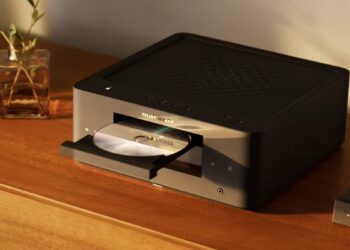
The Marantz MCR 60n combines CD, vinyl, streaming, and TV audio into one device
Marantz has introduced the new MCR 60 multi-functional device, which continues the manufacturer's long series of compact Melody systems. A web player, CD player, and...
 Suomi
Suomi  English