
Madonna returns to the top – new Confessions II album is a triumphant return to the dance floor

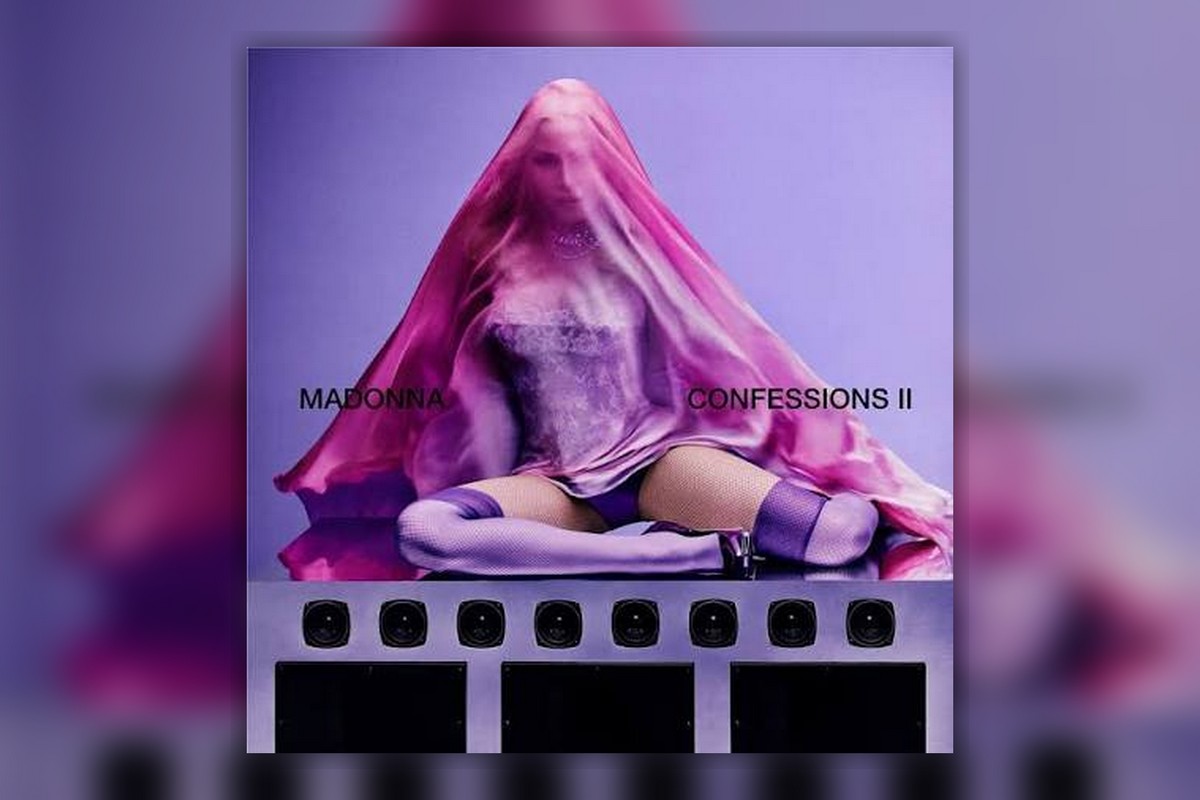
Madonnan uusi Confessions II on saanut poikkeuksellisen myönteisen vastaanoton. Kriitikot ovat kuvanneet sitä hänen vahvimmaksi, yhtenäisimmäksi ja elinvoimaisimmaksi albumikseen kahteen vuosikymmeneen. No eri mieltä saa toki olla…
Heinäkuun alussa julkaistu albumi on jatkoa vuoden 2005 Confessions on a Dance Floorille, joka sisälsi muun muassa jättihitin Hung Up. Madonna on palannut myös saman tuottajan, Stuart Pricen, kanssa elektronisen tanssimusiikin, housen ja diskon pariin.
Paluu ei kuitenkaan tarkoita alkuperäisen levyn suoraa uusintaa. Confessions II käy läpi tanssimusiikin historiaa, mutta samalla myös Madonnan omaa elämää ja uraa. Levyllä viitataan hänen varhaisiin vuosiinsa New Yorkin klubeilla, perhesuhteisiin, menetyksiin ja vanhenemiseen maailmassa, jossa poptähdiltä odotetaan jatkuvaa uusiutumista.
Hyviä arvioita…
Metacriticin kokoamien arvioiden perusteella albumi on saanut yli 80 pisteen keskiarvon. The Guardian antoi levylle neljä tähteä ja arvioi sen Madonnan parhaaksi albumiksi sitten ensimmäisen Confessions on a Dance Floorin. Clash puolestaan kuvasi sitä hänen energisimmäksi ja vastustamattomimmaksi levyksi yli vuosikymmeneen.
Myös Helsingin Sanomien neljän tähden arviossa paluuta pidetään onnistuneena. Arvion mukaan Madonna esiintyy levyllä tanssilattian itsevarmana mutta samalla haavoittuvana johtohahmona. Erityisesti albumin loppuosa tuo mieleen hänen 1990-luvun keskeiset levynsä Erotican ja Ray of Lightin.
Allekirjoittanut ei kuitenkaan oikein innostunut tästä. Jos sanotaan suoraan, niin kuulostaa hieman jopa tusinatuotannolta. Liekkö kriitikoilla puuttunut kanttia…? No makuasioita, mutta jos vertaa tätä Madonnan kovimpiin hitteihin, niin samaa sykettä ei mielestäni ole.
Tanssia, nostalgiaa ja henkilökohtaisia aiheita
Albumin suoraviivaisimpia klubikappaleita on Danceteria, joka on nimetty Madonnan uran alkuvaiheisiin liittyvän newyorkilaisen yökerhon mukaan. Kappaleessa on samaa pakottavaa tanssienergiaa kuin hänen 1980-luvun tuotannossaan.
Levyn loppupuolella tunnelma muuttuu. Fragile käsittelee Madonnan kuollutta veljeä Christopher Cicconea, ja The Test on tehty yhdessä hänen tyttärensä Lola Leonin kanssa. Näissä kappaleissa Madonna kuulostaa läheisemmältä ja henkilökohtaisemmalta kuin pitkään aikaan.
Arvioissa toistuu silti yksi varaus: levyltä ei välttämättä löydy Hung Upin kaltaista välittömästi tunnistettavaa jättihittiä. Myös 16 kappaleen kokonaisuutta on pidetty hieman liian pitkänä, ja osa kriitikoista on huomauttanut Madonnan kuiskailevan laulutyylin muuttuvan paikoin maneeriksi. The Timesin mukaan albumilla on muutama toisteinen tanssikappale liikaa, vaikka parhaat hetket ovat sekä vahvoja että yllättävän henkilökohtaisia.
Kokonaisuutena vastaanotto on silti selvä: Madonna ei tällä kertaa yritä kuulostaa nuoremmilta artisteilta, vaan ottaa takaisin musiikillisen alueen, jota hän oli itse rakentamassa.
Kunnioitettava historia ja popin jatkuva uudistaja
Madonna nousi New Yorkin tanssiklubeilta maailmanlaajuiseksi tähdeksi 1980-luvun alussa kappaleilla kuten Holiday, Borderline ja Lucky Star. Vuoden 1984 Like a Virgin teki hänestä popkulttuurin keskeisen hahmon.
Hänen vaikutuksensa ei perustunut vain kappaleisiin. Madonna yhdisti musiikin, videot, muodin, seksuaalisuuden ja tietoisesti rakennetun julkisuuskuvan tavalla, joka muutti käsitystä modernista poptähdestä.
Ura on sisältänyt useita selvästi toisistaan poikkeavia vaiheita. Like a Prayer laajensi hänen ilmaisuaan henkilökohtaisempaan suuntaan, Erotica vei sen houseen ja tummempaan klubimusiikkiin, ja Ray of Light yhdisti elektronisen tuotannon hengellisiin ja sisäänpäin kääntyneisiin aiheisiin.
Juuri äänenlaadun kannalta Madonnan tuotannossa on ollut poikkeuksellisen hienoja kausia. Tanssimusiikin ystävän näkökulmasta esimerkiksi Erotica, Ray of Light, Music ja ensimmäinen Confessions on a Dance Floor kuuluvat oman aikansa vaikuttavimmin tuotettuihin popalbumeihin. Niiden soundi on suuri, kerroksellinen ja rytmisesti tarkka, mutta samalla jokaisella levyllä selvästi omanlaisensa.
2010-luvulla MDNA, Rebel Heart ja Madame X saivat ristiriitaisemman vastaanoton. Niissä oli yksittäisiä vahvoja kappaleita ja rohkeitakin ideoita, mutta kokonaisuuksia pidettiin usein hajanaisina. Confessions II kuulostaa tämän jälkeen tietoiselta paluulta siihen, minkä Madonna hallitsee parhaiten: tanssimusiikin, vahvan visuaalisen identiteetin ja henkilökohtaisten aiheiden yhdistämiseen.
Madonnan TOP 10
Lista on väistämättä osittain henkilökohtainen, mutta olkoot. Myös kansainvälisten kriitikkolistojen kärjessä toistuvat erityisesti Like a Prayer, Into the Groove, Vogue, Frozen ja Ray of Light.
1. Into the Groove: Pelkästään tanssimusiikkina lähes täydellinen kappale: yksinkertainen, hypnoottinen ja edelleen erittäin tehokas.
2. Like a Prayer: Gospelia, rockia ja poppia yhdistävä kappale on sekä musiikillisesti että kulttuurisesti yksi Madonnan uran keskeisistä teoksista.
3. Vogue: Houseklassikko, joka toi New Yorkin ballroom-kulttuurin osaksi maailmanlaajuista valtavirtapoppia.
4. Frozen: Tumma, ilmava ja poikkeuksellisen hienosti tuotettu kappale käynnisti Ray of Light -kauden.
5. Ray of Light: Nopea ja euforinen elektronisen popin kappale, jossa Madonnan ääni ja William Orbitin tuotanto toimivat saumattomasti yhteen.
6. Hung Up: ABBA-sampleen rakennettu tanssihitti osoitti vuonna 2005, että Madonna pystyi edelleen hallitsemaan sekä klubeja että poplistoja.
7. Live to Tell: Hillitty ja painava balladi, joka osoitti jo 1980-luvulla Madonnan kykenevän paljon suoraviivaista tanssipoppia laajempaan ilmaisuun.
8. Deeper and Deeper: Yksi Erotica-albumin huippukohdista. House, disco ja vapautumisen tunne yhdistyvät poikkeuksellisen toimivaksi kokonaisuudeksi.
9. Music: Minimalistinen ja omaperäinen elektroninen klubihitti, joka ei kuulostanut vuonna 2000 juuri miltään muulta valtavirran popmusiikilta.
10. Holiday: Madonnan ensimmäisiä suuria hittejä ja edelleen yksi hänen kestävimmistä tanssikappaleistaan.
Confessions II ei ehkä sisällä yhtä selvää uutta klassikkoa kuin Like a Prayer, Vogue tai Hung Up. Albumina se näyttää kuitenkin palauttaneen Madonnalle jotain tärkeämpää: oman äänensä ja paikkansa tanssilattian kiistattomana kuningattarena.
Survey
Videoextra
The Madonna Timeline: Every Scandal, Every Hit, Every Reinvention
Most read today
Latest
Subscribe to the newsletter
Subscribe to our newsletter and stay up to date with the latest news in technology and entertainment electronics.
Survey
Quiz
Nokia phones
Related Posts

The use of artificial intelligence in music is growing rapidly, but there is still a lot to be learned about its use – at least in Finland.
Artificial music evokes significantly more reservations in Finns than the use of artificial intelligence in general. Artificial intelligence is rapidly becoming a part of everyday life, but the output it produces...
Age rating labels for audiovisual content in Finland: The role of KAVIn and the PEGI labels for games
Where do age limits come from for home theater? When you choose a movie, series, or game for the TV in the living room, an age limit and content symbols often appear. They tell...
When sound gained a second dimension – the history of stereo in video
Stereo sound is nowadays such an obvious part of listening to music that it hardly even gets thought about. Two channels, left and right,...

Spotifyn Uutuuskattaus muuttuu – musiikkisuosituksia voi nyt rajata itse
Uutuuskattauksen sisältöön voidaan vaikuttaa aiempaa enemmän Spotifyn uuden musiikin löytämiseen tarkoitettua Uutuuskattaus-soittolistaa eli Release Radaria uudistetaan. Viikoittain päivittyvän listan yhteyteen...
HIFI HISTORY: Paul W. Klipsch – the center of everything – 80 years later
Klipsch is one of the most recognizable loudspeaker brands in the history of hi-fi – especially in the United States, but also in Europe. The brand was founded by Paul W. Klipsch, an engineer who...
Valikoituja levyarvioita 6/2026
Uutta kuunneltavaa kesäkuulle? Tällä kertaa levyarvioiden koosteessa liikutaan jazzin, soulin, etnofuusion, elektronisen musiikin, indiepopin ja elokuvamusiikin maailmoissa. Mukana on sekä...
 Suomi
Suomi  English