
HIFI HISTORY: Paul W. Klipsch – the center of everything – 80 years later

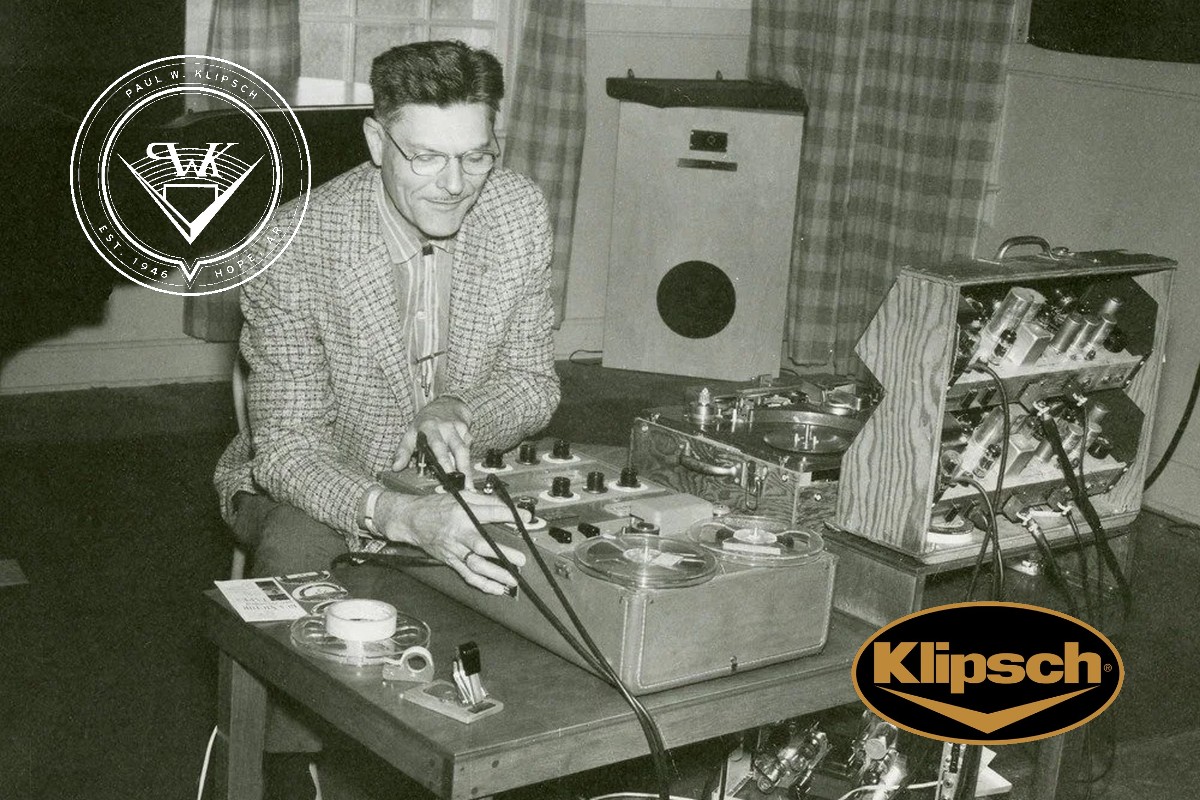
Klipsch on yksi hifihistorian tunnistettavimmista kaiutinmerkeistä – etenkin Yhdysvalloissa, mutta myös Euroopassa. Merkin taustalla oli Paul W. Klipsch, insinööri, jota kiinnostivat radiotekniikka, akustiikka ja kaiuttimen hyötysuhde. Hänen tavoitteensa oli kaiutin, joka pystyisi tuottamaan elävän musiikin mittakaavan mahdollisimman pienellä säröllä ja tehokkaasti käytetyllä vahvistinteholla. Tästä ajattelusta syntyi Klipschorn, vuonna 1946 tuotantoon tullut nurkkaan sijoitettava torvikaiutin, jonka vaikutus näkyy Klipschin mallistossa edelleen näin 80 vuoden jälkeenkin.
Klipschin tarina alkaa Paul Wilbur Klipschistä, joka syntyi vuonna 1904 Elkhartissa, Indianassa, mutta kasvoi El Pasossa, Texasissa. Nuorena hän rakensi radioita, harrasti radiotekniikkaa, kokeili kuulokkeita ja kiinnostui äänentoistosta käytännön kautta. Tämä tausta näkyi myöhemmin hänen kaiutinsuunnittelussaan. Kaiutin ei ollut hänelle ensisijaisesti huonekalu tai muotoilutuote, vaan sähköakustinen järjestelmä, jonka toimintaa piti voida perustella mittauksilla ja akustiikan periaatteilla.
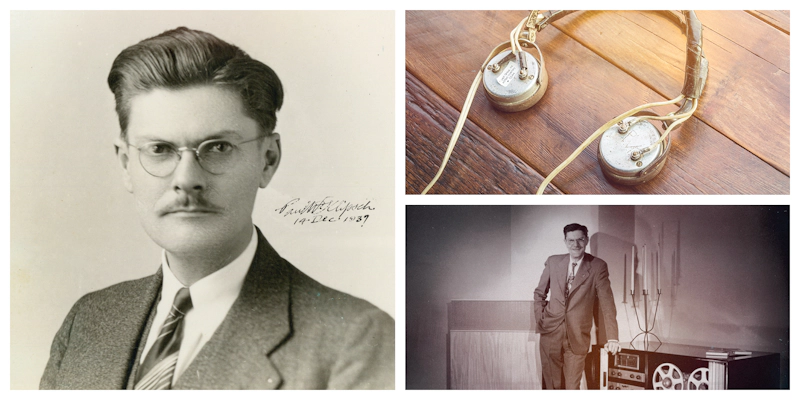
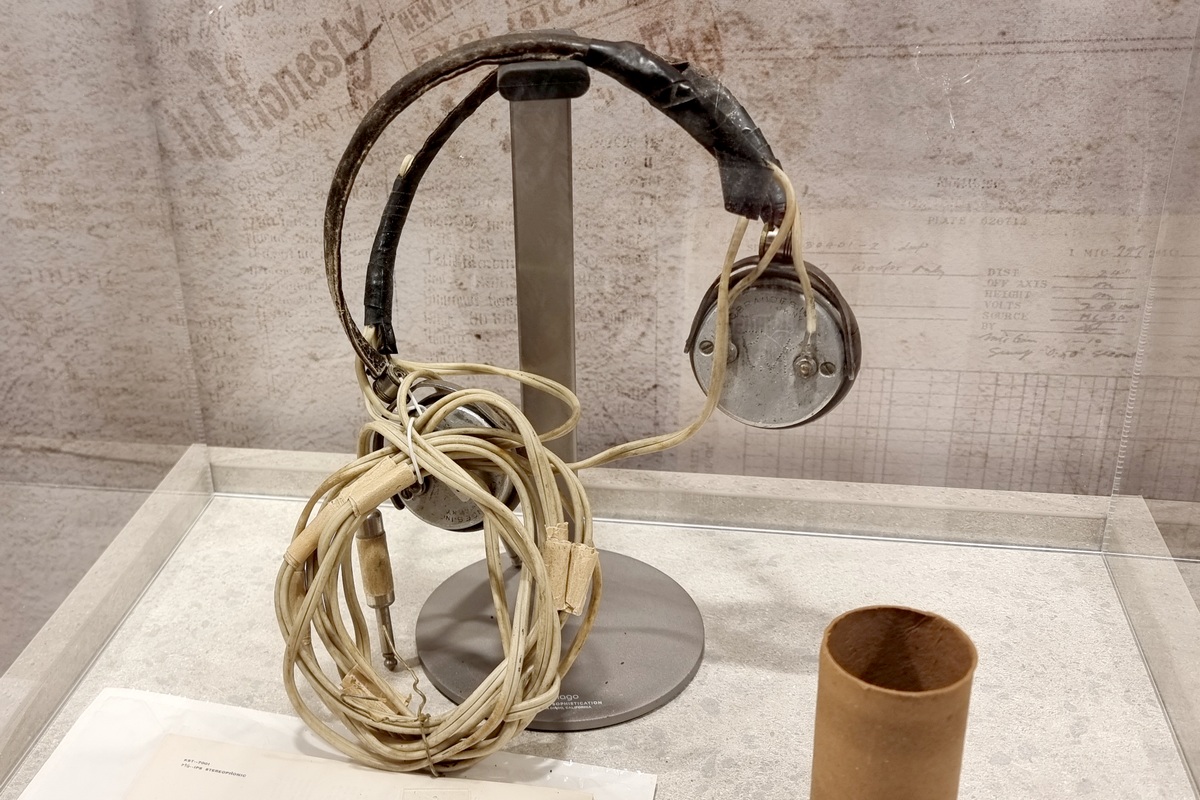
Paul W. Klipschin varhaiset kokeilut liittyivät radiotekniikkaan ja äänen toistamiseen. Jo 15-vuotiaana hän teki akustisen kokeen pienellä kaiuttimella, Brandes-kuulokkeilla ja pahviputkella, ja radioamatöörilaitteet kuuluivat samaan tekniseen taustaan.
Torven idea syntyi “vahingossa”
Klipschin keskeinen oivallus liittyi torvikaiuttimen hyötysuhteeseen. Torvi sovittaa kaiutinelementin liikkeen tehokkaammin ympäröivään ilmaan, jolloin samalla sähköteholla voidaan tuottaa enemmän ääntä. Käytännössä tämä tarkoitti suurempaa herkkyyttä, pienempää tarvetta suurelle vahvistinteholle ja elementin vähäisempää liikettä. Klipschin ajattelussa tämä liittyi myös pienempään säröön.
1930-luku oli Klipschille eräänlaista etsikkoaikaa. Hän ei ollut vielä kaiutinvalmistaja, vaan sähköinsinööri, joka keräsi kokemusta teollisuudesta, radiotekniikasta ja akustiikasta. Hän työskenteli muun muassa General Electricillä ja myöhemmin Chilessä Anglo-Chilean Consolidated Nitrate Corporationin palveluksessa. Chilessä hänen kiinnostuksensa torvikaiuttimiin vahvistui käytännön kuuntelukokemuksen kautta. Klipsch vertasi omaa torvikuormitettua radiokaiutintaan ystävänsä kartiokaiuttimeen ja huomasi, että torvi pystyi tuottamaan enemmän ääntä samalla teholla. Aikana, jolloin vahvistintehoa oli vähän, kaiuttimen hyötysuhde ei ollut sivuseikka vaan keskeinen osa koko äänentoistojärjestelmää.
Myöhemmin Stanfordin yliopistossa Klipschin ajattelu sai toisen olennaisen osan. Hän kuuli huomautuksen, että kaiuttimet soivat paremmin huoneen nurkassa. Klipsch ei suhtautunut tähän vain sijoitusvinkkinä, vaan akustisena mahdollisuutena. Jos huoneen seinät ja nurkka vaikuttavat kaiuttimen toimintaan, niitä voisi käyttää osana kaiuttimen rakennetta.
Näistä havainnoista alkoi muodostua Klipschornin perusidea: nurkkaan sijoitettava kaiutin, jossa huone ei ole ongelma vaan osa bassotorvea. Ratkaisu ei jäänyt vain yleiseksi ajatukseksi, vaan eteni myös patenttitasolle. Klipschin varhainen US 2,310,243, “Horn for loud-speaker”, jätettiin vuonna 1940 ja myönnettiin vuonna 1943. Se koski taitettua torvirakennetta, jossa torven akustinen pituus saatiin mahtumaan lyhyempään fyysiseen rakenteeseen. Tämä oli olennaista, koska kotikäyttöön soveltuvan bassotorven suurin ongelma oli koko.
Myöhemmin Klipsch patentoi myös nurkkasijoitukseen liittyvän ratkaisun. US 2,731,101, “Loud speaker”, kuvasi kaiutinta, jossa huoneen seinät toimivat osana torvirakennetta. Tämä liittyi suoraan Klipschornin corner horn -periaatteeseen: kaiutin ei pyrkinyt olemaan huoneesta riippumaton, vaan käytti huonetta osana omaa toimintaperiaatettaan.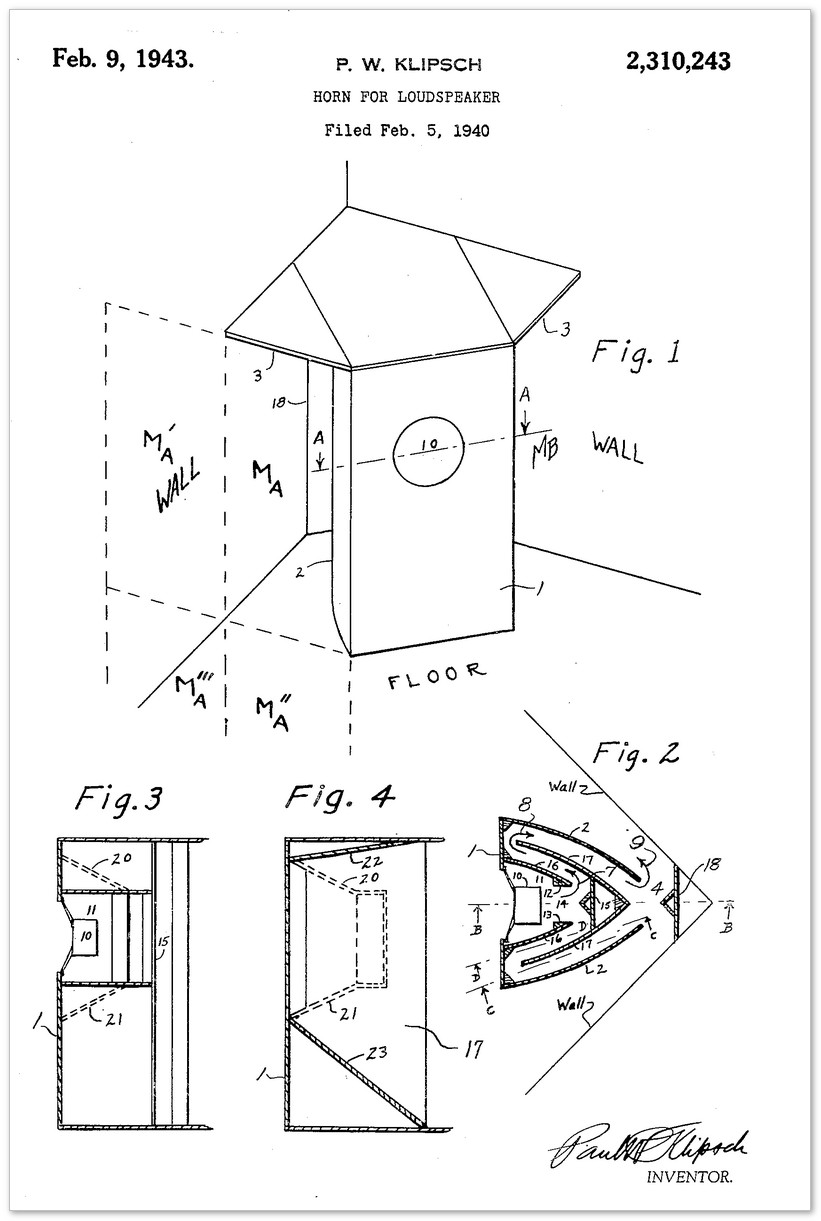
Sota vei syntysijoille
Toinen maailmansota ei synnyttänyt Klipschin kaiutinideaa, mutta se vei Paul W. Klipschin paikkaan, jossa ideasta tuli lopulta yritys.
Sähköinsinöörin koulutuksen lisäksi hänellä oli sotilaallista upseerikoulutustaustaa, ja Yhdysvaltain armeija komensi hänet Hopeen, Arkansasiin, Southwestern Proving Ground -koealueelle.
Kyse oli laajasta sotilasteknisestä testialueesta, jossa tarvittiin rakentamista, mittaamista, valvontaa ja käytännön insinöörityötä. Klipsch eteni alueella pääinsinööriksi ja yhdeksi sen keskeisistä teknisistä johtajista.
Sota-ajan työ ei liittynyt suoraan hifiin, mutta ympäristö sopi Klipschin ajatteluun. Southwestern Proving Groundilla testattiin järjestelmiä ja ratkaistiin teknisiä ongelmia mittausten perusteella. Samaan aikaan Klipsch kehitti vapaa-ajallaan nurkkaan sijoitettavaa torvikaiutinta, josta tulisi myöhemmin Klipschorn.
Klipsch esitteli varhaista kaiutinratkaisuaan upseerimajoituksessaan Hopessa. Toiston luonnollisuus ja dynamiikka tekivät kuulijoihin niin vahvan vaikutuksen, että he rohkaisivat häntä viemään kaiuttimen tuotantoon. Patenttipohja oli jo rakentumassa: Klipsch oli saanut vuonna 1943 patentin taitettua torvea koskevalle ratkaisulle, ja vuonna 1945 hän sai patentin myös pian päivänvalon näkevän Klipschornin matalataajuusosalle. Näiden ratkaisujen varaan hän perusti seuraavana vuonna Klipsch & Associates -yhtiön.
Näin Hope muuttui työpaikasta Klipschin kotipaikaksi. Ensin kaiuttimia valmistettiin pienessä peltivajassa, ja vuonna 1948 toiminta siirtyi Southwestern Proving Groundin vanhaan puhelinkeskusrakennukseen. Siitä tuli yhtiön ensimmäinen varsinainen tehdas, toimisto ja laboratorio.
Klipschorn – tästä kaikki alkoi
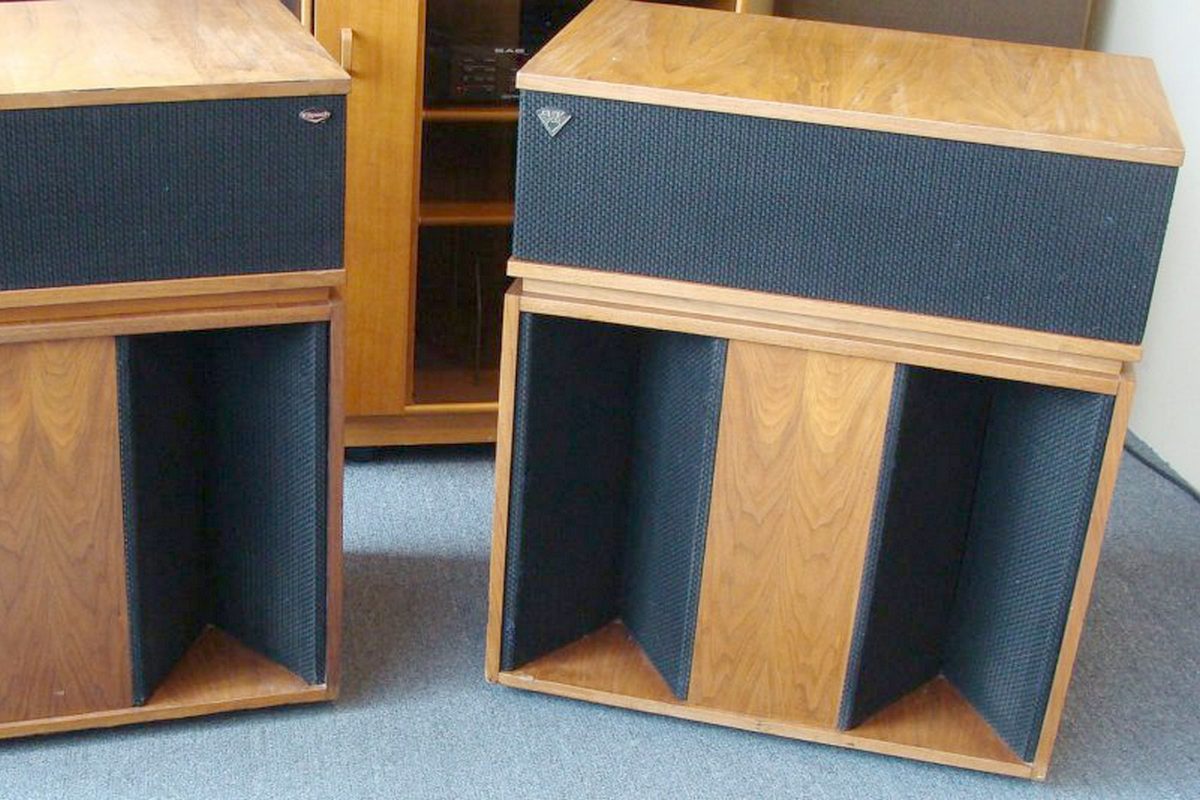
Klipsch & Associatesin ensimmäinen varsinainen tuote oli Klipschorn. Sen rakenne ja toimintaperiaate poikkesivat selvästi tavanomaisista kotikaiuttimista. Kaiutin oli suunniteltu sijoitettavaksi tiiviisti huoneen nurkkaan, eikä nurkkasijoitus ollut vain suositus vaan osa kaiuttimen toimintaa. Bassotoisto perustui taitettuun torveen, jossa huoneen seinät toimivat torven jatkeena. Näin huone ei ollut pelkkä sijoituspaikka, vaan osa kaiuttimen akustista rakennetta.
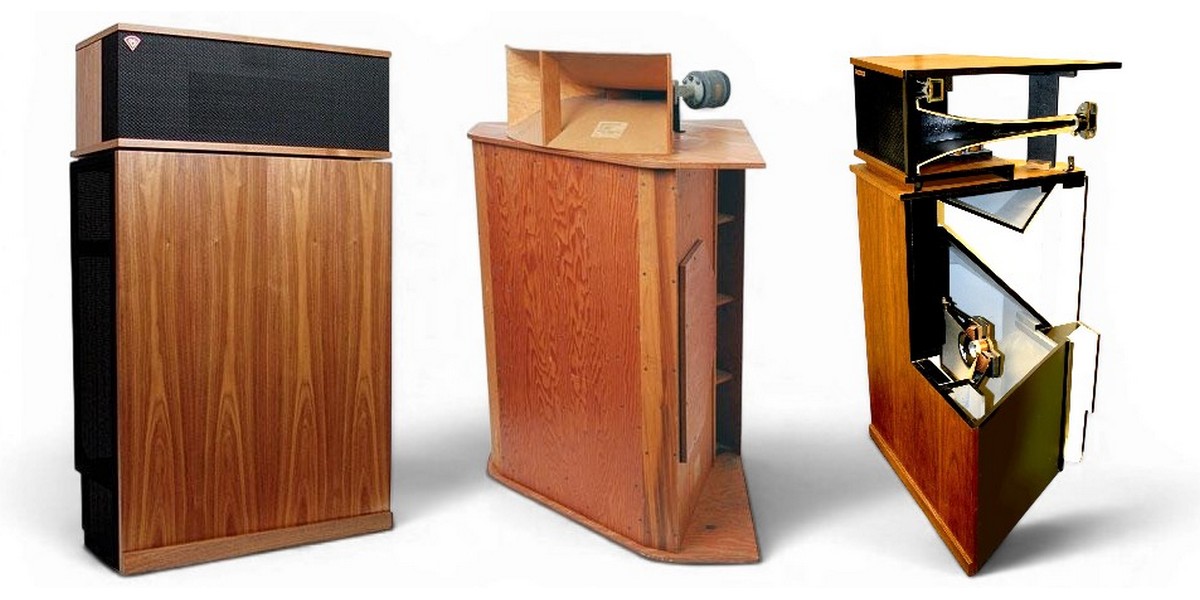
Klipschornin torviperiaate ei koskenut vain bassoa. Bassotoisto perustui suureen taitettuun nurkkatorveen, mutta myös keskiäänialue ja ylätaajuudet toistettiin omien torvirakenteidensa kautta. Tämä oli olennainen osa kaiuttimen korkeaa herkkyyttä ja hallittua suuntaavuutta. Klipschin tavoitteena oli pitää hyötysuhde korkeana ja elementtien liike pienenä mahdollisimman laajalla taajuusalueella.
Ratkaisulla oli selvä tavoite. Kun hyötysuhdetta saatiin parannettua, kaiutin pystyi tuottamaan suuren äänenpaineen pienemmällä vahvistinteholla ja elementtien pienemmällä liikkeellä. Klipschin ajattelussa tämä liittyi suoraan särön vähentämiseen. Mitä vähemmän elementtien tarvitsi liikkua tietyn äänenpaineen tuottamiseksi, sitä hallitummin ne pystyivät toimimaan.
Tuotannon alku oli vaatimaton. Ensimmäisiä keski- ja yläalueen torvia valmistettiin peltivajassa, ja ensimmäisten Klipschornien bassokoteloiden valmistuksessa auttoivat paikallinen puuseppä sekä Baldwin Piano Company. Vuonna 1948 toiminta siirtyi vanhaan Southwestern Proving Groundin puhelinkeskusrakennukseen. Pääkerrokseen sijoitettiin toimisto ja akustiikan tutkimustila, kellariin kaiutinvalmistus. Rakennuksen korkea kellaritila ja käsikäyttöinen hissi sopivat suurten kaiuttimien kokoamiseen.
Klipschin käytännön huumoria kuvasi varhainen sarjanumerointi. Ensimmäinen tässä rakennuksessa valmistettu Klipschorn sai sarjanumeron 121, koska numeroihin lisättiin sata. Näin nuori yritys näytti ulospäin hieman suuremmalta.
Klipschornista tuli malli, jonka ympärille Klipschin kaiutinidentiteetti pitkälti rakentui. Sen poikkeuksellinen pitkäikäisyys kertoo, että ratkaisu ei jäänyt vain varhaiseksi kokeiluksi, vaan muodostui osaksi yhtiön pysyvää perinnettä.
Heresy, Cornwall ja La Scala – tulevat klassikot
Klipschorn oli Klipschin lähtöpiste, mutta se ei sopinut kaikkiin tilanteisiin. Se oli suuri, se vaati nurkkasijoituksen ja rakentui hyvin tietyn akustisen periaatteen ympärille. Seuraavat mallit syntyivät siksi käytännön tarpeista: Klipschin piti soveltaa torviteknologiaa erilaisiin tiloihin, sijoituksiin ja käyttötapoihin.
Vuonna 1957 esitelty Heresy oli tästä hyvä esimerkki. Se suunniteltiin alun perin keskikaiuttimeksi kolmekanavaiseen stereojärjestelmään kahden Klipschornin väliin. Nimi syntyi siitä, että Klipsch oli tekemässä kaiutinta, joka ei ollut varsinainen nurkkakaiutin. Ajatus oli Klipschin omassa maailmassa lähes “harhaoppia”, ja tästä tuli mallin nimi: Heresy.
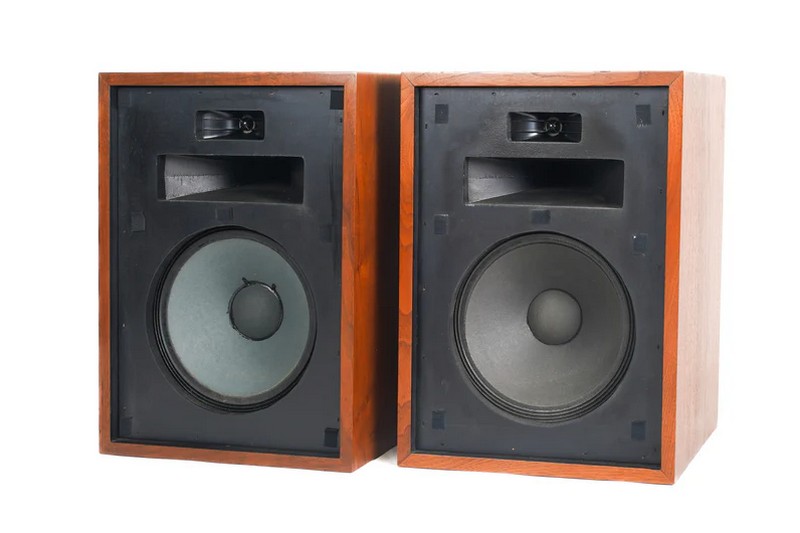
Heresy sai näkyvyyttä jo varhain myös Yhdysvaltojen ulkopuolella. Vuoden 1958 Brysselin maailmannäyttelyssä sitä käytettiin keskikaiuttimena kahden Klipschornin välissä amerikkalaisessa hifi-esittelyssä. Seuraavana vuonna Klipschorn ja Heresy olivat mukana myös Moskovan American National Exhibition -tapahtumassa, jossa amerikkalaista teknologiaa esiteltiin kylmän sodan keskellä. Näin Klipschin kaiuttimet päätyivät varhain myös laajempaan kansainväliseen yhteyteen.
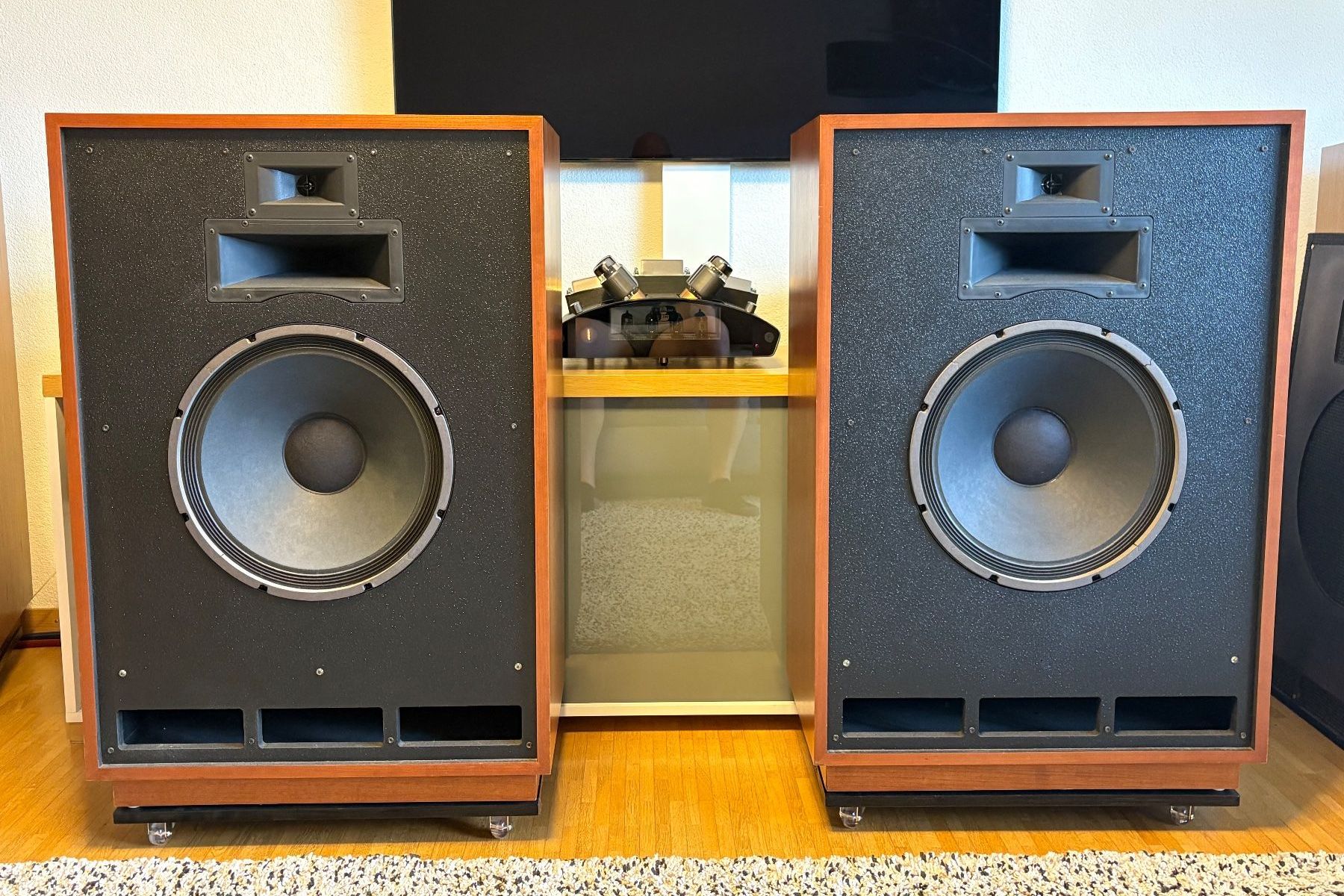
Cornwall seurasi vuonna 1959. Se kehitettiin täyteläisemmäksi keskikaiuttimeksi kahden Klipschornin väliin, mutta samalla siitä tuli myös itsenäinen kaiutinmalli. Nimi viittasi sijoitteluun: kaiutin voitiin asettaa joko nurkkaan tai seinää vasten. Cornwall yhdisti torvikuormitetun keski- ja yläalueen perinteisempään bassoratkaisuun, mikä teki siitä Klipschornia joustavamman kotikäytössä.
Cornwalleissa nähtiin myös versioita, joissa keski- ja diskanttitorvet oli sijoitettu pystysuuntaisesti bassoelementin sivulle. Myöhemmissä ja nykyisissä Cornwall-malleissa torvet on sijoitettu vaakasuuntaisesti bassoelementin yläpuolelle. Tämä kertoo osaltaan siitä, että Cornwallin rakenne eli alkuvuosina, vaikka perusajatus pysyi samana: torvikuormitettu keski- ja yläalue yhdistettynä suureen, refleksikoteloituun bassoon.
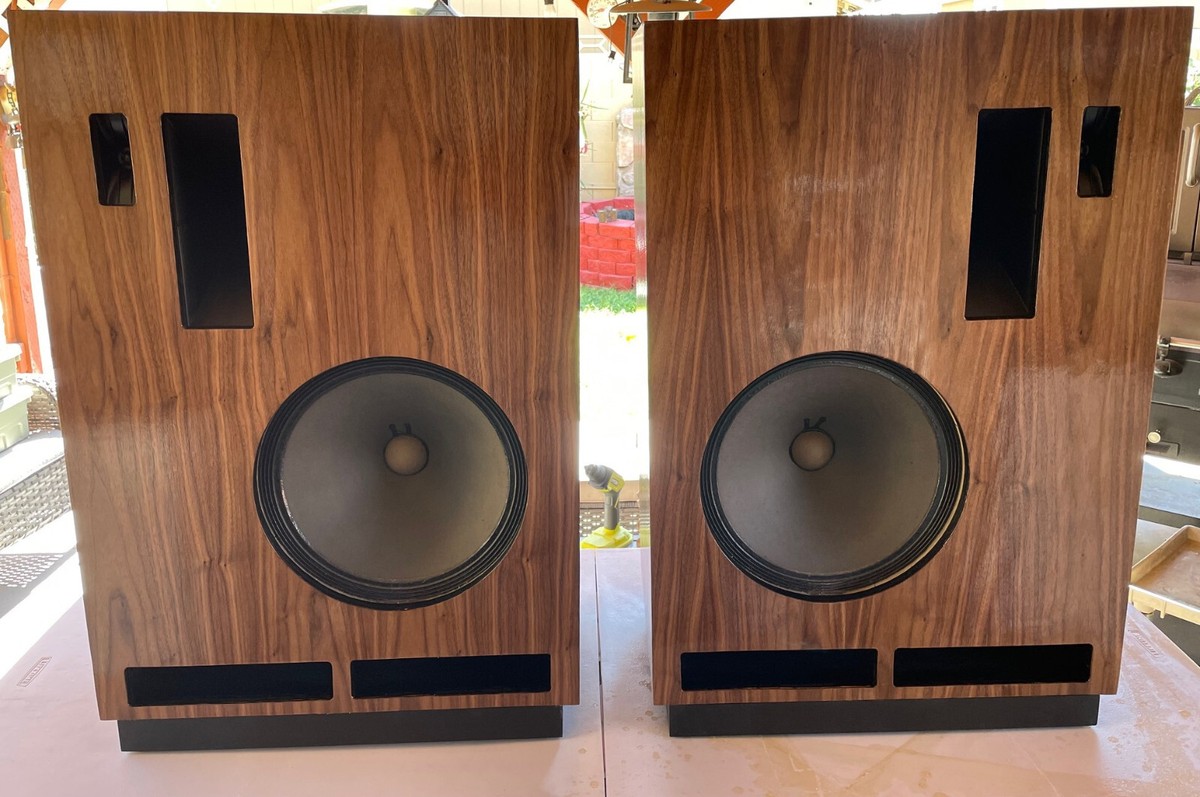
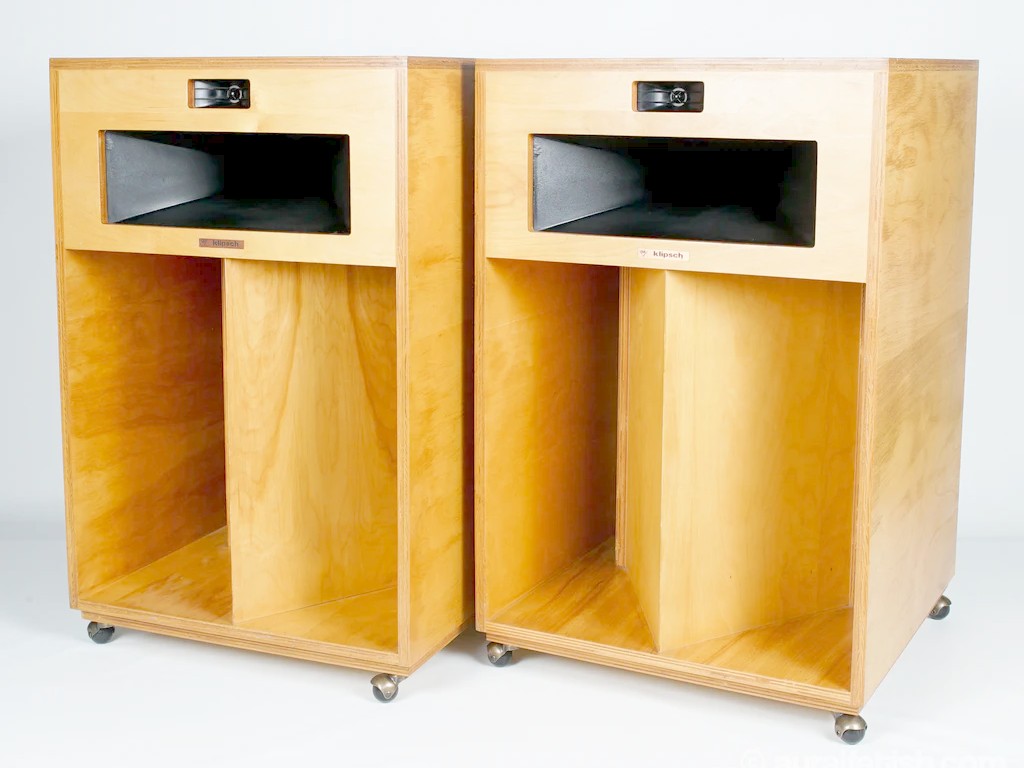
La Scala syntyi vuonna 1963 vielä toisenlaisesta tarpeesta. Se suunniteltiin alun perin Arkansasin kuvernööriehdokas Winthrop Rockefellerin kampanjakäyttöön, jossa tarvittiin tehokasta ja kantavaa julkista äänentoistoa. Mallin nimi viittasi Milanon Teatro alla Scalaan. Vaikka lähtökohta oli puhe- ja tapahtumakäytössä, La Scalasta tuli myöhemmin myös kotihifin klassikkomalli.
Vuonna 1971 esitelty Belle Klipsch oli La Scalan viimeistellympi ja huonekalumaisempi sukulainen. Se nimettiin Paul Klipschin ensimmäisen vaimon Eva Bellen mukaan. Belle kuuluu Klipschin historialliseen Heritage-jatkumoon, vaikka se ei ole nykyisessä varsinaisessa Heritage-valikoimassa.
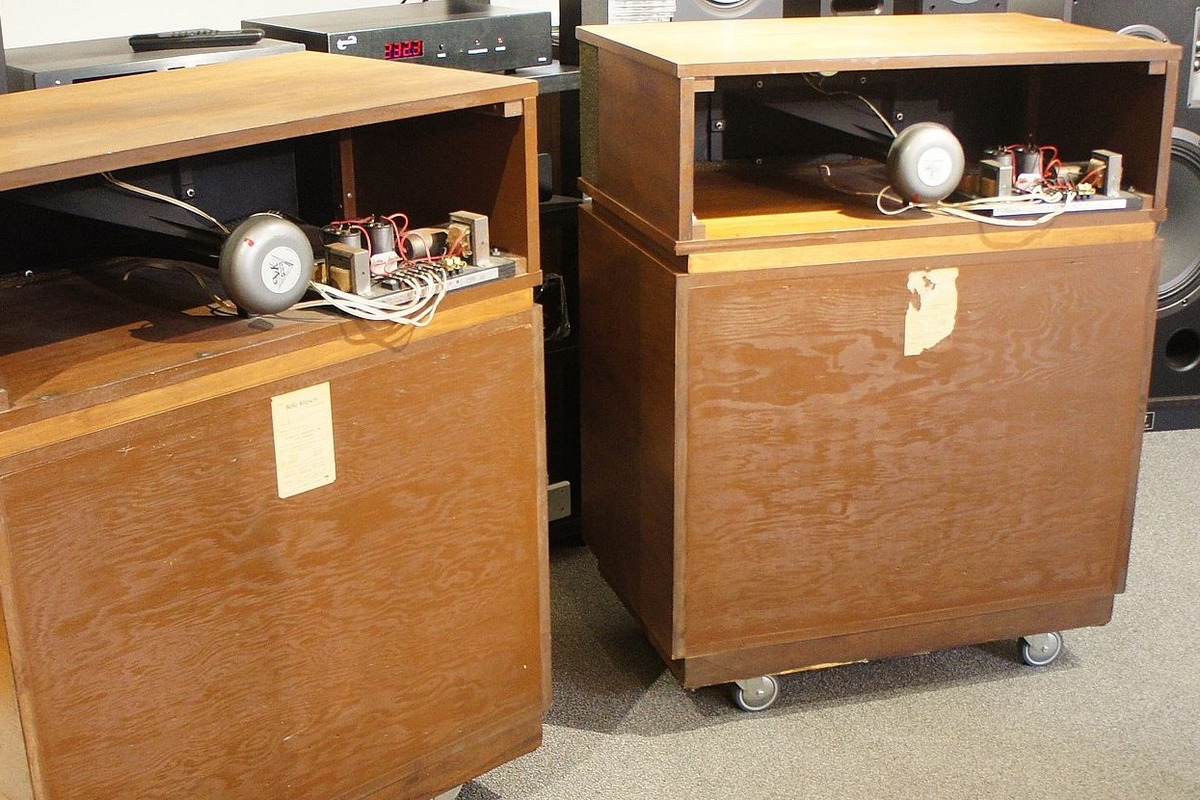
Näistä malleista muodostui Klipschin Heritage-perinteen ydin. Klipschorn, Heresy, Cornwall ja La Scala ovat edelleen käytössä olevia mallinimiä, ja nykyisessä Heritage-mallistossa niiden rinnalla ovat myös Forte ja Jubilee.
Vuonna 1985 esitelty Forte toi Klipschin korkean herkkyyden ja torvikuormitetun keski- ja yläalueen selvästi kompaktimpaan koteloon kuin suuret Heritage-mallit. Sen bassoratkaisussa käytettiin passiivisäteilijää, jonka avulla kaiutin pystyi tuottamaan kokoonsa nähden ulottuvaa bassoa. Forte nousi yhdeksi Klipschin menestyneistä malleista, ja sitä kehitettiin myöhemmin edelleen muun muassa Forte II -versiona. Mallin paluu Forte III:na vuonna 2017 ja nykyinen Forte IV kertovat, että myös 1980-luvun Klipsch-suunnittelusta tuli osa yhtiön pysyvää Heritage-perinnettä.
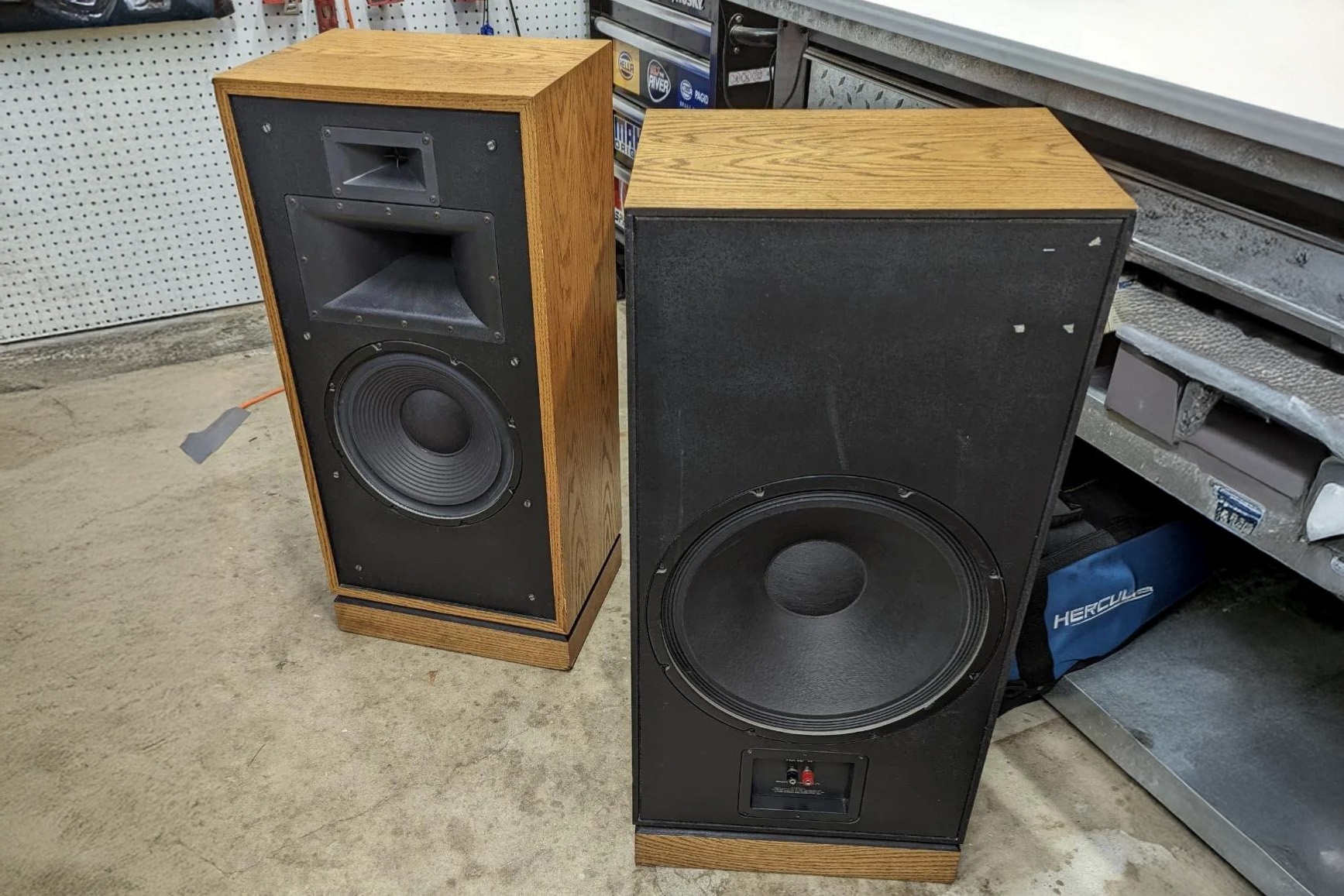
Klipsch Forte II jatkoi alkuperäisen Forten ajatusta "kompaktimmasta", mutta tehokkaasta Heritage-kaiuttimesta. Mallissa käytettiin torvikuormitettua keski- ja yläaluetta sekä bassotoistoa tukevaa passiivisäteilijää. Forte II oli tärkeä myös siksi, että siinä Klipsch toi käyttöön Tractrix-keskiäänitorven, josta tuli myöhemmin yksi merkin laajasti käyttämistä torviratkaisuista.
Forte oli tärkeä malli myös siksi, että sen myöhemmässä kehityksessä Klipsch toi käyttöön Tractrix-torven. Forte II:ssa käytetty Tractrix-keskiäänitorvi ennakoi suuntaa, josta tuli myöhemmin keskeinen osa Klipschin mallistoa. Tractrix tarkoittaa torven muotoa, jolla pyritään yhdistämään torvikaiuttimen korkea hyötysuhde hallitumpaan suuntaavuuteen. Käytännössä tavoitteena on ohjata ääntä tarkemmin kuuntelualueelle ja vähentää huoneen pinnoista syntyviä epätoivottuja heijastuksia. Nykyisin Tractrix-muotoa käytetään laajasti Klipschin kaiuttimissa, myös Heritage-malliston ulkopuolella.
Myös äänitteitä kaiuttimien ehdoilla
Klipschin historiassa on myös vähemmän tunnettu sivupolku. 1950-luvun lopulla yhtiö perusti KlipschTape Divisionin. Sen taustalla oli käytännön ongelma: Klipschornin esittelyyn tarvittiin riittävän laadukasta stereomateriaalia aikana, jolloin hyvälaatuisia stereotallenteita ei ollut runsaasti saatavilla.
Paul W. Klipsch ja John Eargle kiersivät tallentamassa muun muassa jazzia, urkumusiikkia, kuoroesityksiä ja erilaisia ääniefektejä. Näitä nauhoja myytiin jälleenmyyjille ja hifiharrastajille esittelykäyttöön. Hanke jäi lyhyeksi ja tuotti Klipschin mukaan noin 10 000 dollarin tappion vuonna 1959, mutta se kertoo olennaisen asian yrityksen ajattelusta. Kaiutin ei ollut irrallinen tuote, vaan osa koko äänentoistoketjua. Myöhemmin osa KlipschTape-nauhoista löydettiin uudelleen vuonna 2011.
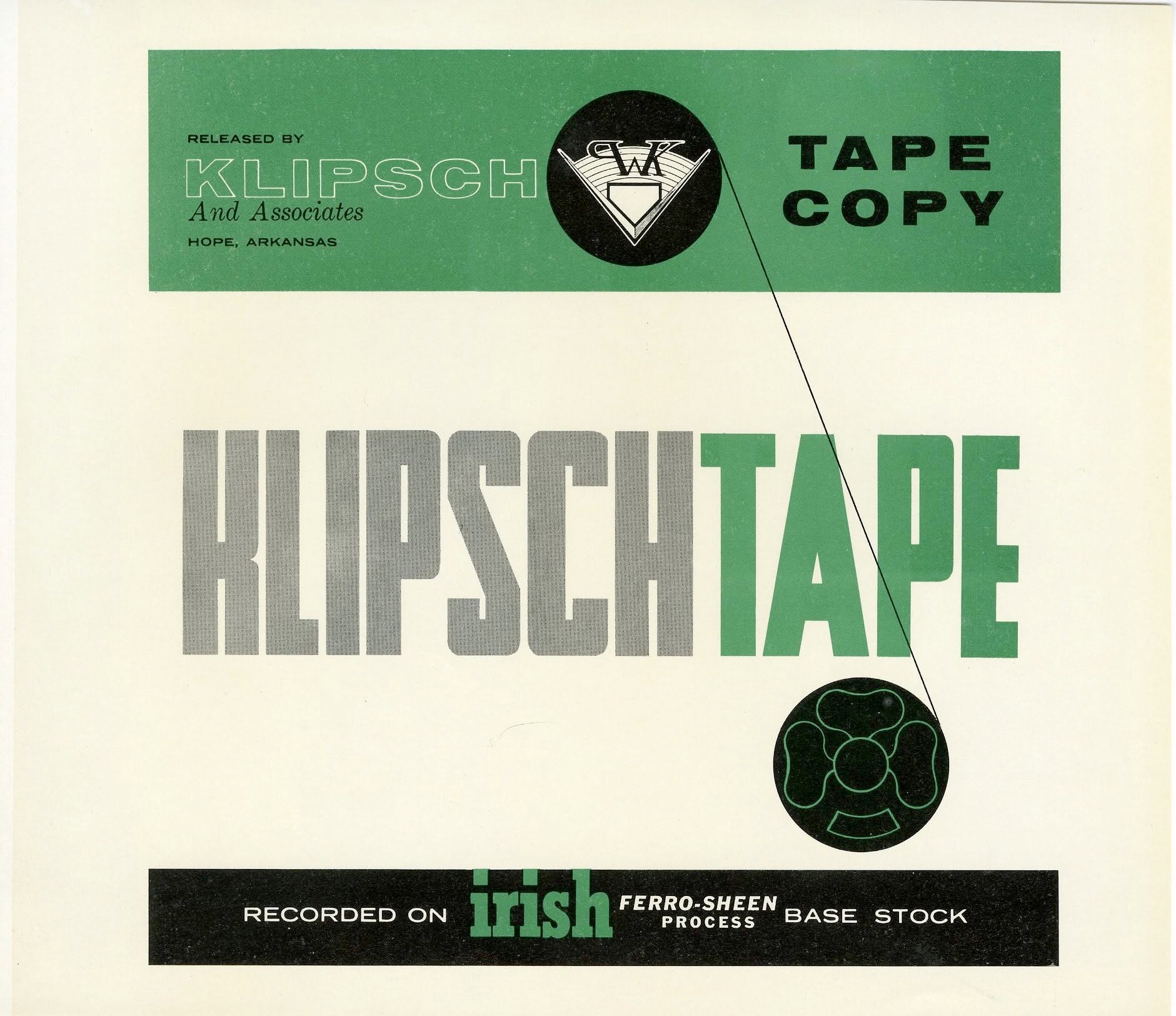
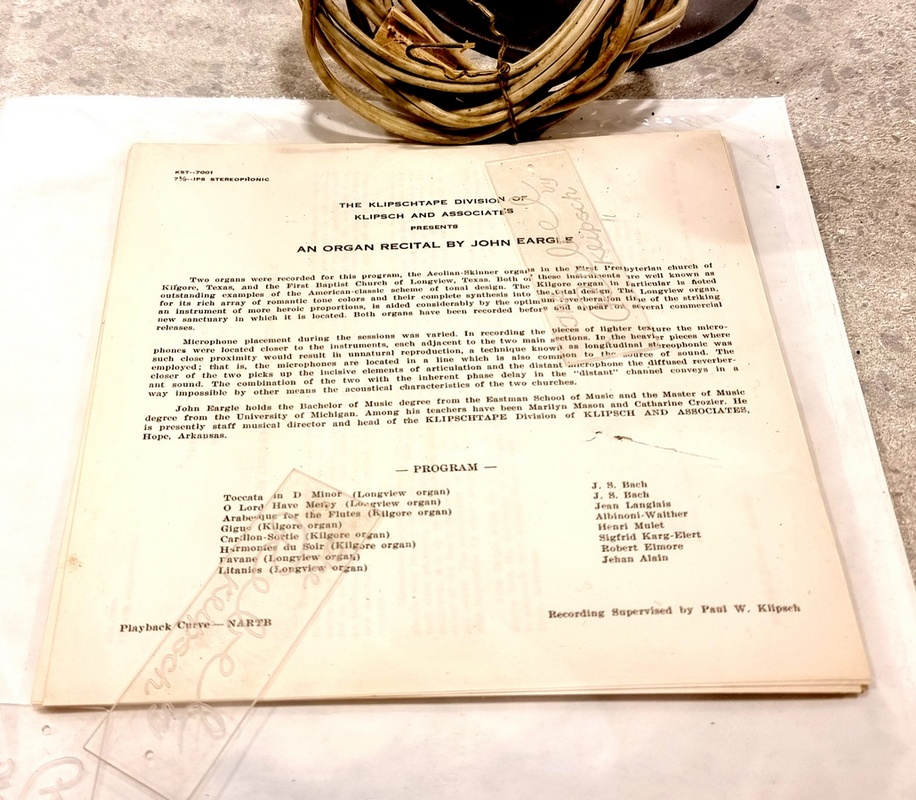
KlipschTape Division oli Klipsch & Associatesin lyhytikäinen äänitehanke 1950-luvun lopulla. Kuvassa oleva John Earglen urkuresitaalin ohjelmalehtinen kertoo, että yhtiö teki omia stereotallenteita kaiuttimiensa esittelyyn aikana, jolloin laadukasta stereomateriaalia oli vielä rajallisesti saatavilla.
John Earglen oma ura jatkui myöhemmin merkittävänä ääniteknikkona ja tuotekehittäjänä. Hän työskenteli muun muassa JBL:llä ja sai urallaan Grammy- ja Oscar-tunnustuksia.
Jakosuotimet ja mittaukset keskiössä
Klipsch yhdistetään usein torviin, korkeaan herkkyyteen ja suureen dynamiikkaan, mutta kaiuttimen toiminta ei ratkea pelkällä torvella. Torvikuormitetut elementit, bassoratkaisu ja kotelo on sovitettava toisiinsa myös sähköisesti. Tässä jakosuotimella on keskeinen rooli: se määrittää, millä taajuusalueella kukin elementti toimii, miten niiden tasot sovitetaan yhteen ja millaisena kuormana kaiutin näyttäytyy vahvistimelle.
Klipschin tapauksessa tämä oli erityisen tärkeää, koska Heritage-mallit eivät olleet yksinkertaisia yhden elementin kaiuttimia, vaan useista eri tavoin kuormitetuista osista rakennettuja järjestelmiä. Esimerkiksi Klipschornissa bassotoisto perustui taitettuun torveen, kun taas keski- ja yläalue hoidettiin omilla torviratkaisuillaan. Jakosuotimen tehtävänä oli liittää nämä osat toimivaksi kokonaisuudeksi niin, että kaiuttimen korkea hyötysuhde, suuntaavuus ja taajuusvaste pysyivät hallinnassa.
Paul W. Klipsch ei suhtautunut jakosuotimeen pelkkänä välttämättömänä komponenttina. Hänellä oli ainakin kaksi jakosuotimiin suoraan liittyvää patenttia. US 2,612,558, “Crossover filter network”, on vuodelta 1952. Se liittyi monitie-kaiuttimen jakosuotimeen eli siihen, miten eri taajuusalueet ohjataan eri elementeille. Patentti mainitaan myös Paul W. Klipschin patenttiluetteloissa.
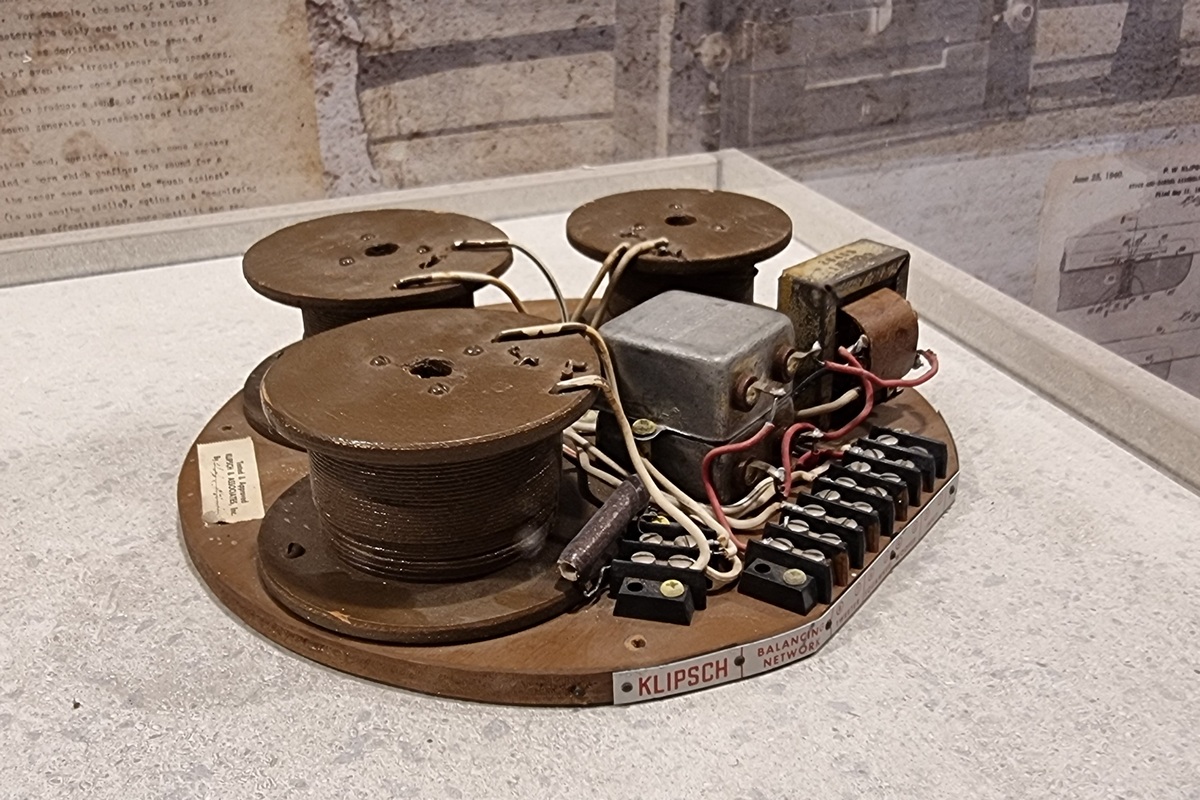
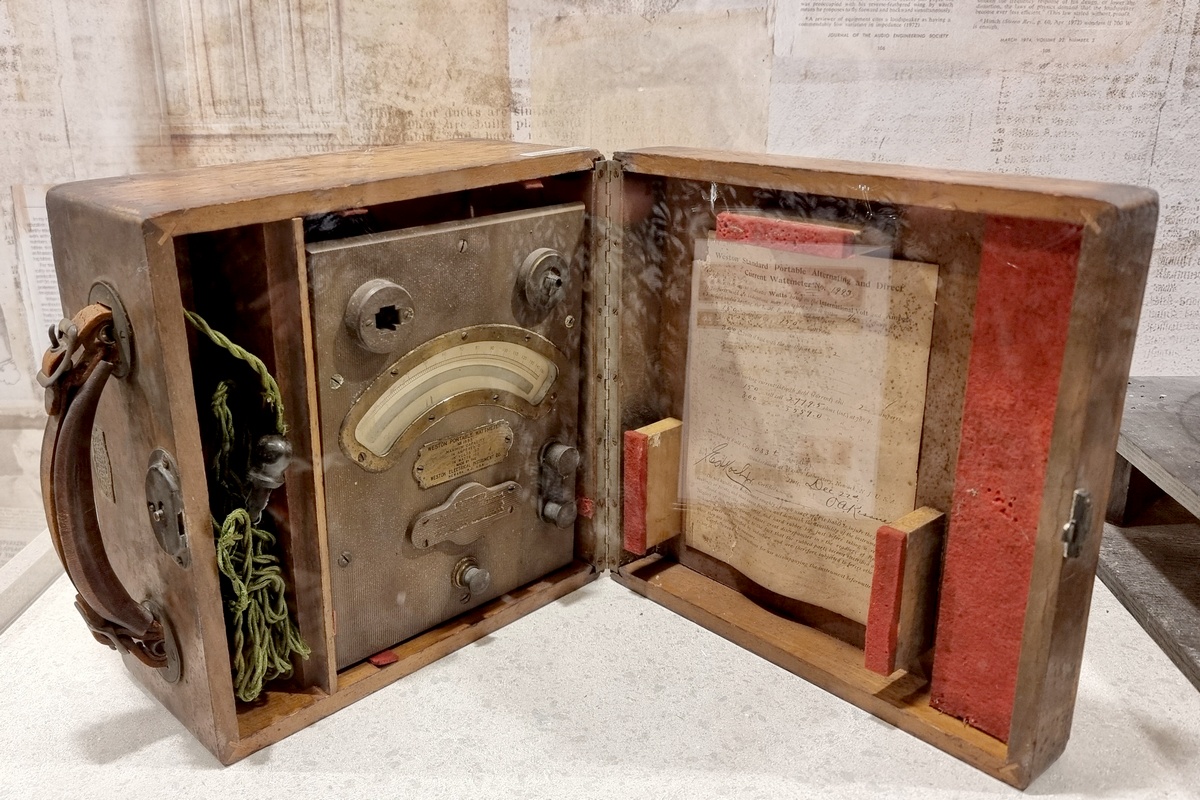
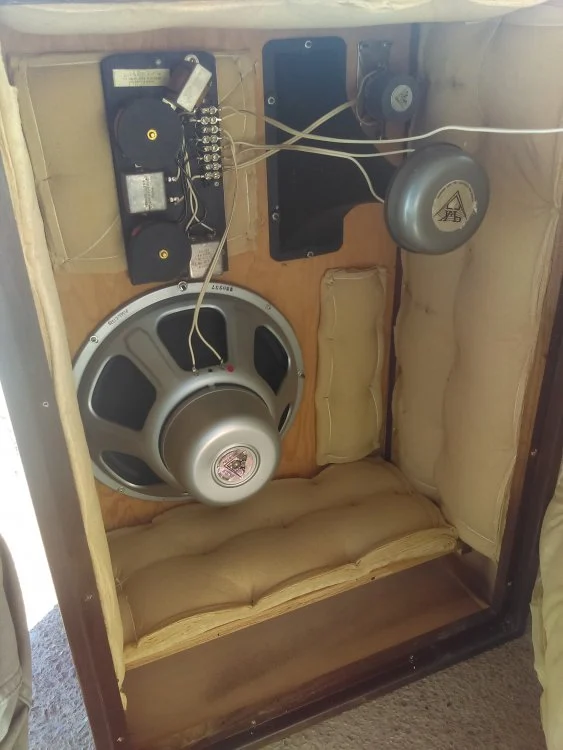
Vanha Klipsch-jakosuodin havainnollistaa kaiutinsuunnittelun sähköistä puolta. Torvirakenne määritteli merkin ääni-ihanteen, mutta kokonaisuus riippui myös elementtien sovituksesta, jakotaajuuksista, vaimennuksista ja kaiuttimen kuormasta vahvistimelle.
Toinen keskeinen patentti oli US 4,237,340, “Crossover network for optimizing efficiency and improving response of loudspeaker system”. Tämä oli myöhempi patentti, jossa keksijöinä olivat Paul W. Klipsch ja James R. Hunter. Patentti koski jakosuodinta, jolla pyrittiin parantamaan kaiutinjärjestelmän hyötysuhdetta ja vasteen tasaisuutta. Patentissa käsiteltiin muun muassa autotransformeria ja piirejä, joilla sovitetaan eri elementtien tasoja ja vasteita.
Myös vuonna 1980 Hopeen rakennettu tutkimuslaboratorio oli Klipschille tärkeä askel kohti järjestelmällisempää tuotekehitystä. Uusi kaiuton huone suunniteltiin tilanteeseen, jossa yhtiö oli siirtymässä yhä pidemmälle elementtisuunnitteluun, kotelorakenteisiin ja jakosuotimien kehittämiseen. Kaiuton huone mahdollisti kaiuttimien mittaamisen hallitussa ympäristössä ilman huoneheijastusten vaikutusta.
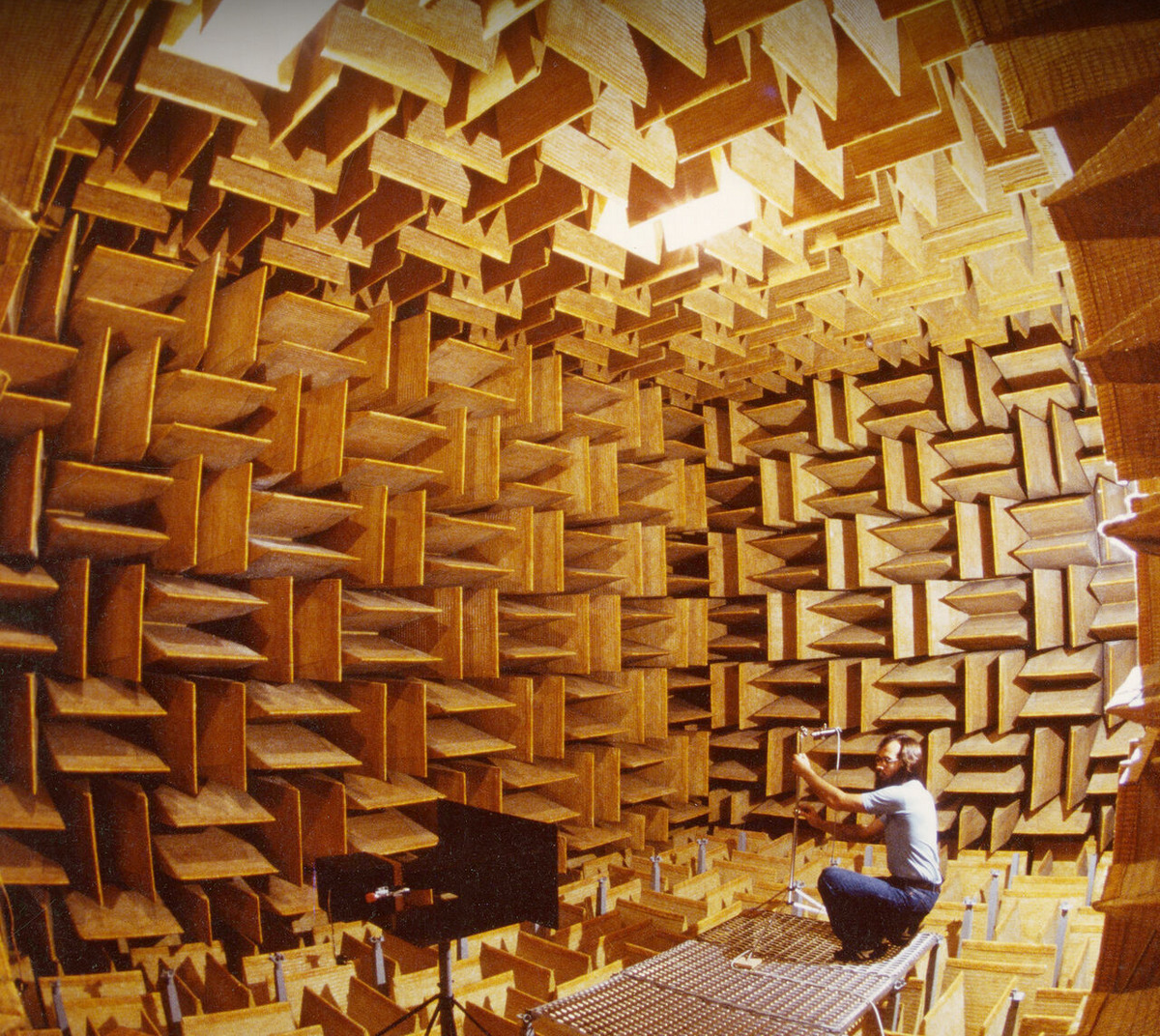
“Anechoic Chamber, 1982”, jossa Jim Hunter mittaa taajuusvastetta Hopen kaiuttomassa huoneessa. Julkaisun mukaan kuvan otti Gary Gillum ja se oli alun perin Inside Arkansas -lehden kesän 1982 numeron kannessa.
Klipschille tämä ei kuitenkaan ollut aivan tavanomainen mittaushuone, koska yhtiön keskeinen tuote Klipschorn oli suunniteltu toimimaan huoneen nurkassa. Siksi Paul W. Klipsch ja Jim Hunter suunnittelivat kaiuttomaan huoneeseen patentoitavan erikoisratkaisun: kolmen tonnin pyörivän oven, joka mahdollisti myös nurkkakaiuttimien testaamisen. Vuonna 1983 myönnetty patentti US 4,387,786, “Anechoic chamber arrangement”, liittyi juuri tähän järjestelyyn.
“Bullshit”-nappi ja suorapuheinen insinööri
Yksi Klipschin tunnetuimmista anekdooteista liittyy pieneen keltaiseen nappiin. 1960-luvulla Paul W. Klipsch turhautui kaiutinvalmistajien väitteisiin, jotka hänen mielestään rikkoivat fysiikan lakeja tai perustuivat liioitteluun. Tästä syntyi “Bullshit”-slogan sekä mainosajatus “Ho Hum Another Major Breakthrough”.
Klipsch alkoi jakaa pieniä keltaisia nappeja hifikaupoissa ja messuilla. Napin idea oli yksinkertainen: sitä voitiin vilauttaa, kun puhe muuttui teknisesti kestämättömäksi. Vaikka tarina on humoristinen, se kertoo paljon Klipschin ajattelusta. Hän ei halunnut rakentaa brändiä vain mielikuvien varaan, vaan korosti akustiikkaa, mittauksia ja fysiikan reunaehtoja.

Tämä suorapuheisuus näkyi myös Klipschin omassa teknisessä viestinnässä. “Dope from Hope” oli hänen epäsäännöllisesti julkaisemansa tekninen tiedotesarja, jonka nimi viittasi Hopeen, Arkansasiin, jossa Klipschin yritys sijaitsi.
Tiedotteissa käsiteltiin kaiutinsuunnittelua, mittauksia, akustisia periaatteita ja äänentoiston käytännön kysymyksiä. Ne oli suunnattu jälleenmyyjille, harrastajille ja asiakkaille, jotka halusivat ymmärtää, miksi Klipsch suunnitteli kaiuttimensa tietyllä tavalla.
“Dope from Hope” sai myöhemmin myös uuden elämän. Vuonna 2023 Klipsch Museum of Audio History kertoi Kickstarter-hankkeesta, jossa Paul W. Klipschin “Dope from Hope” -tiedotteet koottiin noin 300-sivuiseksi kovakantiseksi kirjaksi. Hanke kuvasi hyvin tiedotteiden asemaa Klipsch-historiassa: ne eivät olleet vain markkinointimateriaalia, vaan osa Paul W. Klipschin teknistä perintöä.
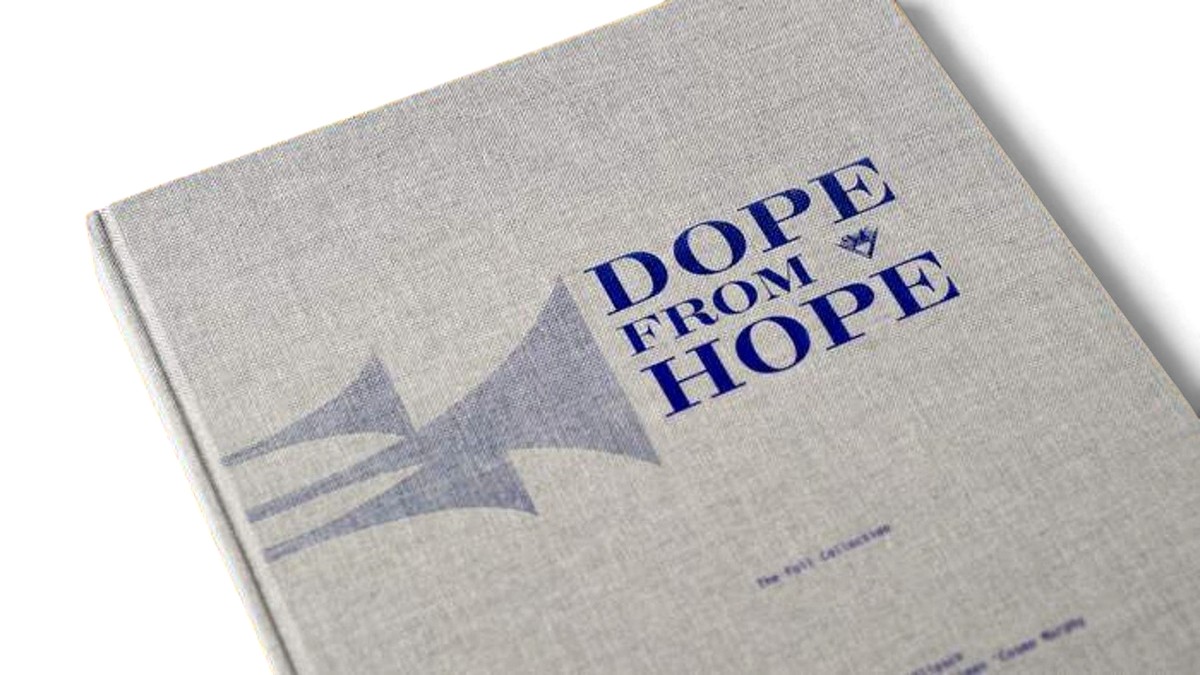
Dope from Hope -tiedotteisiin voi tutustua myös Klipsch Museum of Audio Historyn sivuilla, joille on koottu sarjan alkuperäisiä numeroita ja niihin liittyvää taustaa.
Myös "ammattiääntä"
Klipsch syntyi kotikäyttöön tarkoitetun Klipschornin ympärille, mutta sen tekninen perusajatus sopi luontevasti myös julkiseen äänentoistoon. Torvikuormitus, korkea herkkyys ja suuri äänenpainevaranto olivat hyödyllisiä tilanteissa, joissa kaiuttimen piti täyttää suuri tila ilman suurta vahvistintehoa tai hallitsematonta säröä.
Tämä näkyi erityisesti La Scalassa. Vuonna 1963 esitelty kaiutin suunniteltiin alun perin Arkansasin kuvernööriehdokas Winthrop Rockefellerin kampanjakäyttöön, jossa tarvittiin tehokasta ja kantavaa äänentoistoa puhetilaisuuksiin.
Vuonna 1977 Klipsch siirtyi myös ammattiäänen puolelle aloittamalla suurten MCM-sarjan kaiuttimien valmistuksen kiertue-, live- ja elokuvakäyttöön.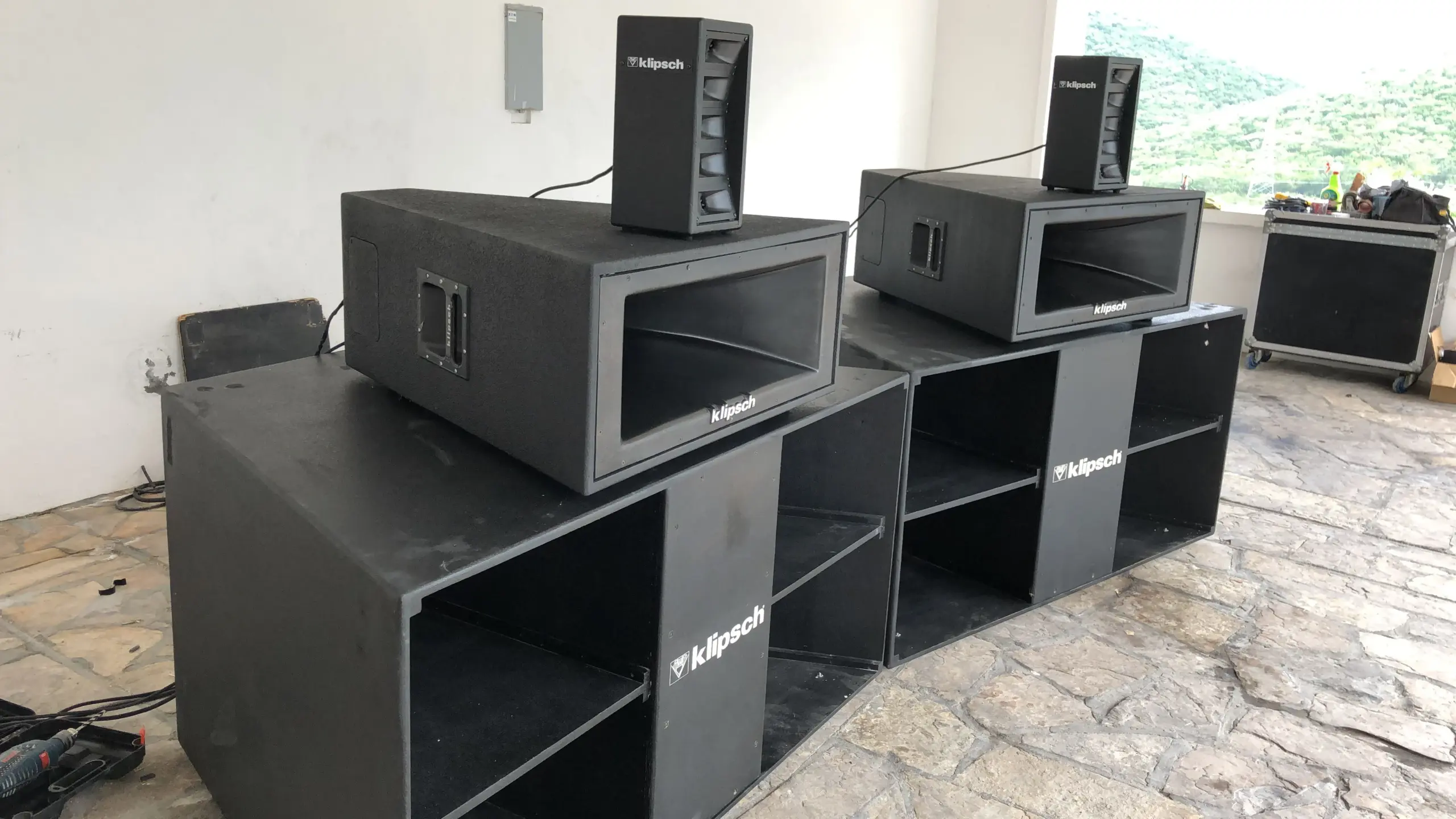

Yhteys teatteri- ja PA-äänentoistoon selittää osaltaan myös Klipschin myöhempää asemaa semi-pro-kotiteatterikaiuttimissa, joissa suurella dynamiikalla, hallitulla suuntaavuudella ja korkealla herkkyydellä on suuri merkitys.
Vuonna 1978 Paul W. Klipsch sai Audio Engineering Societyn Silver Medal -tunnustuksen kaiutinsuunnitteluun ja särömittaukseen liittyvistä ansioistaan. Tunnustus kuvaa hyvin hänen asemaansa: Klipschin maine perustui tuotteiden lisäksi akustiseen tutkimukseen, mittaamiseen ja tekniseen argumentointiin.
Sukupolvenvaihdos ja kotiteatterin aika
Vuonna 1989 Paul W. Klipsch myi Klipsch & Associatesin serkulleen Fred S. Klipschille ja tämän vaimolle Judylle. Tuotanto jatkui Hopessa, mutta liiketoiminnan painopistettä siirrettiin Indianapolisiin. Paul Klipsch jäi yrityksen perustajaksi ja neuvonantajaksi, ja hän jatkoi työtä myös Jubilee-kaiuttimen parissa.
Omistajavaihdoksen yhteydessä yhtiön nimi muuttui Klipsch, LLC:ksi ja käyttöön tuli uusi logo. Muutos kuvasi siirtymää perustajavetoisesta Klipsch & Associatesista kohti laajempaa kuluttajaäänentoiston yhtiötä.
1990-luvulla Klipsch laajeni voimakkaasti kotiteatterimarkkinaan. Synergy-, Legend-, Quintet-, Reference- ja THX-tuotelinjat veivät yhtiötä uusille asiakasryhmille aikana, jolloin monikanavainen kotiteatteri yleistyi. Klipsch ei ollut enää vain suurten Heritage-kaiuttimien valmistaja, vaan siitä kehittyi kansainvälinen kuluttajaäänentoiston brändi.
Klipsch tänään
Nykyinen Klipsch on osa Premium Audio Companya (PAC). Mallisto on laajentunut kauas alkuperäisestä Klipschornista: mukana on Heritage-kaiuttimien lisäksi Reference-sarjoja, kotiteatterikaiuttimia, soundbareja, aktiivikaiuttimia, kuulokkeita, Bluetooth-kaiuttimia sekä autonvalmistajille räätälöityjä äänijärjestelmiä.
Historiallinen yhteys näkyy kuitenkin edelleen niin torvi-elementeissä kuin tietenkin selvimmin Heritage-mallistossa. Klipschorn, La Scala, Cornwall, Forte ja Heresy ovat yhä käytössä olevia malleja. Ja vaikka rakenteita ja komponentteja on päivitetty vuosien aikana, on perusta edelleen sama kuin 80-vuotta sitten.
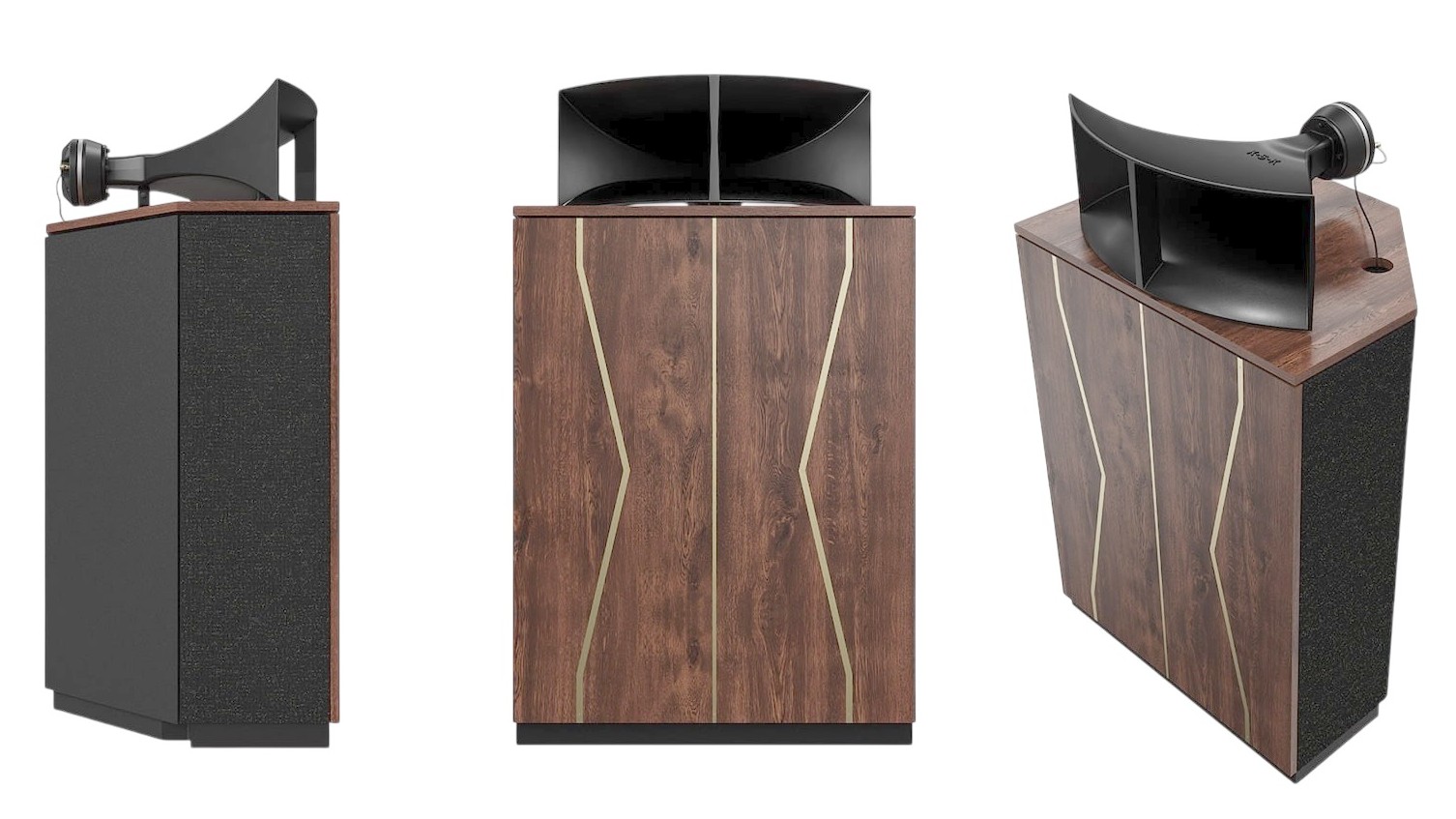
Vuonna 2026 Klipsch toi historian konkreettisesti nykyhetkeen esittelemällä Klipschorn 80th Anniversary Limited Editionin. Rajoitettu 280 parin juhlamalli palaa alkuperäisen Klipschornin kaksitierakenteeseen, mutta käyttää uusia komponentteja ja aktiivista DSP-jakosuodinta. Mukana toimitettava 180 gramman KlipschTape-vinyylipainos liittää mallin myös yhtiön 1950-luvun omaan äänitehistoriaan.
Uudempi suunta näkyy aktiivisissa The Fives II-, The Sevens II- ja The Nines II -kaiuttimissa. Ne yhdistävät Klipschille tyypillisen torvirakenteen vahvistimiin, HDMI eARC -liitäntään, langattomaan striimaukseen ja sovellusohjaukseen. The Sevens II- ja The Nines II -malleissa on myös Dirac Live -huonekorjaus.
Klipsch on muuttunut pienestä yhden miehen unelmasta ja kaiutinvalmistajasta kansainväliseksi kuluttajaäänentoiston brändiksi. Sen tunnistettavin tekninen piirre ei kuitenkaan ole kadonnut: torvikuormitus, korkea herkkyys ja suuri dynamiikka liitetään merkkiin yhä, erityisesti Heritage-malleissa, kotiteatterikaiuttimissa kuten myös uudemmissa aktiivikaiuttimissa.
Further information: www.klipsch.com
Maahantuoja/edustaja Suomessa: Loud Group Oy
Lisää kuvia Klipschin historiasta:
Klipsch Museumin Facebook-kuva-arkisto
Lähteet:
Klipsch: Klipsch Timeline and Milestones
https://www.klipsch.com/klipsch-milestones
Klipsch: Founder Biography – Paul W. Klipsch
https://www.klipsch.com/founder
Klipsch: Heritage Premium Audio
https://www.klipsch.com/heritage-premium-audio
Klipsch Museum of Audio History: Dope from Hope
https://www.klipschmuseum.org/dope-from-hope-2
Google Patents: Paul W. Klipschin kaiutin-, torvi-, jakosuodin- ja mittauspatentteja
https://patents.google.com/?inventor=Paul+W.+Klipsch
Most read today

Latest
Subscribe to the newsletter
Subscribe to our newsletter and stay up to date with the latest news in technology and entertainment electronics.
Survey
Quiz
Nokia phones
Related Posts
Philips The Roller ja The Tube – Liikkuvaa ääntä ihan omalla tyyliillä
Philips The Roller ja The Tube tuovat 1980-luvun boombox-hengen takaisin ilman kasetteja tai radiota. Tilalla ovat Bluetooth, akku, Auracast ja...
Cayin Jazz 70 – genuine tube sound and style at a reasonable price
The tube amplifier doesn't need to cost several thousand euros. The new Jazz 70 from Cayin brings classic EL34 tube technology, visible tubes, analog meters, and hand-crafted controls...

The use of artificial intelligence in music is growing rapidly, but there is still a lot to be learned about its use – at least in Finland.
Artificial music evokes significantly more reservations in Finns than the use of artificial intelligence in general. Artificial intelligence is rapidly becoming a part of everyday life, but the output it produces...
The new arrival of CDs is also reflected in devices – the Argon Audio CD1 is a new CD player priced at 399 euros
The arrival of vinyl records has been ongoing for a long time, and now a similar trend is also evident in CD records. Argon Audio responds to this interest with the new CD1 player,...

Audio-Technica ATH-AL5NC combines an open design and wireless connectivity – battery life up to 75 hours
Audio-Technica expands its range of open headphones with the ATH-AL5NC model, which is the manufacturer's first wireless open headphone. In addition to Bluetooth connectivity, it also features LDAC, noise reduction, and sound leakage...
The Marantz MCR 60n combines CD, vinyl, streaming, and TV audio into one device
Marantz has introduced the new MCR 60 multi-functional device, which continues the manufacturer's long series of compact Melody systems. A web player, CD player, and...
 Suomi
Suomi  English