
Quiz: C-cassette and cassette player – do you know the analog classic?

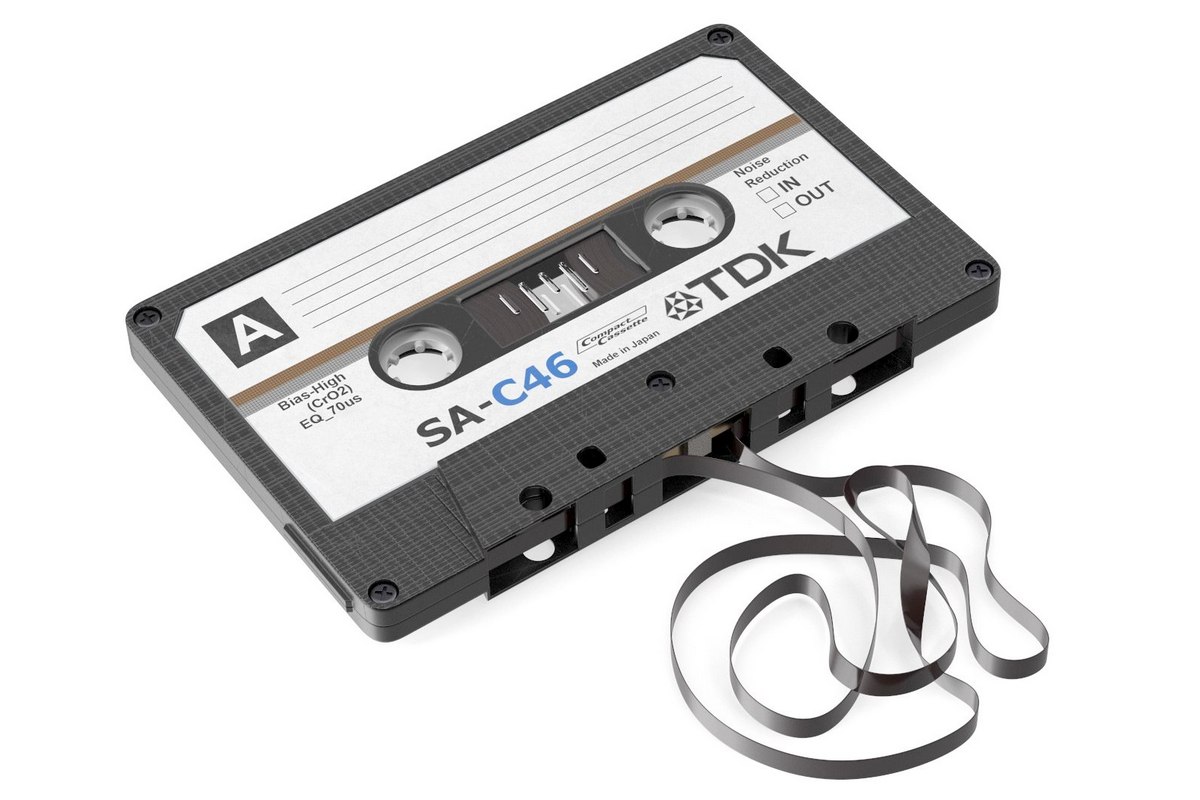
C-kasetti ja kasettisoitin olivat vuosikymmenten ajan musiikin kuuntelun arkea kotona, autossa ja kannettavissa soittimissa. Kuinka hyvin tunnet tämän analogisen äänentoiston klassikon historian, tekniikan ja kultakauden?
#1. Minä vuonna Philips esitteli Compact Cassetten?
Compact Cassette esiteltiin Philipsin toimesta vuonna 1963.
#2. Mikä oli C-kasetin alkuperäinen pääkäyttötarkoitus?
C-kasetti suunniteltiin aluksi ennen kaikkea puheen tallentamiseen, ei korkeatasoiseen musiikkikäyttöön.
#3. Mitä lyhenne Dolby B tarkoitti kasettisoittimissa?
Dolby B oli kohinanvaimennusjärjestelmä, jolla pyrittiin vähentämään toiston kohinaa.
#4. Mikä näistä oli tavallinen C-kasetin nauhatyyppi?
Type II oli yksi yleisistä kasettinauhatyypeistä. Se tunnettiin myös kromi- tai high bias -nauhana.
#5. Mitä tarkoittaa kasettidekin autoreverse?
Autoreverse mahdollistaa kasetin molempien puolien toiston ilman, että käyttäjän tarvitsee kääntää kasettia.
#6. Mikä on C-kasetin normaali nauhanopeus?
C-kasetin vakiintunut nauhanopeus on 4,76 senttimetriä sekunnissa.
#7. Mihin tarkoitukseen kasettisoittimen äänipää ensisijaisesti liittyy?
Äänipää lukee nauhalle tallennetun signaalin ja tallentaa signaalin nauhalle.
#8. Mitä C90-merkintä yleensä tarkoittaa kasetissa?
C90 tarkoittaa yleensä 90 minuutin kokonaiskestoa, eli noin 45 minuuttia per puoli.
#9. Miksi kasettidekeissä käytettiin usein kahta tai kolmea äänipäätä?
C90 tarkoittaa yleensä 90 minuutin kokonaiskestoa, eli noin 45 minuuttia per puoli.
#10. Mikä seuraavista väittämistä pitää paikkansa Dolby C -kohinanvaimennuksesta C-kasettidekeissä?
Dolby C kehitettiin Dolby B:tä tehokkaammaksi kohinanvaimennusjärjestelmäksi, erityisesti parempaa äänenlaatua tavoitteleviin kasettidekkeihin.
Results
Excellent!
You are a true guru.


80–99 % = Excellent result! – Very well handled topic
70–79 = % Good – The topic is clearly familiar
50–69 % = Moderate basic knowledge
30–49 = % Hmm – Okay, but…
1–29 % = Guessing?
0 = % This is already an achievement 😉


Most read today

Latest
Subscribe to the newsletter
Subscribe to our newsletter and stay up to date with the latest news in technology and entertainment electronics.
Survey
Quiz
Nokia phones
Related Posts
Quiz: Nokia phones
Remember the time when Nokia dominated the mobile phone market? In this visual, you’ll test your knowledge of legendary models, operating systems, and the company’s colorful history.

Do you know the most famous characters in television history?
Tunnetko television historian tunnetuimmat merkit? Tämä tietovisa käy läpi TV-brändejä eri vuosikymmeniltä – mukana on sekä yhä vahvasti markkinoilla olevia...
 Suomi
Suomi  English