
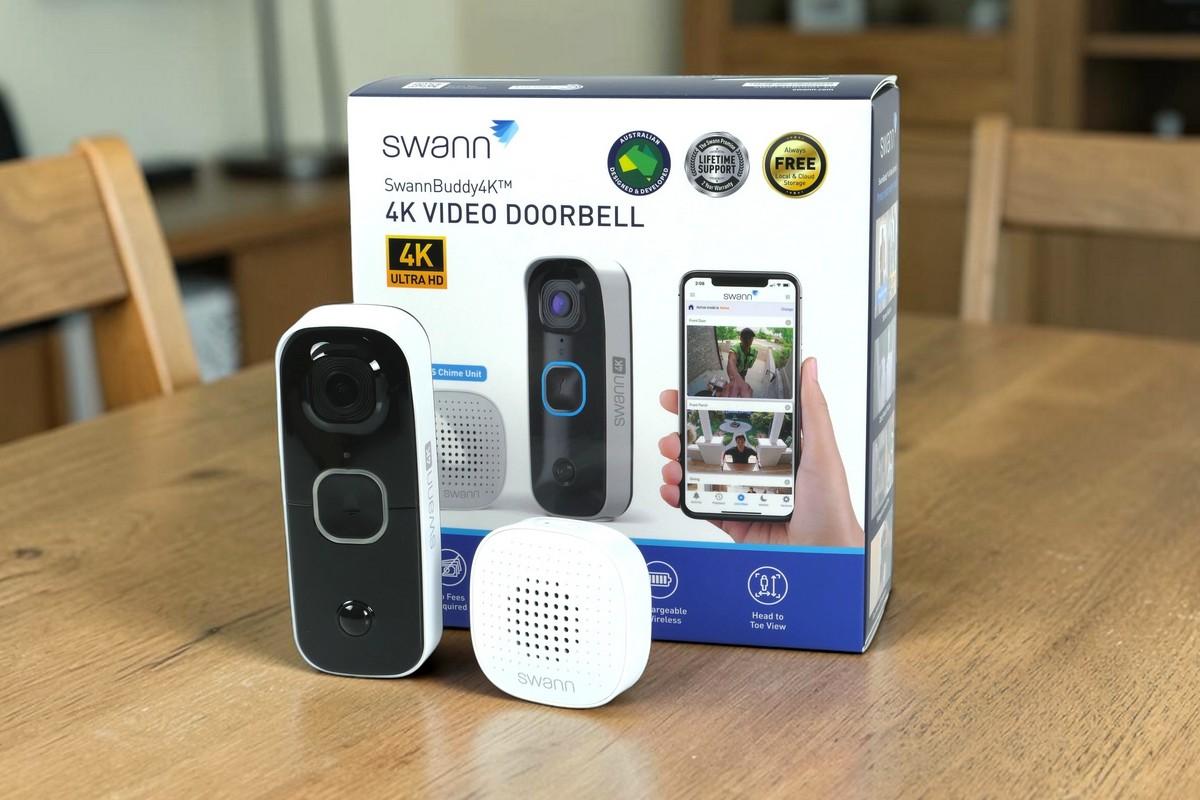
In the test, SwannBuddy 4K AI doorbell/security camera – New dimensions with artificial intelligence

Jatka artikkelin lukemista
Tämä artikkeli kuuluu AVPlus Extra -sisältöön. Jatka lukemista 1 krediitillä.
Login if you have purchased
Lukuoikeus artikkeliin
Tämän artikkelin lukeminen maksaa 1 krediitin. Lukuoikeus avaa artikkelin kokonaisuudessaan ja tallentaa sen käyttäjätilillesi. Alkaen 0,39 €Most read today

Latest
Subscribe to the newsletter
Subscribe to our newsletter and stay up to date with the latest news in technology and entertainment electronics.
Survey
Quiz
Nokia phones
Related Posts
Philips The Roller ja The Tube – Liikkuvaa ääntä ihan omalla tyyliillä
Philips The Roller ja The Tube tuovat 1980-luvun boombox-hengen takaisin ilman kasetteja tai radiota. Tilalla ovat Bluetooth, akku, Auracast ja...

The use of artificial intelligence in music is growing rapidly, but there is still a lot to be learned about its use – at least in Finland.
Artificial music evokes significantly more reservations in Finns than the use of artificial intelligence in general. Artificial intelligence is rapidly becoming a part of everyday life, but the output it produces...

IN THE TEST: TCL 65C7L – Bright Mini LED with Wide Color Reproduction
TCL has invested heavily in Mini LED TVs in recent years and has also brought high brightness, rich local contrast, and comprehensive gaming features to clearly...
TCL Z100 and Z100-SW FlexConnect speakers – Easily almost like a real home theater
Dolby Atmos FlexConnect promises to solve one of the eternal problems of multichannel sound: the speakers don't need to be exactly in the right positions. The TCL Z100 speakers can...

IFA 2026 – these were the most interesting AV and technology innovations from Berlin
The Berlin IFA 2026 was not built around a single major announcement. TVs with RGB backlighting are making a strong entrance, soundbars are growing into full multi-channel systems, and projectors...
Open-ear headphones are growing from sports to everyday headphones – market share already around 17 percent
The position of open-ear headphones in the headphone market is rapidly strengthening. The joint study by Shokzin and NielsenIQ has examined the use of headphones by more than 5,000 consumers, purchase decisions...
 Suomi
Suomi  English