
TCL Experts Meet Experts 2026 – information from a deeper perspective

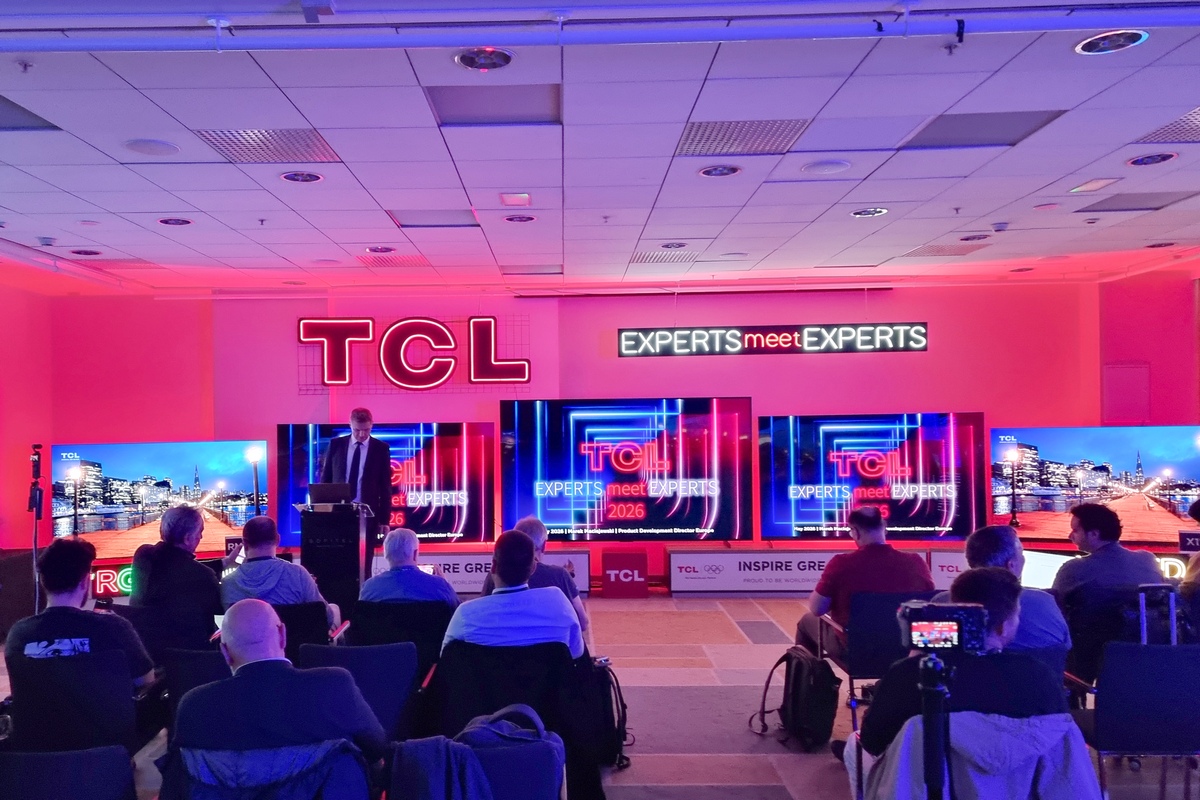
Not your ordinary launch
TCL Experts Meet Experts 2026 was not an ordinary product launch or press event, but a seminar strongly focused on experts and technology. The key difference from many manufacturer events was its openness. Products were not presented through ready-made marketing presentations or guided demos, but the solutions behind them could be discussed directly with TCL’s technical experts.
Among the highlights were panel technology, the Mini LED backlight structure, local dimming, color reproduction, image processing, gaming functions, and audio solutions developed alongside televisions. The event also provided the opportunity to view the products through technical demos, comparisons, and measurements.
From the perspective of AVPlus, the event changed the image of TCL. The manufacturer is known to many primarily for its large and competitively priced televisions, but in Warsaw the other half was emphasized: TCL is strongly investing in Mini LED technology, backlight management, color reproduction, and image processing. The event reinforced the impression of a manufacturer that aims to compete in Europe not only with technological expertise but also with price.
The European TV market is growing in size, not in numbers
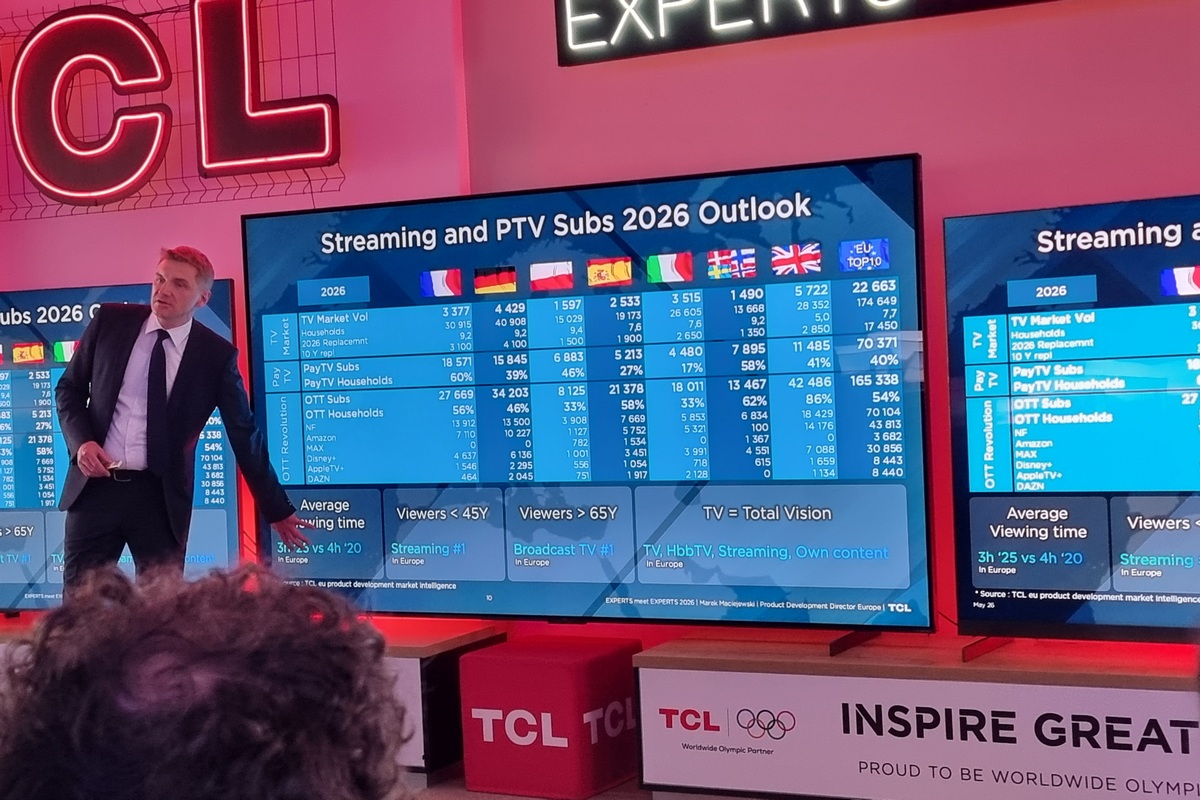
TCL’s presentations highlighted the transformation of the European television market. According to the figures presented at the manufacturer’s event, the European TV market is relatively stable in terms of volume: the annual volume is approximately 31.5 million televisions, and no significant volume growth is expected for 2026. The change, however, is taking place within the market itself. Screen sizes are increasing, smart TVs are already mainstream, and UHD resolution has become established in higher-end categories.
According to TCL, the share of Smart TV models in the European market is approximately 90 percent, and that of UHD TVs is approximately 67 percent. In Germany, Poland, and the Nordic countries, televisions measuring 55 inches and larger already account for more than half of sales volume. At the same time, very large TVs, measuring 98 inches and larger, are growing as a separate category.
The focus is also shifting in backlight technology. TCL estimates that Mini LED will overtake OLED in terms of units sold on the European market by 2026. According to the manufacturer, the share of OLED is approximately nine percent of the market, while growth in the price range of over 750 euros is particularly focused on Mini LED models.
From the manufacturer's perspective, the growth of Mini LED is primarily based on scalability. The technology can be used in multiple sizes and price points, whereas the manufacturing of OLED panels in large screens remains expensive. This does not automatically make Mini LED better than OLED, but it explains why manufacturers are investing heavily in the development of LCD-based premium TVs.
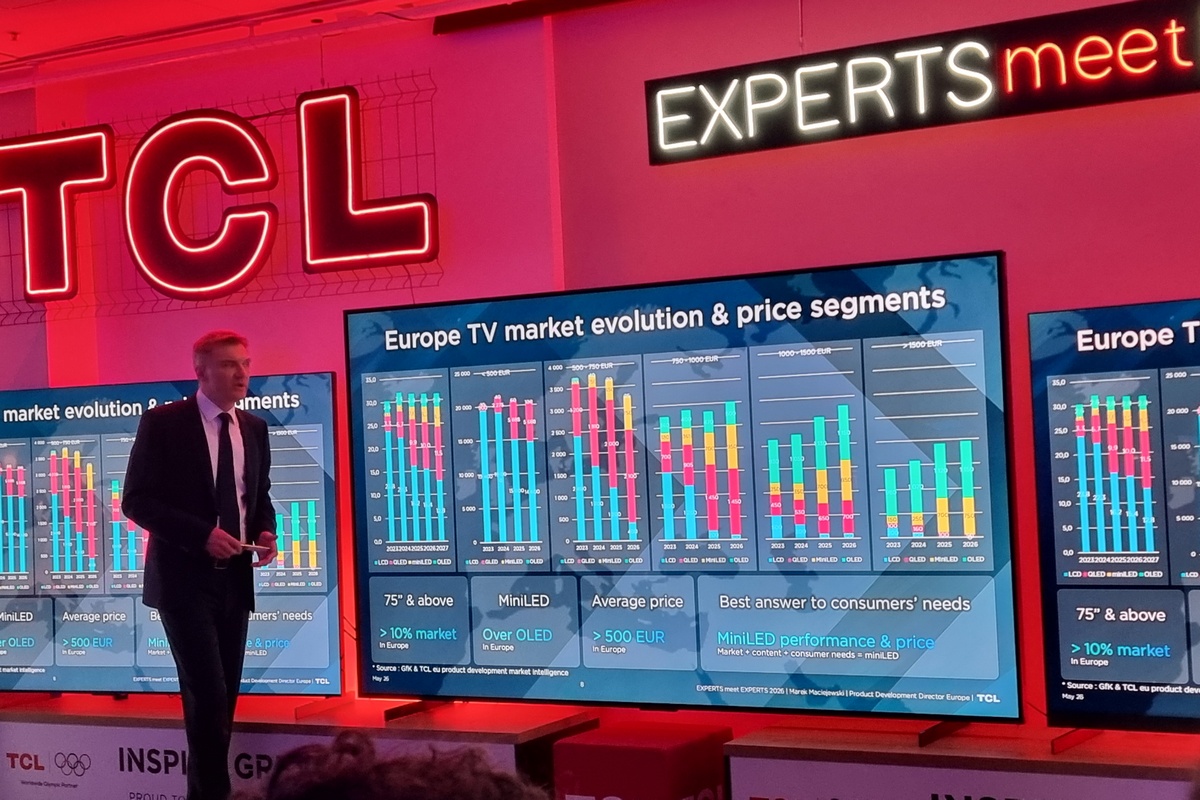
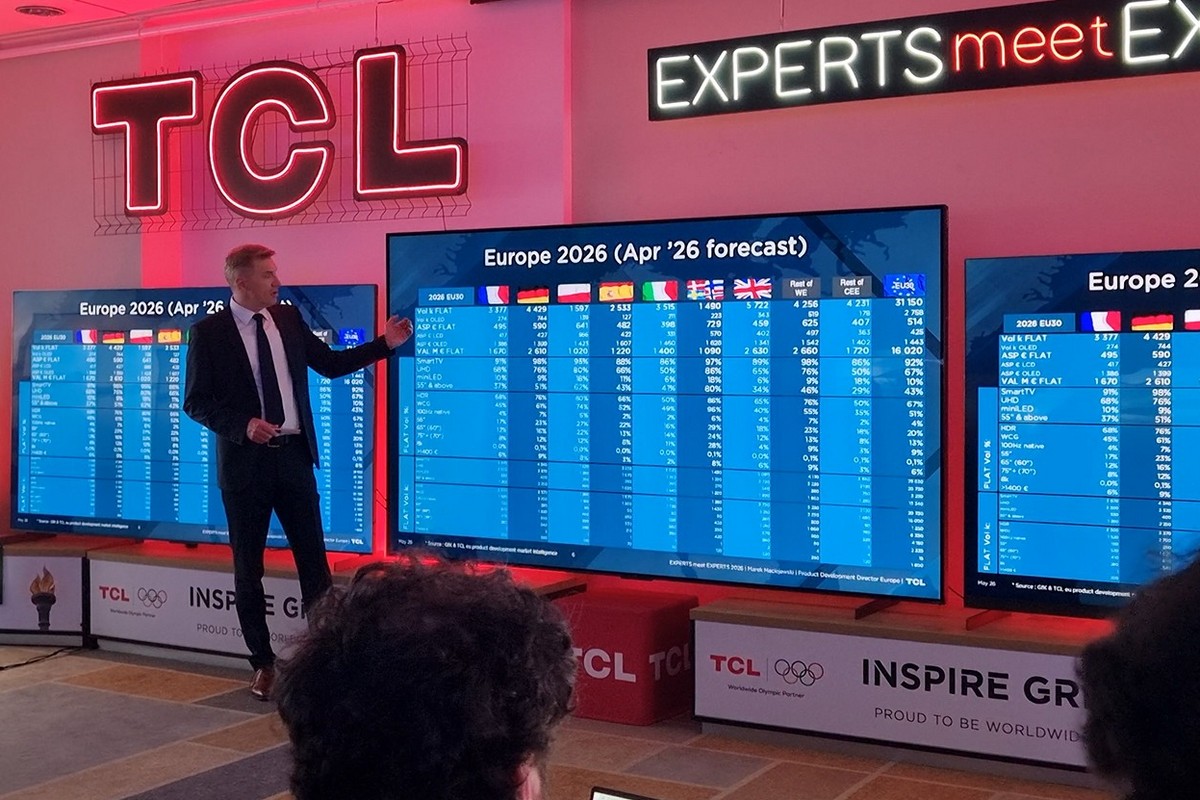
TCL also highlighted the viewing distance and screen size issues. Large screens are not just about aesthetics; they also relate to how the resolution of 4K and UHD content is displayed from a normal viewing distance. The event material illustrated that a 65-inch TV at a viewing distance of three meters can practically only display a resolution of 1080p, while larger sizes ranging from 98 to 130 inches take advantage of the same distance for a wider field of view.
TVs are used differently than in test laboratories
TCL’s message was also broader: televisions are no longer designed only for traditional TV broadcasting. The same display can function in streaming, gaming, sports, movies, and as a general entertainment hub in the home. This places different demands on image processing, as the television must be able to handle both compressed SDR and 1080p content as well as more demanding HDR material.
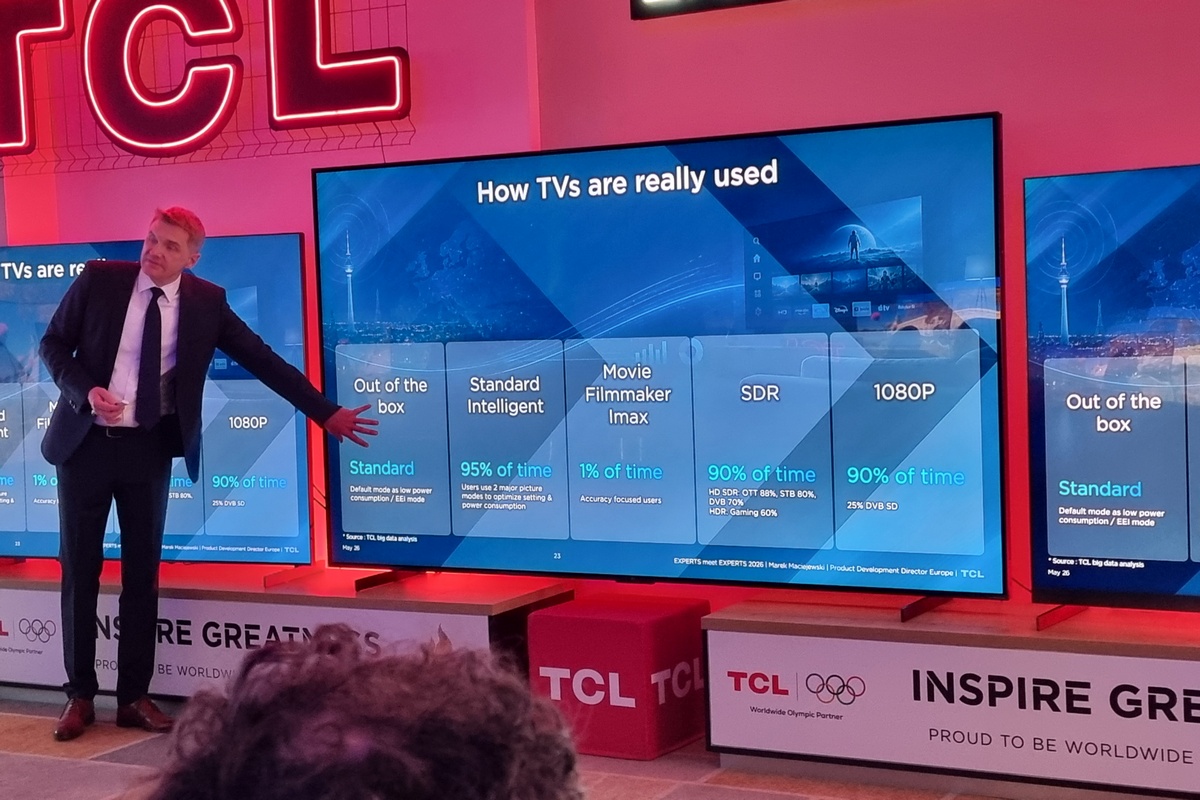
The event material also highlighted how televisions are actually used. According to TCL, the majority of viewing time still takes place in standard or smart picture modes, while the types of resolution-focused settings such as Movie, Filmmaker, and IMAX only account for a small portion of usage. Additionally, the manufacturer estimates that approximately 90 percent of the content viewed remains in SDR and 1080p formats.
This very well explains why TCL talks so much about scaling, noise reduction, HDR color mapping, and dynamic image processing. If a large portion of the content is not natively in 4K HDR, the television's actual performance depends heavily on how it handles the weaker source material.
Own panel production as part of the overall project
At the event, TCL highlighted its own panel manufacturing through TCL CSOT. According to the manufacturer, this allows it to have a deeper influence on the design of the panel, backlight, and optical structure than usual. Presentations also discussed various display technologies, such as OLED, QD-OLED, SQD-Mini LED, RGB-Mini LED, Micro LED, and inkjet-printed OLED.
The current focus of TCL’s consumer TVs is, however, clearly on Mini LED. The technical core of the event related to how the backlight is controlled, how the color space is expanded, and how local dimming works in practice. The event in Warsaw was interesting precisely because TCL showed not only the final image, but also the technical solutions on which the image is built.
Backlight visible
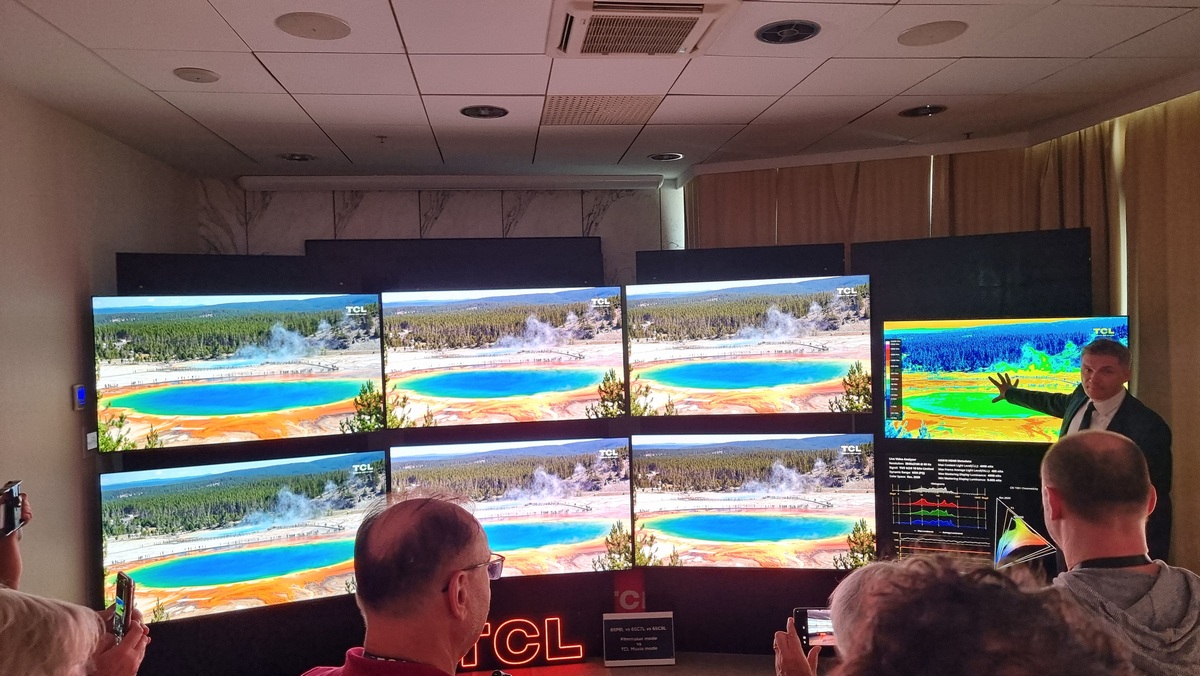
One of the most visually impressive demonstrations of the event was related to the Mini LED backlight and local dimming. In a normal television, the viewer only sees the final image, where the LCD panel, color filtering, backlight, and image processing work together. The backlight’s own function remains hidden.
TCL had built separate demo units for this purpose, in which the actual LCD panel was replaced with a dark glass or film. According to the material, the solution let through about five percent of the light. The intention was not to show the finished image of the television, but to illustrate how the Mini LED backlight and local dimming respond to the same image signal.
The normally assembled television next to it showed the same material as a ready-made image. This made it possible to compare two things: what the end result looks like to the viewer and what the backlight does to the background. The demo made it visible how bright objects, dark areas, and the motion of the image guide the different areas of the backlight.
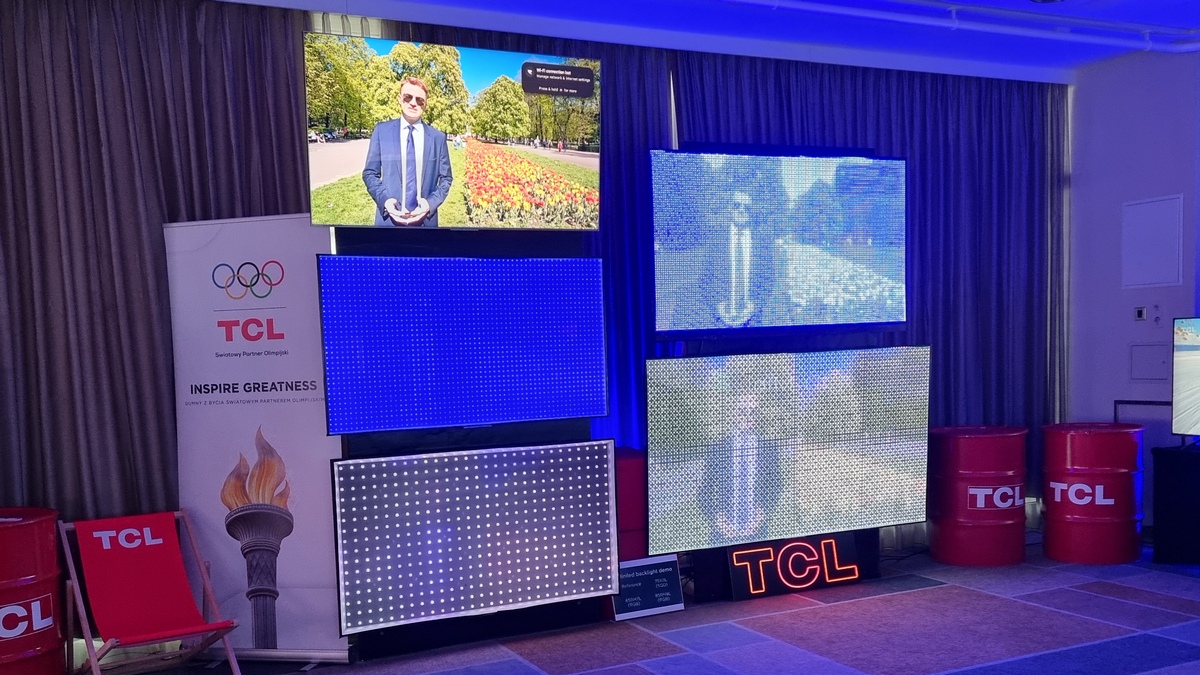
The significance of the Demon was that it concretized the work behind the image quality of the Mini LED TV. The number of dimming zones is only one part of the whole. It is also important how precisely the backlight is controlled, how well the light is directed to the correct points, and how the backlight function is coordinated with the LCD panel and the image processing.
SQD-Mini LED and RGB-Mini LED
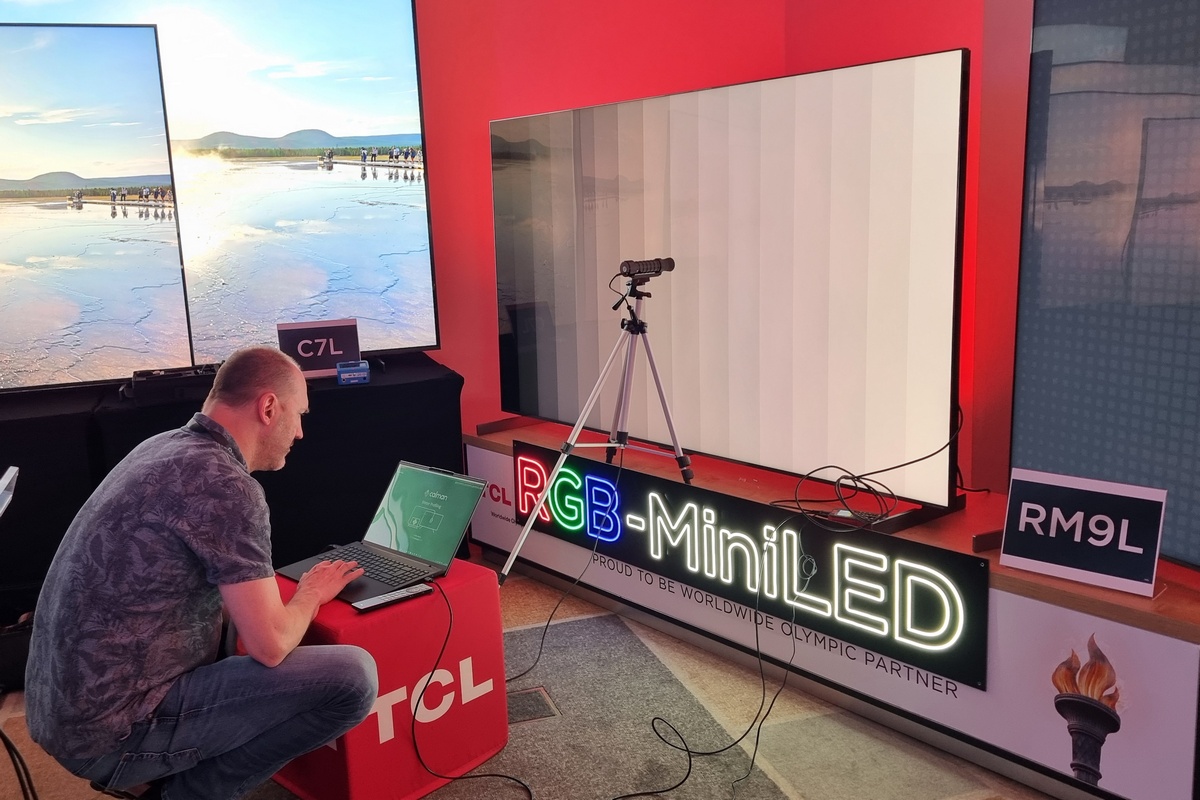
In the 2026 lineup, TCL highlighted two Mini LED directions: SQD-Mini LED and RGB-Mini LED. Both aim for better color reproduction, higher brightness, and more precise light management, but the implementation method is different.
The SQD-Mini LED is a Mini LED solution that uses TCL's quantum dots. According to the manufacturer, its advantages include a large range of dimming zones, a wide color gamut, and a thin optical structure. The RGB Mini LED backlight is based on separate red, green, and blue LEDs. This aims to achieve wide color reproduction directly at the backlight level, but the structure also has its own technical requirements.
In TCL’s presentations, the SQD-Mini LED was presented as the manufacturer’s primary solution for consumer televisions. The reasons cited included the number of dimming zones relative to the price, the stability of the blue LEDs, and the thinner optical structure. The RGB Mini LED, on the other hand, was seen as an interesting alternative, but its implementation requires more space for light mixing and, according to the manufacturer, imposes additional requirements on heat and color management.
The interesting thing about this event was that these solutions were not just presented as models, but the structural differences were also demonstrated through practical demos. This helped to understand why two Mini LED TVs can perform differently in terms of image quality, even though they both belong to the same basic technology category.
The QLED controversy adds its own nuance to the story
The TCL SQD-Mini LED terminology comes at an interesting time, as the marketing of quantum dot technology also involves a broader background. In Germany, TCL has been in a legal dispute with Samsung over the use of the term QLED in certain previous television models. According to public reports, the Munich court found that TCL’s German subsidiary had violated the country’s anti-monopoly law by marketing certain models as QLED TVs.
However, this should not be confused with the TCL 2026 SQD-Mini LED models. According to reports, the dispute concerned certain previous QLED models and their marketing, not automatically the new SQD-Mini LED technology. TCL has also denied the allegations, and public reports have referred to various test results and interpretations.
From an article perspective, this is still an essential background note. It reminds us that the marketing terms for consumer televisions are not always unambiguous technical definitions. QLED, Mini LED, RGB-Mini LED, and SQD-Mini LED sound like technically equivalent categories, but the practical implementation can vary significantly depending on the model and manufacturer. Therefore, the Warsaw technical demos were interesting: in them TCL sought to show what the new terms actually mean in practice.
Color space became a key theme
Regarding color reproduction, TCL highlighted the Rec.2020 color space. This is interesting because in consumer televisions, the debate has long revolved around the DCI-P3 color space. According to TCL, however, properly mastered HDR content already has color information that exceeds Rec.709 and, in some cases, even DCI-P3.
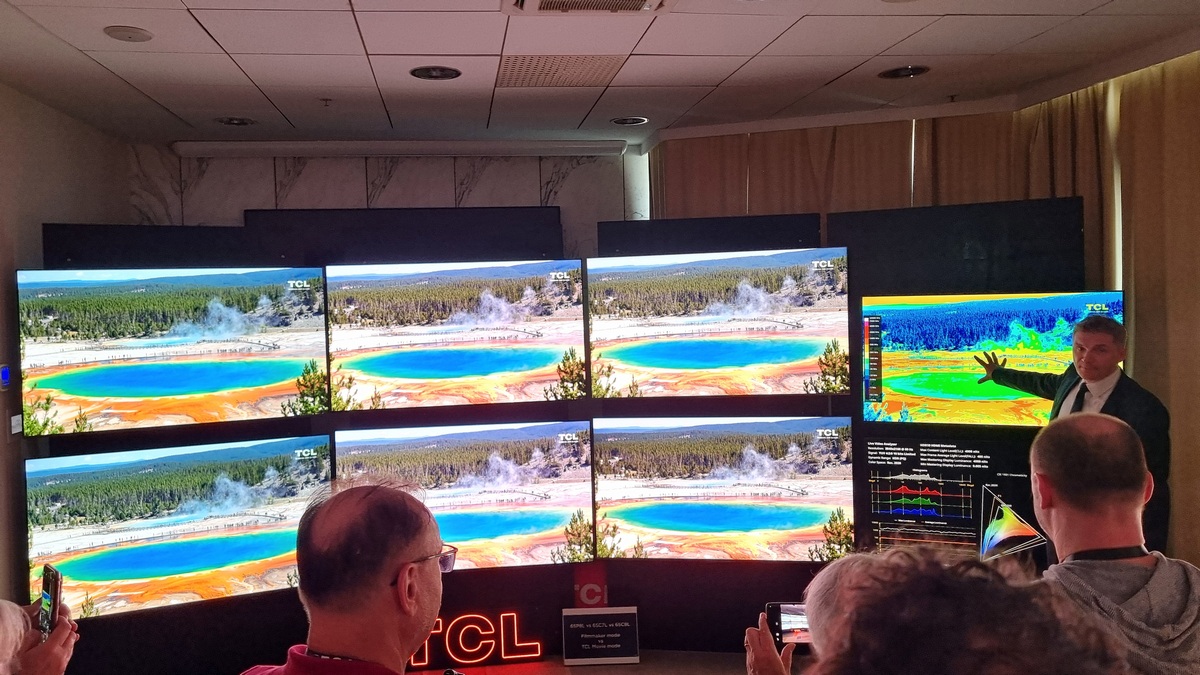
This was illustrated using the HDR analyzer and zebra markings. The markings displayed on the screen showed where the colors in the image exceeded the Rec.709 or DCI-P3 range. The purpose of the demo was to demonstrate that a wide color space is not only necessary for artificially over-saturated demo material, but can also be found in real HDR content.
According to TCL, the Rec.2020 coverage in the 2026 C8L model has increased compared to the previous year. The manufacturer added the improvement to the new color filter, which aims to reduce the leakage between the blue and green color channels. At the same time, TCL also introduced a compromise: the new filter reduces light transmission, which is why more power is required for the backlight.
This well illustrated the fundamental problem of television design. Better color reproduction, higher brightness, lower power consumption, and thinner construction do not improve simultaneously without compromising any one aspect. Improving one aspect often directly affects another.
Photo processing for practical viewing
TCL also spent a lot of time on image processing in its presentations. The company emphasized that the real-time processing of television is fundamentally different from the post-production of film production. The television operates with limited power consumption and heat generation, but it still has to process HDR signals, noise reduction, scaling, motion compensation, color reproduction, and local dimming in real time.
Especially in HDR processing, the difference between Filmmaker Mode and TCL Movie Mode became apparent. Filmmaker Mode aims to preserve the original image quality as much as possible and bypass some of the image enhancement functions. TCL Movie Mode, on the other hand, can use dynamic tone mapping and other processing to make the image easier to follow in a typical viewing environment.
Tätä havainnollistettiin väärävärianalyysillä, jossa kuvan eri kirkkaustasoja näytettiin värikarttana. Hyvin tummaksi masteroidussa HDR-sisällössä Filmmaker Mode voi näyttää referenssiajattelun kannalta oikealta, mutta tavallisessa olohuoneessa lopputulos voi olla liian tumma. Dynaaminen sävykartoitus voi nostaa keskisävyjä ja parantaa näkyvyyttä ilman, että kirkkaat huiput välttämättä leikkautuvat.
Tämä ei tarkoita, että toinen tila olisi yksiselitteisesti parempi. Kyse on käyttötarkoituksesta. Referenssikatseluun Filmmaker Mode on perusteltu, mutta tavallisessa katseluympäristössä käsitellympi tila voi olla käytännöllisempi.
AI osana kuvaprosessointia
TCL:n aineistossa tekoäly ei esiintynyt pelkkänä markkinointisanana, vaan osana kuvaprosessoinnin rakennetta. Esityksessä vuoden 2026 televisioiden kuvankäsittely jaettiin useisiin lohkoihin: HDR-käsittelyyn, puhdistukseen, skaalaukseen, jälkikäsittelyyn, liikkeen käsittelyyn, mapping-vaiheeseen ja paikallishimmennykseen.
TCL:n mukaan tekoäly voi kuvatilasta riippuen joko suojata tarkkuutta tai parantaa heikompaa lähdemateriaalia. Filmmaker-tyyppisissä tiloissa osa parannuksista voidaan pitää pois päältä, jotta alkuperäistä kuvaa ei muuteta liikaa. Tavallisemmissa Movie- tai Standard-tiloissa prosessointia voidaan käyttää esimerkiksi kohinan vähentämiseen, yksityiskohtien palauttamiseen, syvyysvaikutelman vahvistamiseen, värivolyymin hallintaan ja paikallishimmennyksen ohjaukseen.
Tämä on olennainen ero perinteiseen “tekoäly parantaa kuvaa” -puheeseen. Käytännössä kyse on siitä, miten televisio päättää, milloin lähdemateriaalia pitää käsitellä ja milloin sen pitää antaa olla mahdollisimman koskemattomana. Hyvä prosessointi ei näy vain näyttävyytenä, vaan myös siinä, ettei kuva muutu keinotekoiseksi.
Paikallishimmennys ei ole vain alueiden määrä
Mini LED -televisioista puhuttaessa huomio kiinnittyy usein himmennysalueiden määrään. TCL:n esityksissä korostettiin kuitenkin myös taustavalon ohjauksen tarkkuutta. Valmistaja kuvasi paikallishimmennyksen prosessia niin, että kuvasignaali jaetaan sisäisesti LCD-paneelille menevään sisältökerrokseen ja LED-taustavaloa ohjaavaan luminanssikerrokseen.
TCL puhui myös 26-bittisestä ohjausarkkitehtuurista, jossa yhdistetään 10-bittinen tasavirtaohjaus ja 16-bittinen pulssinleveysmodulaatio. Tämän tarkoituksena on hallita sekä hyvin tummia sävyjä että erittäin kirkkaita kohokohtia mahdollisimman hallitusti.
Käytännössä tämä muistuttaa siitä, että Mini LED -television kuvanlaatu ei määräydy vain lukuarvoista. Himmennysalueiden määrä, LEDien ohjaustapa, algoritmit, optinen rakenne ja paneelin ominaisuudet muodostavat kokonaisuuden. Siksi kaksi samalla nimellisellä kirkkaudella tai samalla paneelityypillä varustettua televisiota voi näyttää käytännössä erilaiselta.
Vuoden 2026 mallisto
TCL:n vuoden 2026 televisiomalliston yläpäässä ovat X11L ja RM9L. X11L edustaa SQD-Mini LED -linjaa ja RM9L RGB-Mini LED -ratkaisua. Näiden alapuolelle sijoittuvat C8L ja C7L, joiden kautta TCL tuo Mini LED -tekniikkaa laajempaan premium- ja ylempään keskiluokkaan.
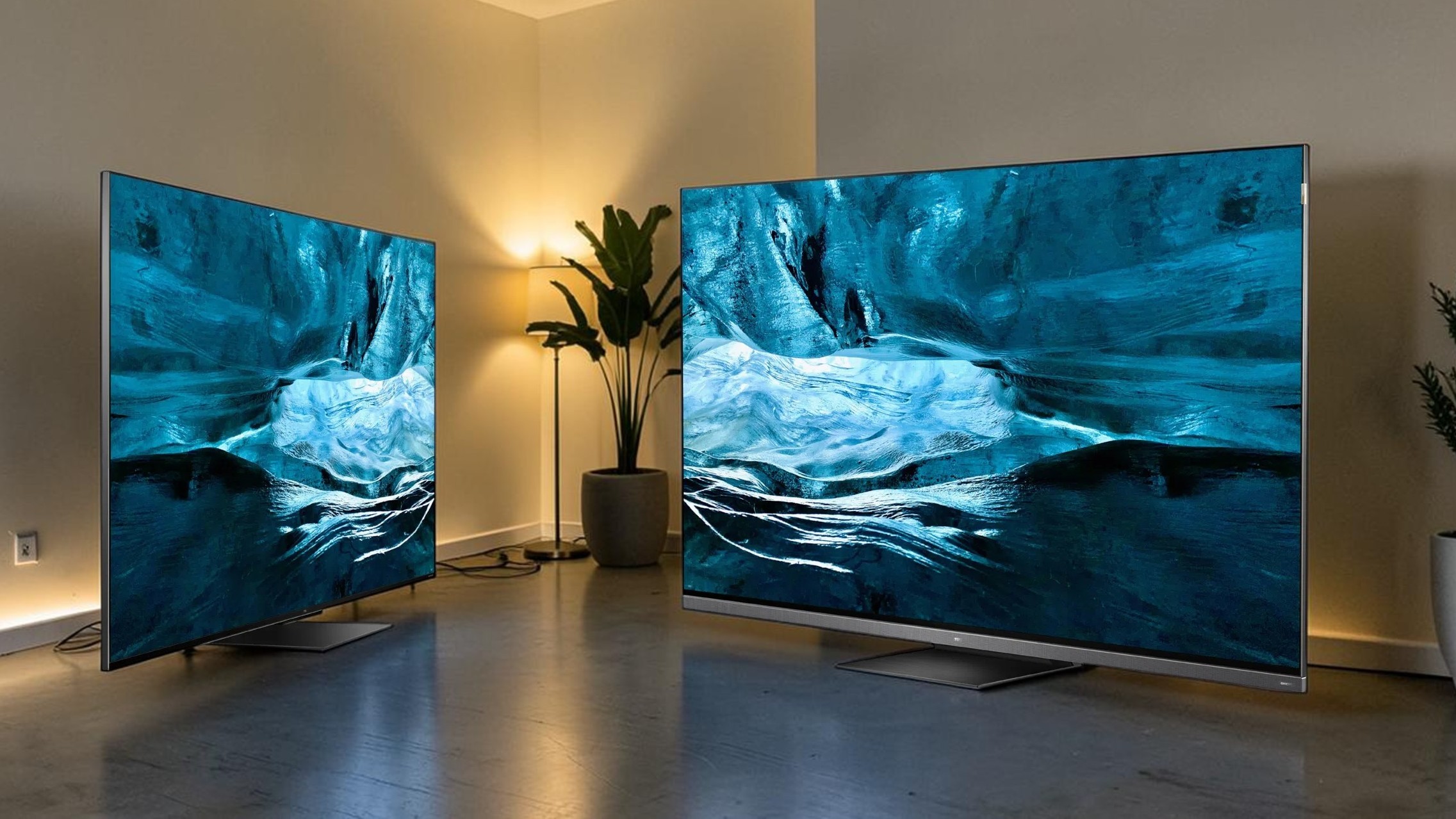
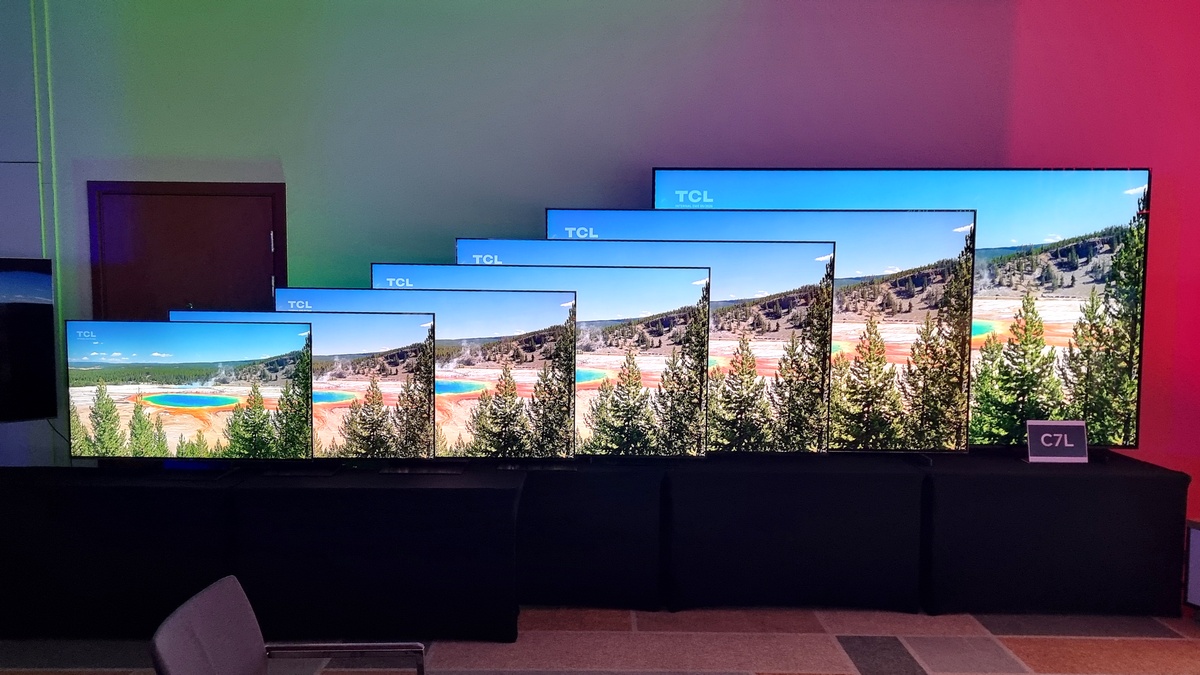 C8L oli tapahtumassa esillä erityisesti uuden värisuodattimen ja laajemman väriavaruuden kautta. C7L puolestaan esitettiin SQD-Mini LED -mallina, jossa valmistaja tavoittelee hyvää teknistä suorituskykyä saavutettavammassa hintaluokassa. Alempana mallistossa P8L ja P7L painottuvat enemmän pelaamiseen, korkeampiin virkistystaajuuksiin ja hinta-laatusuhteeseen.
Lisäksi TCL esitteli NXTVISION A400 -sarjaa, joka sijoittuu enemmän lifestyle- ja sisustustelevisioiden alueelle. Se kertoo siitä, että valmistaja ei rakenna mallistoaan vain kuvanlaadun teknisten ääripäiden varaan, vaan pyrkii kattamaan myös sisustuksellisesti kevyempiä käyttötarpeita.
TCL:n strategia vaikuttaa malliston perusteella selvältä. Yhtiö ei halua jättää Mini LEDiä vain lippulaivamallien tekniikaksi, vaan levittää sitä useampaan hintaluokkaan ja käyttötarkoitukseen.
FlexConnect voi olla äänipuolen kiinnostavin avaus
Televisioiden rinnalla TCL esitteli myös uusia soundbar-ratkaisuja. Muun muossa todella kompakti A65K -soundbar.
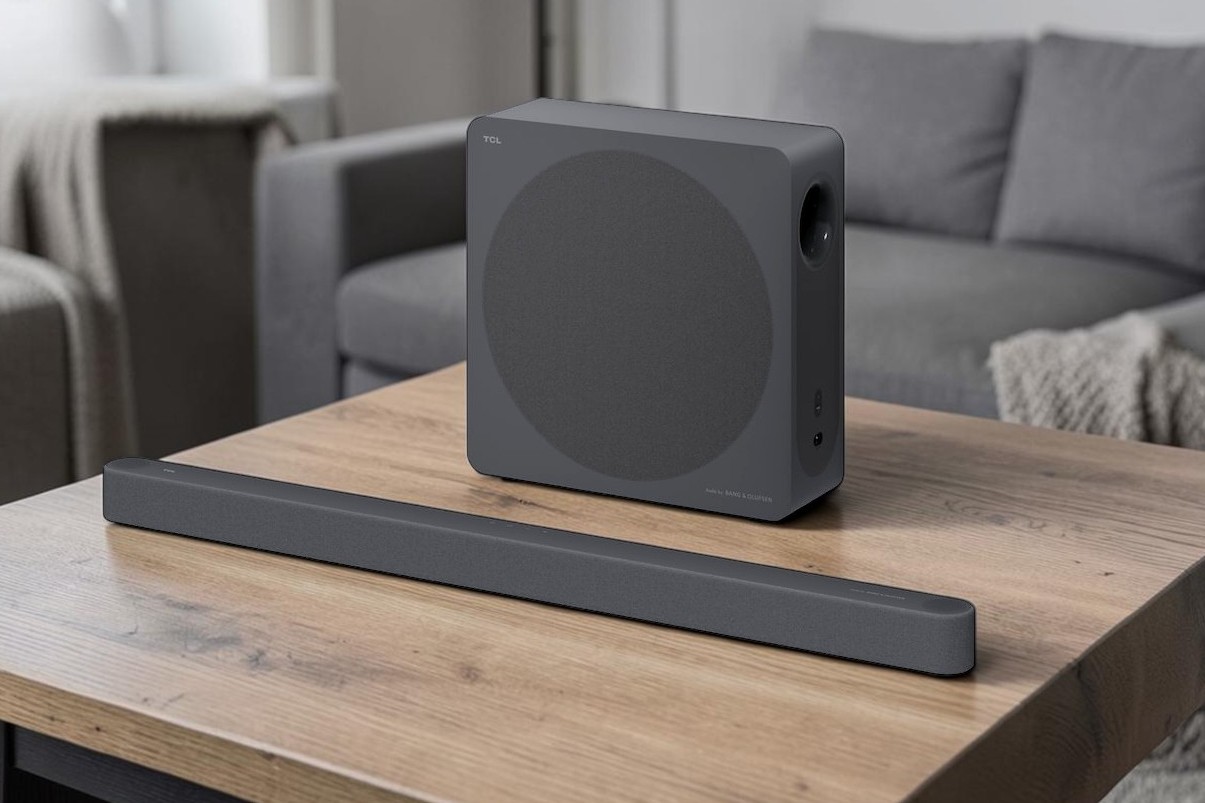
TCL:n äänipuolen kiinnostavin avaus oli kuitenkin Dolby Atmos FlexConnectiin perustuva Z100-kokonaisuus, koska siinä televisio, langattomat kaiuttimet ja subwoofer muodostavat yhdessä huoneeseen mukautuvan järjestelmän.
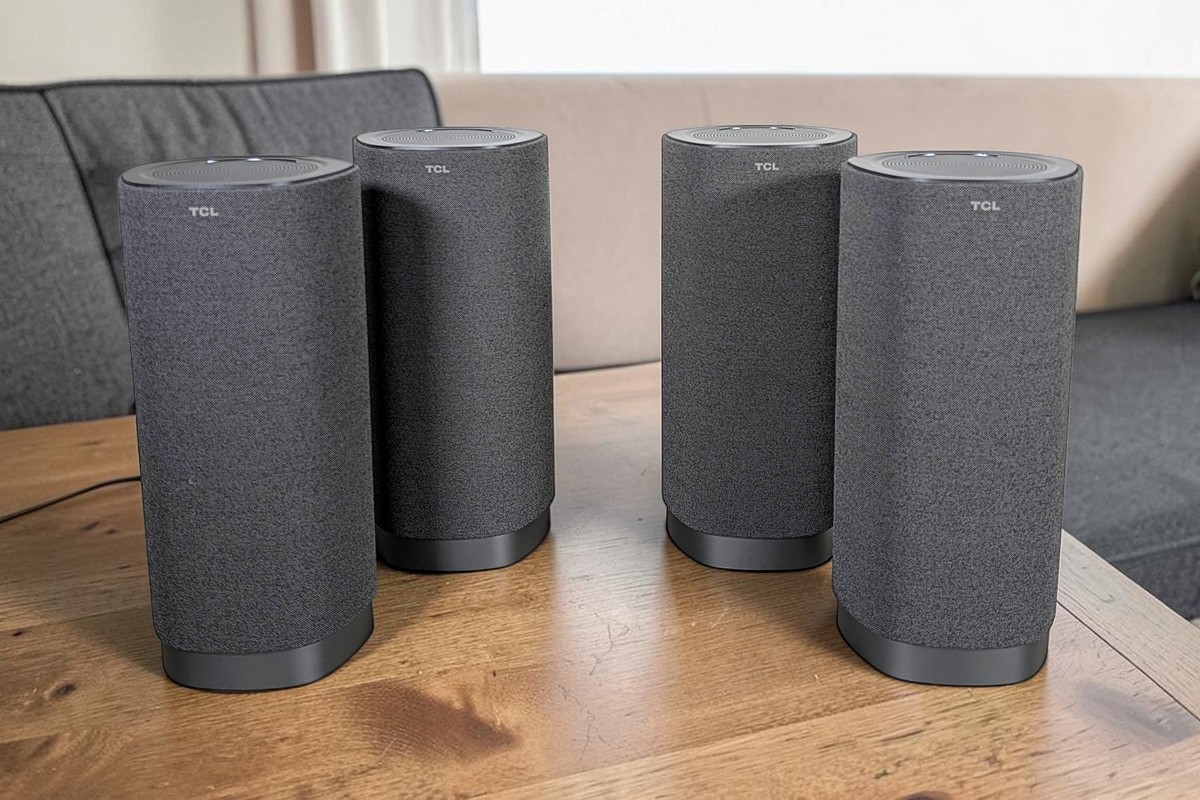
Demossa 85-tuumainen X11L oli yhdistetty langattomasti neljään Z100-satelliittikaiuttimeen ja Z100-SW-subwooferiin.
FlexConnectin ajatus on, että televisio ei ole vain kuvan lähde, vaan myös äänijärjestelmää ohjaava keskus. TCL:n television kaiuttimet toimivat osana kokonaisuutta, ja langattomat Z100-kaiuttimet luovat surround-toiston. Järjestelmä jopa mittaa kaiuttimien sijainnin ja sovittaa viiveet ja toiston sen perusteella. Helppoa.
Tämä tekee FlexConnectista kiinnostavan myös siksi, että se haastaa perinteisen soundbar-ajattelun. Tavallisessa soundbar-järjestelmässä tilaääni rakennetaan usein yhden etukaiuttimen, langattoman subwooferin ja mahdollisten takakaiuttimien ympärille. FlexConnectissa televisio itse voi olla osa äänijärjestelmää, eikä vain äänen lähde. Se voi käyttää omia kaiuttimiaan, langattomia satelliitteja ja subwooferia yhtenä kokonaisuutena.
Käyttäjän kannalta konsepti sijoittuu soundbarin ja perinteisen av-vahvistinjärjestelmän väliin. Etuna on se, että huoneeseen voidaan sijoittaa erillisiä kaiuttimia ilman pitkää kaiutinkaapelointia ja erillistä vahvistinta. Samalla järjestelmä voi sovittaa kaiuttimien roolia niiden todellisen sijoituksen mukaan. Tämä on käytännössä eri ajatus kuin perinteinen kotiteatteri, jossa kaiuttimille määritellään tarkat kanavat ja paikat.
TCL:n nykyisessä demossa järjestelmä rakentui kuitenkin yhteensopivan TCL-television ympärille. Tämä rajaa konseptia, mutta avaa samalla kiinnostavan jatkokysymyksen: voisiko sama idea toimia myös soundbar-vetoisesti? Jos TCL:n soundbar toimisi FlexConnect-järjestelmän ohjaavana yksikkönä, televisio voisi lähettää äänen soundbarille HDMI eARCin kautta, ja soundbar voisi kalibroida Z100-kaiuttimet sekä subwooferin osaksi kokonaisuutta. Tällainen toteutus voisi tehdä järjestelmästä joustavamman myös käyttäjille, joilla ei ole yhteensopivaa TCL-televisiota.
TCL ei ole tällaisesta soundbar-pohjaisesta toteutuksesta tapahtuman perusteella antanut vahvistusta, joten nykyisessä muodossaan Z100/FlexConnect näyttää rakentuvan ennen kaikkea TCL:n omien yhteensopivien televisioiden ympärille. Julkisissa tuotetiedoissa Z100-kaiuttimien FlexConnect-toiminta kuvataan nimenomaan valittujen TCL-televisioiden kanssa toimivaksi kokonaisuudeksi, jossa TV tunnistaa kaiuttimien sijoittelun ja säätää äänen huoneen mukaan.
Dolby Atmos FlexConnect ei ole TCL:n oma termi, vaan Dolbyn kehittämä alusta langattomien Atmos-kaiutinratkaisujen toteuttamiseen. Tämä tekee aiheesta laajemmin kiinnostavan. Jos eri valmistajat alkavat toteuttaa FlexConnectia omissa ekosysteemeissään, seuraava kysymys liittyy yhteensopivuuteen: jäävätkö ratkaisut valmistajakohtaisiksi, vai syntyykö niistä laajemmin käytettäviä langattoman tilaäänen alustoja?
Mitä tapahtumasta jäi käteen?
TCL Experts Meet Experts 2026 antoi TCL:stä aiempaa teknisemmän ja avoimemman kuvan. Valmistaja ei tyytynyt esittelemään valmiita tuotteita, vaan pyrki näyttämään, miten kuvanlaatu rakentuu taustavalon, paneelin, väritoiston, kuvankäsittelyn ja äänen yhteisvaikutuksena.
Erityisesti Mini LED -taustavalon demot olivat hyödyllisiä, koska ne tekivät näkyväksi normaalisti piiloon jäävän osan television toiminnasta. Niiden kautta oli helpompi ymmärtää, miksi paikallishimmennys, taustavalon tarkkuus ja optinen rakenne ovat kuvanlaadun kannalta yhtä tärkeitä kuin paneelityyppi tai huippukirkkaus.
Tapahtuma vahvisti myös sen, että televisiomarkkinan kilpailu ei ole enää yksinkertaisesti OLED vastaan LCD. Yhtä tärkeäksi nousee se, miten valmistajat hallitsevat valoa, väriä, kuvaprosessointia ja käytännön katseluympäristöjä. TCL:n vuoden 2026 mallisto rakentuu juuri tämän ajatuksen ympärille: SQD-Mini LED, RGB-Mini LED, laajemmat väriavaruudet, dynaaminen HDR-käsittely ja langattomat ääniratkaisut muodostavat kokonaisuuden, jolla valmistaja hakee aiempaa vahvempaa asemaa premium-luokassa.
QLED-kiista antaa tälle taustalle oman lisäsävynsä. Se muistuttaa, että näyttötekniikan nimillä on merkitystä vain, jos niiden takana on selkeä ja todennettava tekninen sisältö. Varsovan tapahtumassa TCL pyrki juuri tähän: näyttämään, mitä uudet Mini LED - ja kvanttipisteratkaisut käytännössä tarkoittavat.
Äänipuolella FlexConnect jäi tapahtumasta mieleen yhtenä kiinnostavimmista avauksista. Se ei ole vain uusi langaton kaiutinlisä, vaan mahdollinen askel kohti joustavampaa kotiteatteria, jossa televisio, langattomat kaiuttimet ja subwoofer muodostavat huoneeseen mukautuvan kokonaisuuden. Nykyisessä muodossaan ratkaisu näyttää vielä vahvasti TCL-televisioihin sidotulta, mutta perusidea on kiinnostava: se voi tarjota laajemman tilaäänikokemuksen ilman perinteisen kotiteatterijärjestelmän kaapelointia ja laitemäärää.
Lopullinen arvio yksittäisistä tuotteista syntyy vasta perusteellisissa testeissä. Varsovan perusteella TCL haluaa vuonna 2026 tulla nähdyksi ennen kaikkea markkinoiden teknisenä haastajana.
Lisätietoja. https://www.tcl.com/fi/fi
Most read today
Latest
Subscribe to the newsletter
Subscribe to our newsletter and stay up to date with the latest news in technology and entertainment electronics.
Survey
Quiz
Nokia phones
Related Posts
Yamahan uusi edullinen R200A-viritinvahvistin luottaa perinteiseen stereoon – yllättäen ilman verkkosoitinta
Yamaha tuo markkinoille uuden R200A-viritinvahvistimen, joka on ominaisuuksiltaan yllättävänkin perinteinen. Noin 369 euron hintainen stereovahvistin sisältää AM/FM-radion, levysoitintulon ja Bluetoothin,...
Langalliset kuulokkeet tekevät paluuta – Bosen uusi USB-C-malli tarjoaa vastamelun ilman akkua
Langattomat nappikuulokkeet hallitsevat markkinoita, mutta johto on tekemässä yllättävää paluuta erityisesti nuorempien käyttäjien keskuudessa. Nyt trendiin tarttuu myös Bose, joka...
Legendaarinen Winamp tekee taas paluun – uusi soitin yhdistää suoratoiston ja oman MP3-kokoelman
Monelle MP3-aikakaudelta tuttu Winamp yrittää jälleen paluuta. Vuoden 2027 alkupuoliskolla julkaistava uusi Winamp Player yhdistää saman käyttöliittymän alle maksullisen suoratoistopalvelun,...
Uusi mielenkiintoinen tulokas planaarikuulokkeisiin – 499 euron FiiO FT15 101 mm elementeillä
FiiO laajentaa avoimien planaarikuulokkeidensa valikoimaa uudella FT15-mallilla. Uutuuden keskeisiä ratkaisuja ovat suuret 101 millimetrin planaarielementit, vain 800 nanometrin paksuinen timanttipinnoitettu...
QUESTION: How much are you willing to pay for a phone?
The development of phones has also changed the differences in price categories. Previously, features seen only in expensive models are now found in even cheaper phones. Therefore, the question is not...
Cayin Jazz 70 – genuine tube sound and style at a reasonable price
The tube amplifier doesn't need to cost several thousand euros. The new Jazz 70 from Cayin brings classic EL34 tube technology, visible tubes, analog meters, and hand-crafted controls...
 Suomi
Suomi  English