
Yamaha expands its AV amplifier lineup with the RX300A and RX500A models
Uutuusmallit sijoittuvat Yamahan kotiteatterivahvistimien valikoimaan eri tasoille: RX300A tarjoaa 5.2-kanavaisen lähtökohdan, kun taas RX500A laajentaa kokonaisuuden 7.2-kanavaiseksi ja lisää mukaan verkkosuoratoiston.

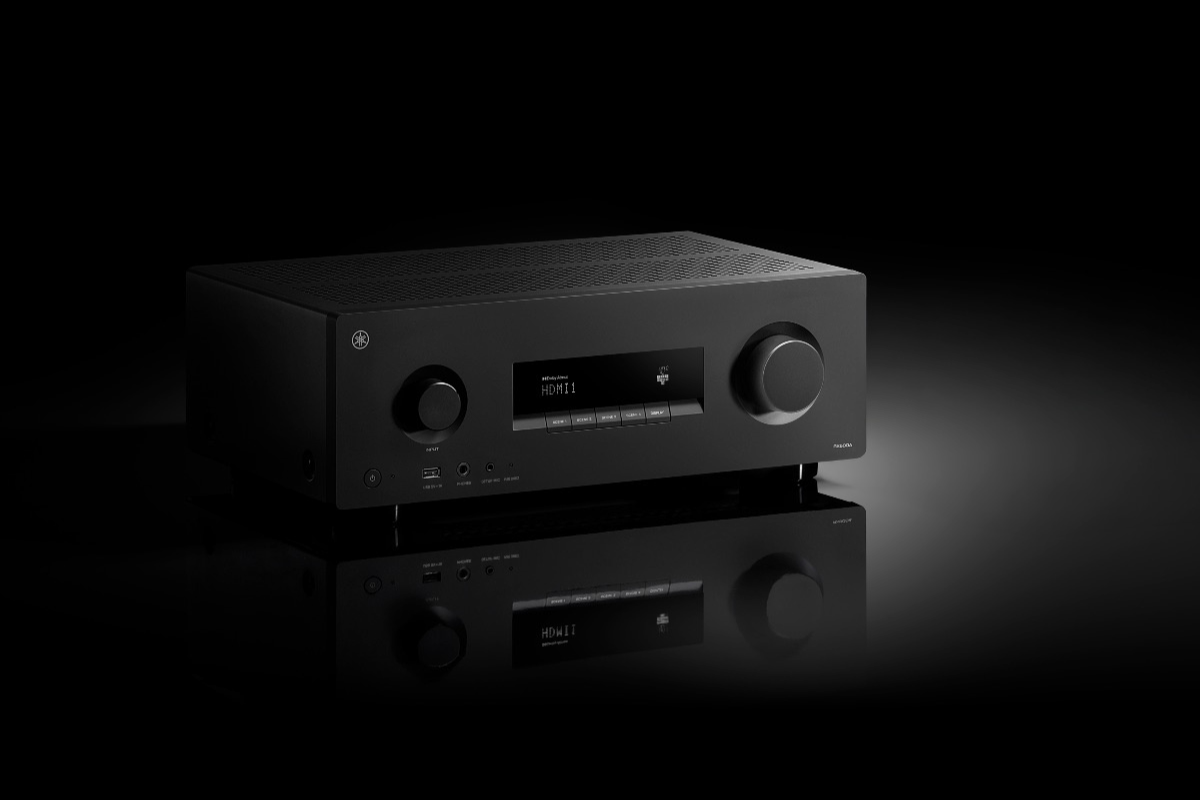
Mallien erot näkyvät kanavamäärissä ja suoratoistossa
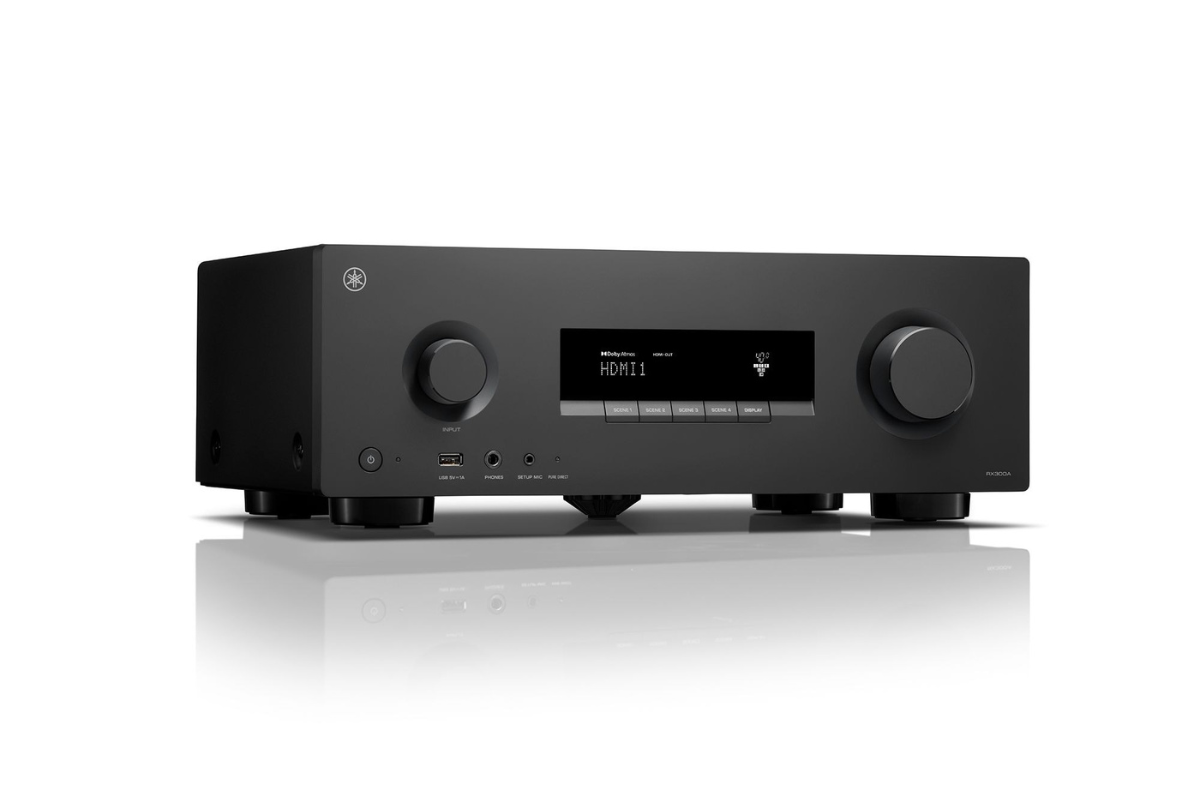
RX300A toimii malliston edullisempana vaihtoehtona. Siinä on 5.2-kanavainen rakenne, viisi vahvistinkanavaa ja kaksi subwoofer-esilähtöä. Dolby Atmos -käyttöä varten vahvistin tukee myös joustavia kaiutinasetteluja, joissa tilaääntä voidaan toteuttaa joko virtuaalisilla korkeusefekteillä tai kattokaiuttimilla ja ylöspäin suuntaavilla kaiuttimilla. RX300A:n tuotetietojen mukaan tehoa ilmoitetaan 70 wattia kanavaa kohti kahden kanavan ajossa kahdeksan ohmin kuormalla.
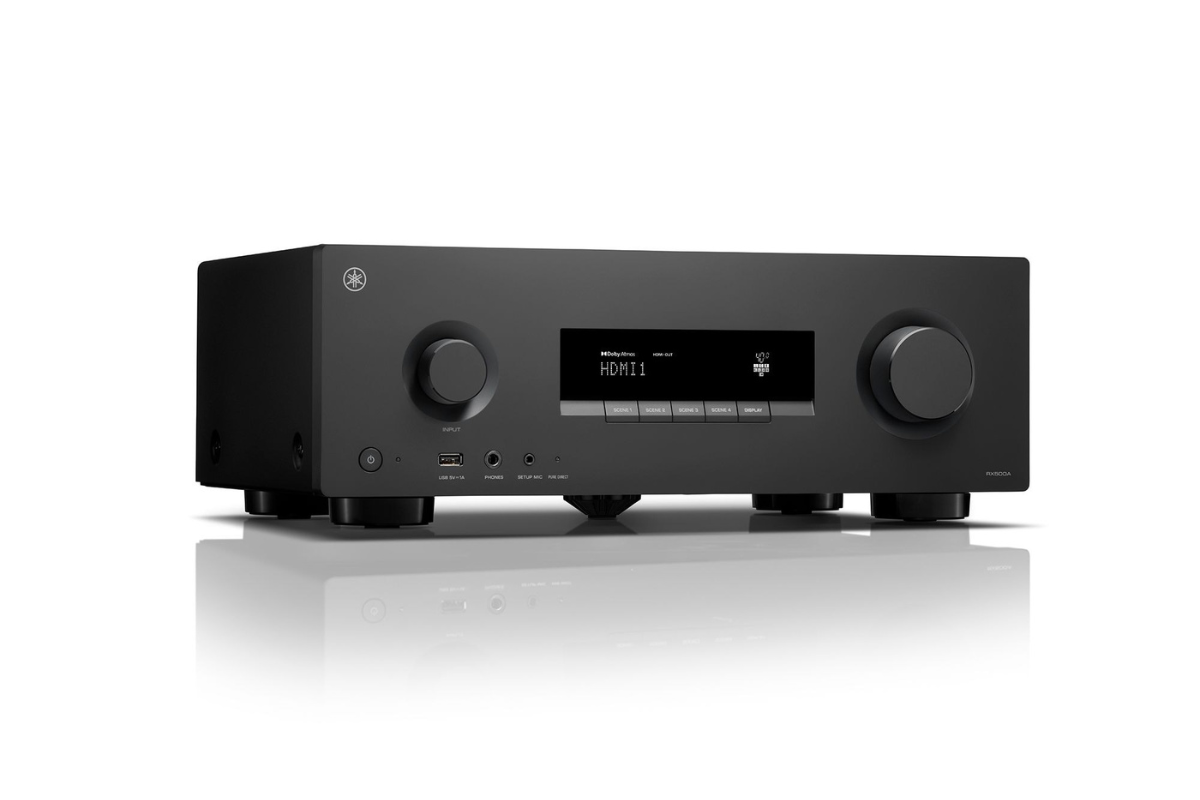
RX500A vie kokonaisuuden pidemmälle 7.2-kanavaisella rakenteella. Sen avulla voidaan rakentaa esimerkiksi 5.2.2-kaiutinasettelu, jossa mukana ovat myös korkeussuunnan kanavat. RX500A tukee Dolby Atmosin lisäksi DTS:X-tilaääntä, ja sen laajempi formaattituki näkyy myös DTS-HD Master Audion ja DTS Neural:X:n kaltaisissa ominaisuuksissa.
Selkein käytännön ero mallien välillä löytyy kuitenkin suoratoistosta. RX300A:ssa langaton toisto perustuu Bluetooth 5.3 Multipoint -yhteyteen, jonka kautta voidaan parittaa kaksi laitetta ja vaihtaa niiden välillä. RX500A lisää tähän Wi-Fi- ja Ethernet-yhteydet sekä tuen Spotify Connectille, Google Castille, AirPlay 2:lle, Tidal Connectille, Qobuz Connectille, nettiradiolle ja podcasteille.
HDMI 2.1 ja eARC ovat mukana molemmissa
Molemmissa uutuuksissa on neljä HDMI-tuloa ja yksi HDMI-lähtö. HDMI eARC mahdollistaa television äänen palauttamisen vahvistimelle yhdellä kaapelilla, mikä helpottaa etenkin nykyisten älytelevisioiden, pelikonsolien ja suoratoistolaitteiden yhdistämistä samaan järjestelmään.
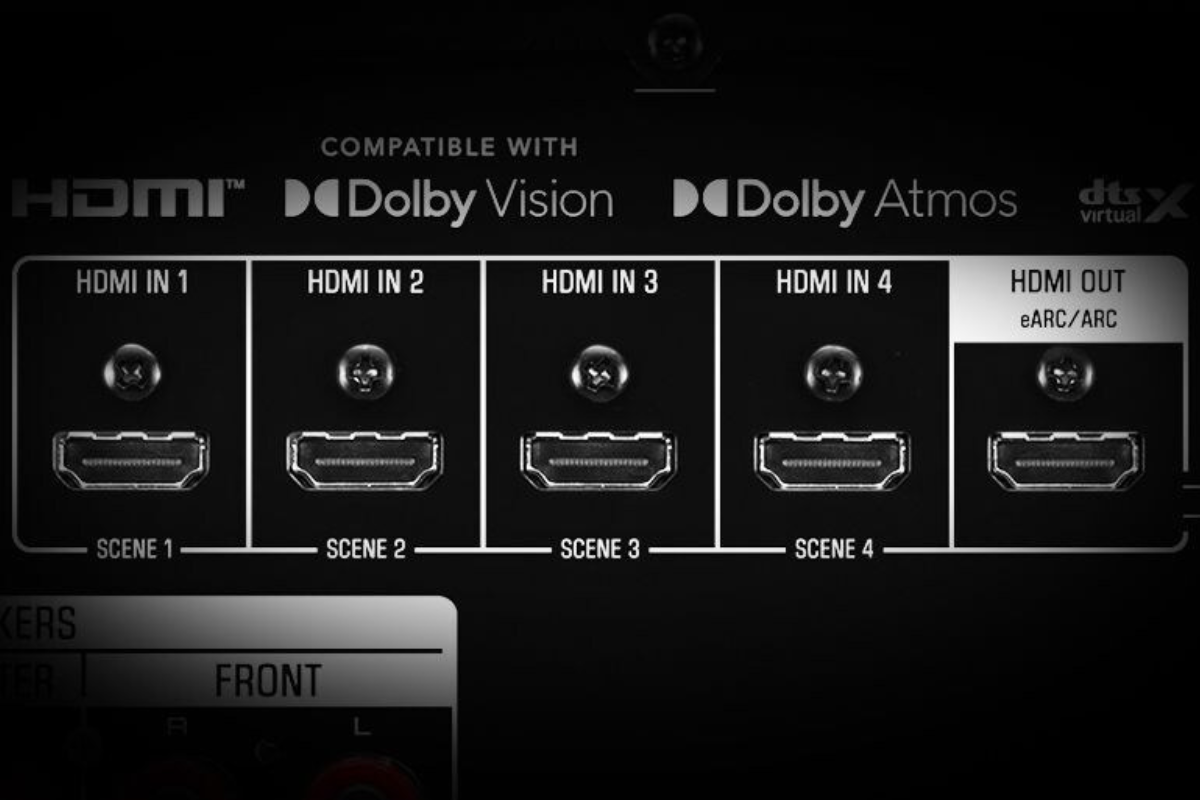
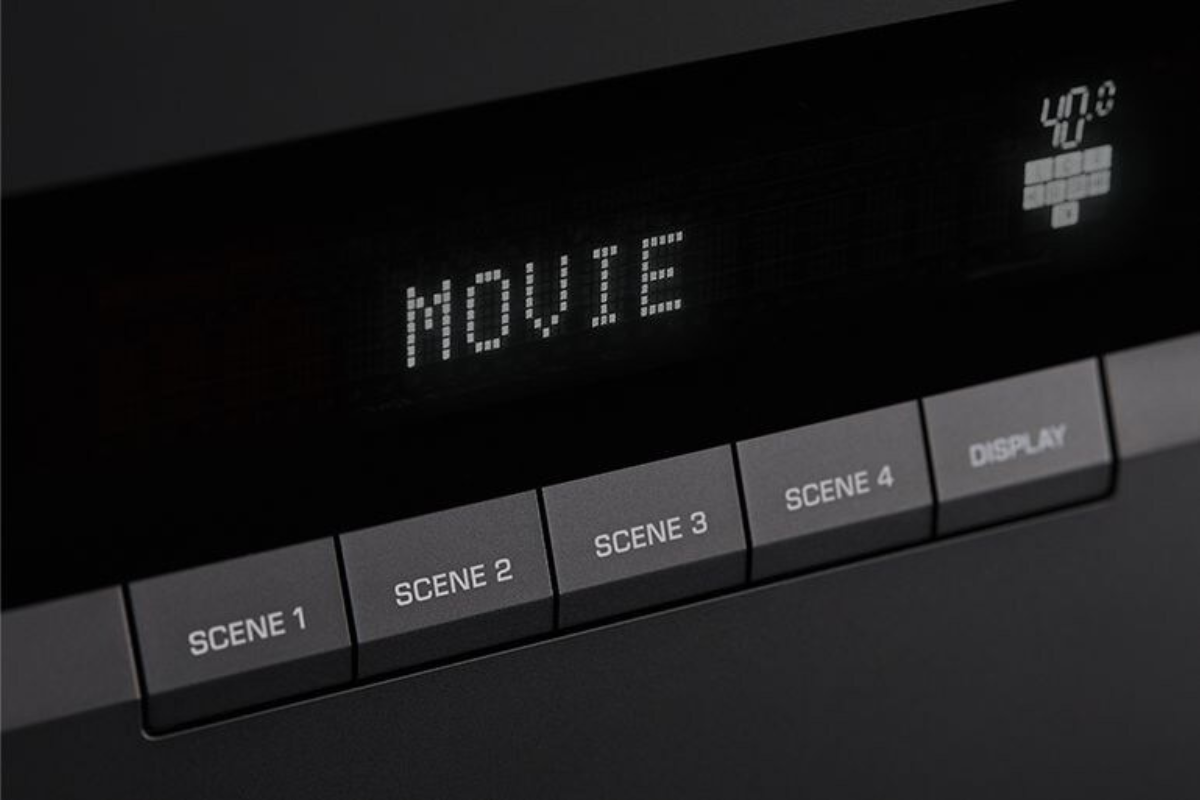
Liitäntöihin kuuluu HDMI:n lisäksi kaksi analogista RCA-tuloa, yksi optinen digitulo, yksi koaksiaalinen digitulo, kuulokelähtö, USB-liitäntä sekä FM-radio. AM-radiota ei tuotetietojen perusteella ole mukana. Molemmissa malleissa on myös Scene-painikkeet, joihin voidaan tallentaa neljä erilaista käyttötilannetta esimerkiksi elokuville, musiikille tai iltakäyttöön.
Huonekorjaus ja helppo käyttöönotto korostuvat
Yamaha on painottanut uutuuksissa helppoa käyttöönottoa. Mukana toimitettavalla mikrofonilla mitataan huoneen akustisia ominaisuuksia ja kaiutinkokoonpanoa, minkä jälkeen vahvistin optimoi toistoa automaattisesti. Tavoitteena on helpottaa kotiteatterin säätämistä ilman, että käyttäjän tarvitsee tuntea kaikkia tilaäänen teknisiä yksityiskohtia.
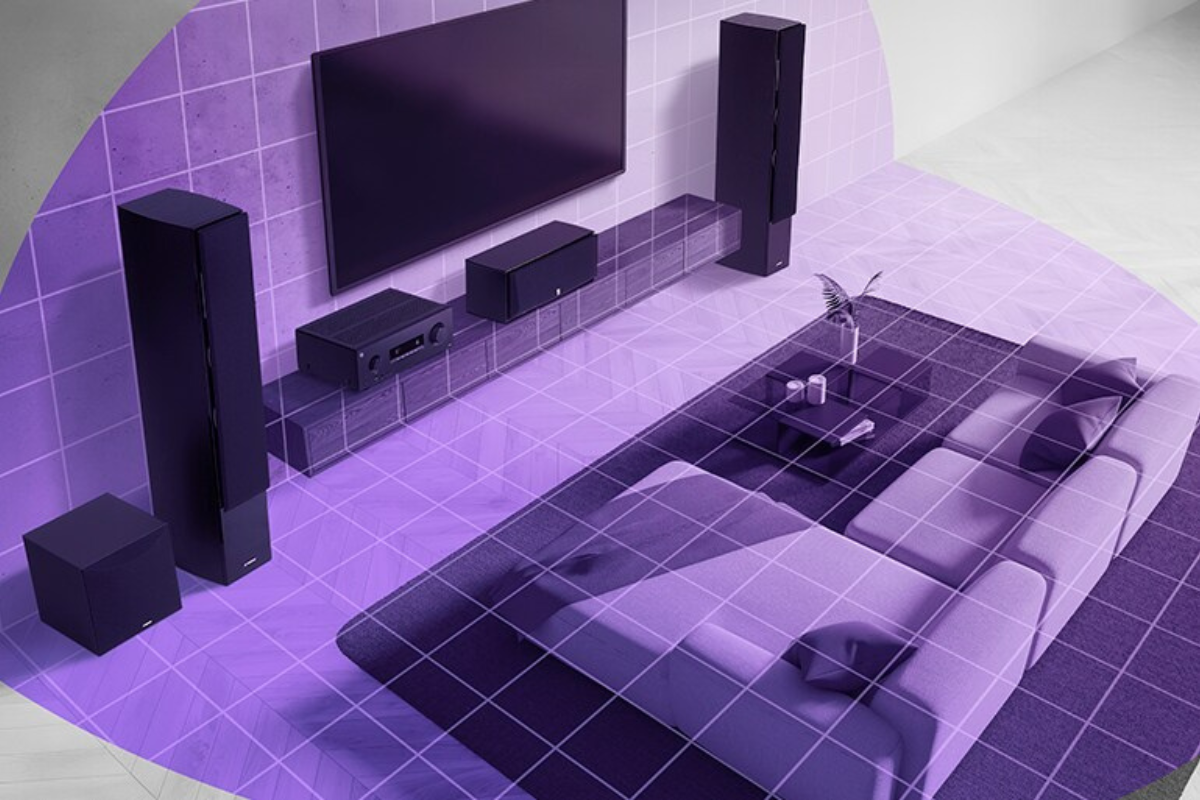
Näyttövalikoiden ja Quick Guide -opastuksen avulla käydään läpi kaiuttimien, television ja ulkoisten laitteiden kytkentä sekä tulojen valinta. Äänitiloista löytyvät muun muassa Pure Direct, Straight, Movie, All Channel Stereo, 2 Channel Stereo, Music ja Night.
Most read today

Latest
Subscribe to the newsletter
Subscribe to our newsletter and stay up to date with the latest news in technology and entertainment electronics.
Survey
Quiz
Nokia phones
Related Posts

Sony esitteli uudet highend-tason Walkmanit – ei tosiaankaan ihan halpoja
Vaikka musiikki kulkee nykyään lähes jokaisen taskussa älypuhelimen mukana, erillisillä kannettavilla musiikkisoittimilla on edelleen omat markkinansa erityisesti hifiharrastajien keskuudessa. Niissä...
Maailman radiot yhden klikkauksen päässä – Roulette Radio tekee kuuntelusta löytöretken
Nettiradio tuo kuunneltavaksi kymmeniätuhansia radiokanavia eri puolilta maailmaa. Mutta miten löytää kiinnostavaa kuunneltavaa valtavasta tarjonnasta? Ilmainen Roulette Radio tarjoaa tähän...
Yamahan uusi edullinen R200A-viritinvahvistin luottaa perinteiseen stereoon – yllättäen ilman verkkosoitinta
Yamaha tuo markkinoille uuden R200A-viritinvahvistimen, joka on ominaisuuksiltaan yllättävänkin perinteinen. Noin 369 euron hintainen stereovahvistin sisältää AM/FM-radion, levysoitintulon ja Bluetoothin,...

Langalliset kuulokkeet tekevät paluuta – Bosen uusi USB-C-malli tarjoaa vastamelun ilman akkua
Langattomat nappikuulokkeet hallitsevat markkinoita, mutta johto on tekemässä yllättävää paluuta erityisesti nuorempien käyttäjien keskuudessa. Nyt trendiin tarttuu myös Bose, joka...

Legendaarinen Winamp tekee taas paluun – uusi soitin yhdistää suoratoiston ja oman MP3-kokoelman
Monelle MP3-aikakaudelta tuttu Winamp yrittää jälleen paluuta. Vuoden 2027 alkupuoliskolla julkaistava uusi Winamp Player yhdistää saman käyttöliittymän alle maksullisen suoratoistopalvelun,...

Uusi mielenkiintoinen tulokas planaarikuulokkeisiin – 499 euron FiiO FT15 101 mm elementeillä
FiiO laajentaa avoimien planaarikuulokkeidensa valikoimaa uudella FT15-mallilla. Uutuuden keskeisiä ratkaisuja ovat suuret 101 millimetrin planaarielementit, vain 800 nanometrin paksuinen timanttipinnoitettu...
 Suomi
Suomi  English