
In the test, the Yamaha TRUE X SURROUND 90A – One of the most interesting soundbar systems on the market today

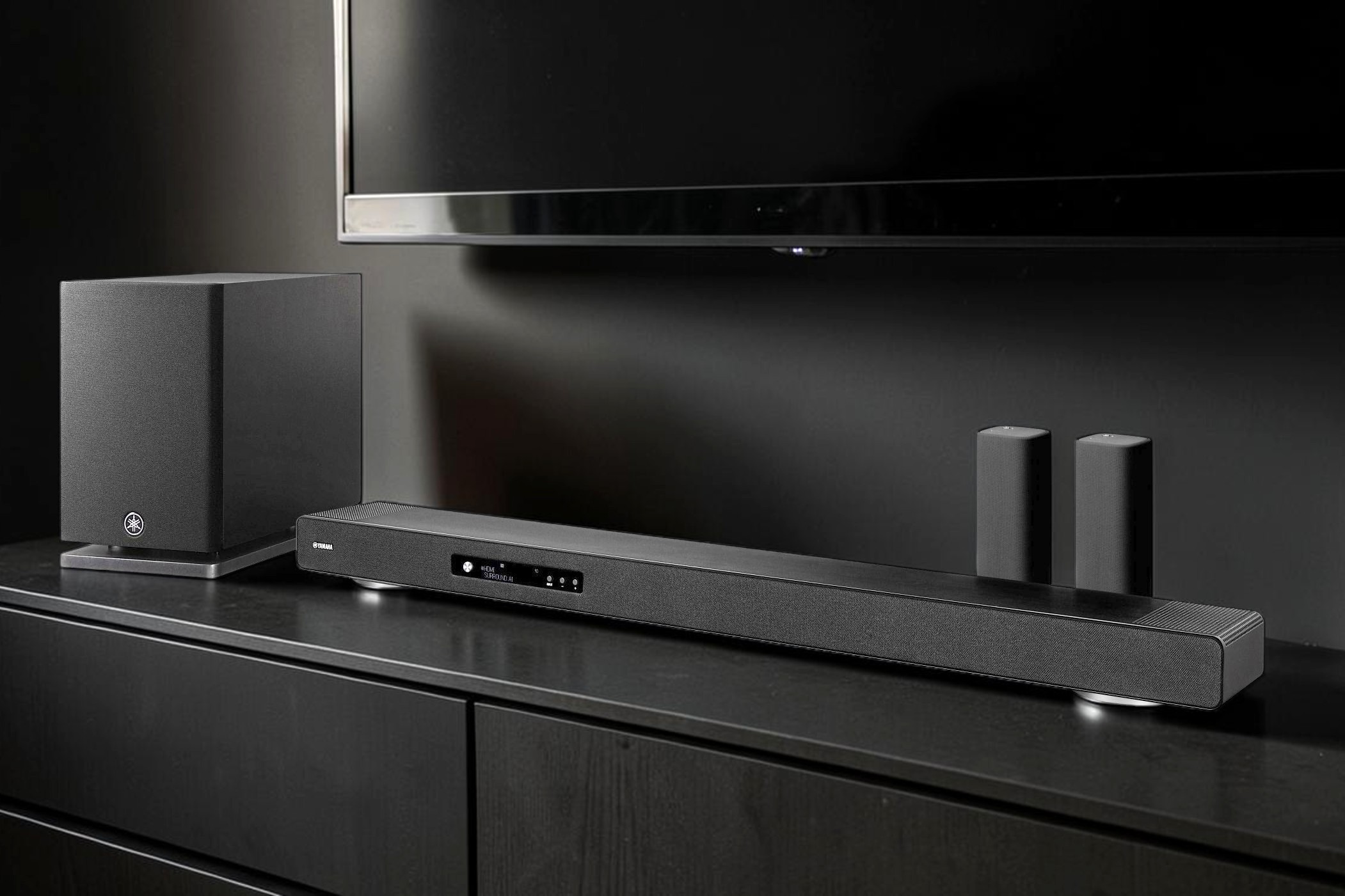
Yamaha TRUE X SURROUND 90A -soundbar on mielenkiintoinen tapaus. Se on toki kallis, mutta ääneltään erinomainen soundbar niin elokuville kuin musiikillekin, mutta riittääkö se?
Soundbar-markkinat ovat viime vuosina kasvaneet nopeasti, ja samalla mallistot ovat laajentuneet selvästi kalliimpiin ja aidosti monikanavaisiin ratkaisuihin.
Myös Yamaha on ollut tässä kehityksessä mukana jo pitkään, vaikkei ehkä myyntitilastojen kärjessä. Tunnettujen TV-valmistajien omat mallit ovat monelle helpompi valinta.
Yamahan mallisto on ollut kuitenkin kohtalaisen laaja, ja mukana on ollut myös kalliimpia ratkaisuja. Kuten esimerkiksi AVPlussankin testissä aikanaan olliut Yamaha SR-X50A.
Myös Yamahan historia soundbareissa ulottuu melko kauas. Jo vuonna 2015 esitelty Yamaha YSP-5600 oli aikanaan yksi markkinoiden edistyneimmistä ratkaisuista. Sen erikoisuus oli niin sanottu ääniprojektoritekniikka, jossa kymmenet pienet elementit muodostivat DSP:n avulla eräänlaisia äänikeiloja (sound beams), jotka suunnattuina seiniin pystyivät luoden hyvinkin aidon kuuloisen ja vaikuttavan surround-vaikutelman ilman erillisiä takakaiuttimia.
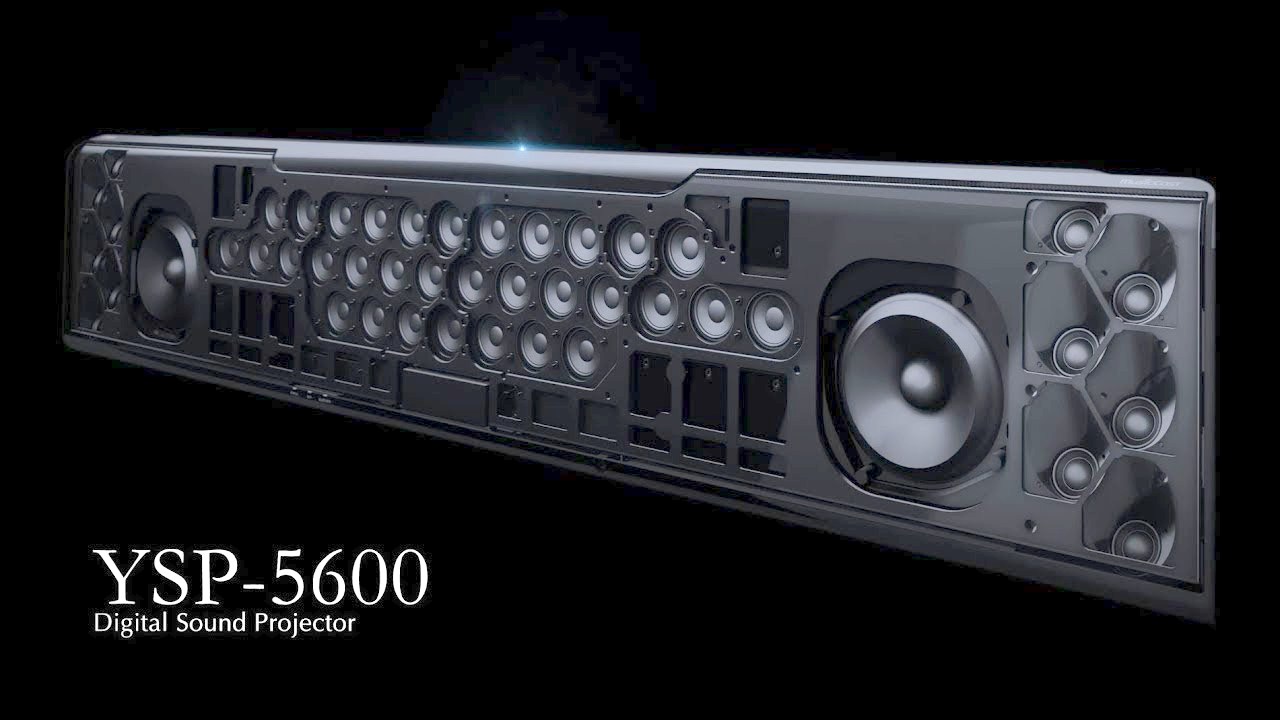
Nyt Yamaha yrittää tavallaan paluuta soundbar-kaiuttimien kärkeen. Ja käyttäen osittain samaa, edellä mainittua “sound beam” -tekniikkaa kuin jo vuonna 2015. Tosin edelleen kehitettynä ja nyt erityisesti Dolby Atmos tilaäänten toistoon.
Nyt testaamamme 2 600 euron hintainen Yamaha TRUE X SURROUND 90A 5.1.2 -soundbar-kokonaisuus on kunnianhimoinen yritys ottaa paikka premium-luokan soundbarien joukossa – ja kärjessä. Hintaluokka asettaa Yamahan kovaan kisaan niin tunnettujen televisiovalmistajien huippumallien kuin perinteisten premium-audiomerkkien kanssa. Vastassa ovat Samsung, JBL, Focal ja KEF.
Ensivaikutelma
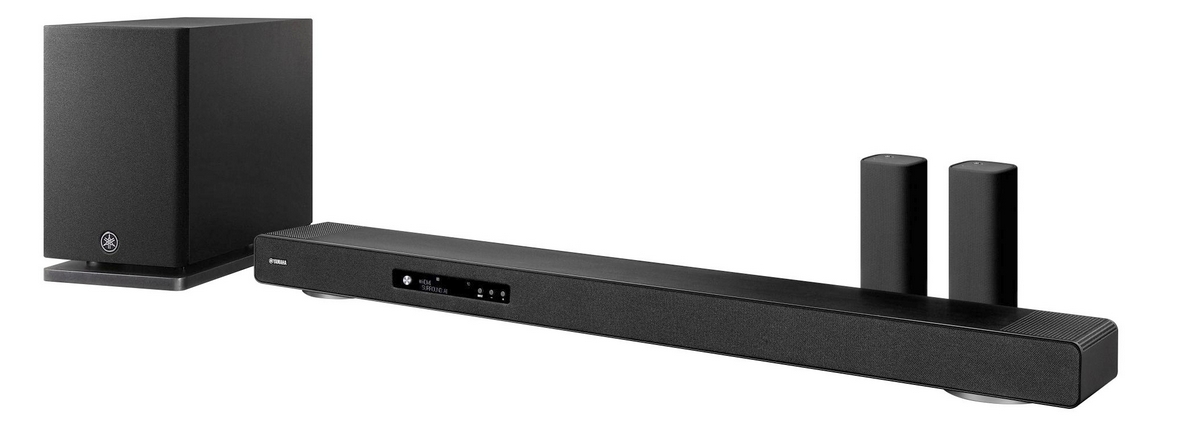
Ensivaikutelma Yamahasta on ehkä aavistuksen ristiriitainen. Matalarakenteinen soundbar on sinänsä olemukseltaan hieno ollen samalla sangen pelkistetty ja jossain määrin myös teknisen oloinen, mutta samalla ehkä hieman koruton. Muodoltaan se on juuri niin palkkimainen kuin nimitys soundbar eli äänipalkki antaa olettaa.
Sarjan subwooferin olemus ei mielestämme vastaa täysin hintaluokkaa, vaikka kohtuukokoisen subwooferin rakenne on sinänsä tukeva ja se on ihan siistin näköinen. Jotenkin muovimaisen tuntuinen pintamateriaalit ja viimeistely eivät mielestämme täysin vastaa lähes 2600 euron kokonaisuudelta odotettavaa vaikutelmaa.
Toisaalta subbari on yleensä piilossa ja tietty hillitty ja huomaamaton ilme voi olla myös positiivinen asia, eikä kokonaisuus ainakaan pyri tarpeettomasti korostamaan itseään. Ja sinänsä subbari osoittautui kuitenkin toistoltaan oikein asialliseksi.
Takakaiuttimet ovat tyyliltään selvästi omanlaisensa. Ne näyttävät itse asiassa varsin tyylikkäiltä ja arvokkailta.
Kokonaisuudesta tosin syntyy silti vaikutelma, kuin järjestelmä olisi koottu hieman eri lähtökohdista suunnitelluista erillisistä tuotteista.
Vaikka rakenne on järeä ja työn laatu pääosin erittäin korkeatasoista, niin Yamaha ei ulkonäöltään mielestämme ehkä täysin vastaa tämän hintaluokan premium-odotuksia. Toisaalta kyse on toki makuasioista. Eikä ulkonäöllä pimeässä katseluympäristössä lopulta kovin suurta merkitystä ole. Äänihän se lopulta ratkaisee - ainakin osittain.
Tekniikkaa
Teknisesti kyseessä on siis 5.1.2-kanavainen soundbar-järjestelmä, joka koostuu varsinaisesta soundbar-yksiköstä, langattomasta subwooferista sekä kahdesta erillisestä, mutta täysin langattomasta takakaiuttimesta. Ei siis mistään virtuaalikanavista tai soundbarissa sijaitsevista sivulle suunnatuista elementeistä, vaan ihan erillisistä kaiuttimista.
Soundbar, takakaiuttimet ja subwoofer muodostavat nämä 5.1-kanavat. Kanavat .2 ovat korkeusinformaatiota varten Dolby Atmos ja DTS-X -koodatuilla elokuvilla (ja myös musiikilla). Nämä on Yamahassa toteutettu käyttäen samaa niin sanottua sound beam-tekniikkaa kuin aikoinaan Yamaha YSP-5600 -mallissa nähty Digital Sound Projector -tekniikka. Toki siis tässä edelleen kehitettynä.
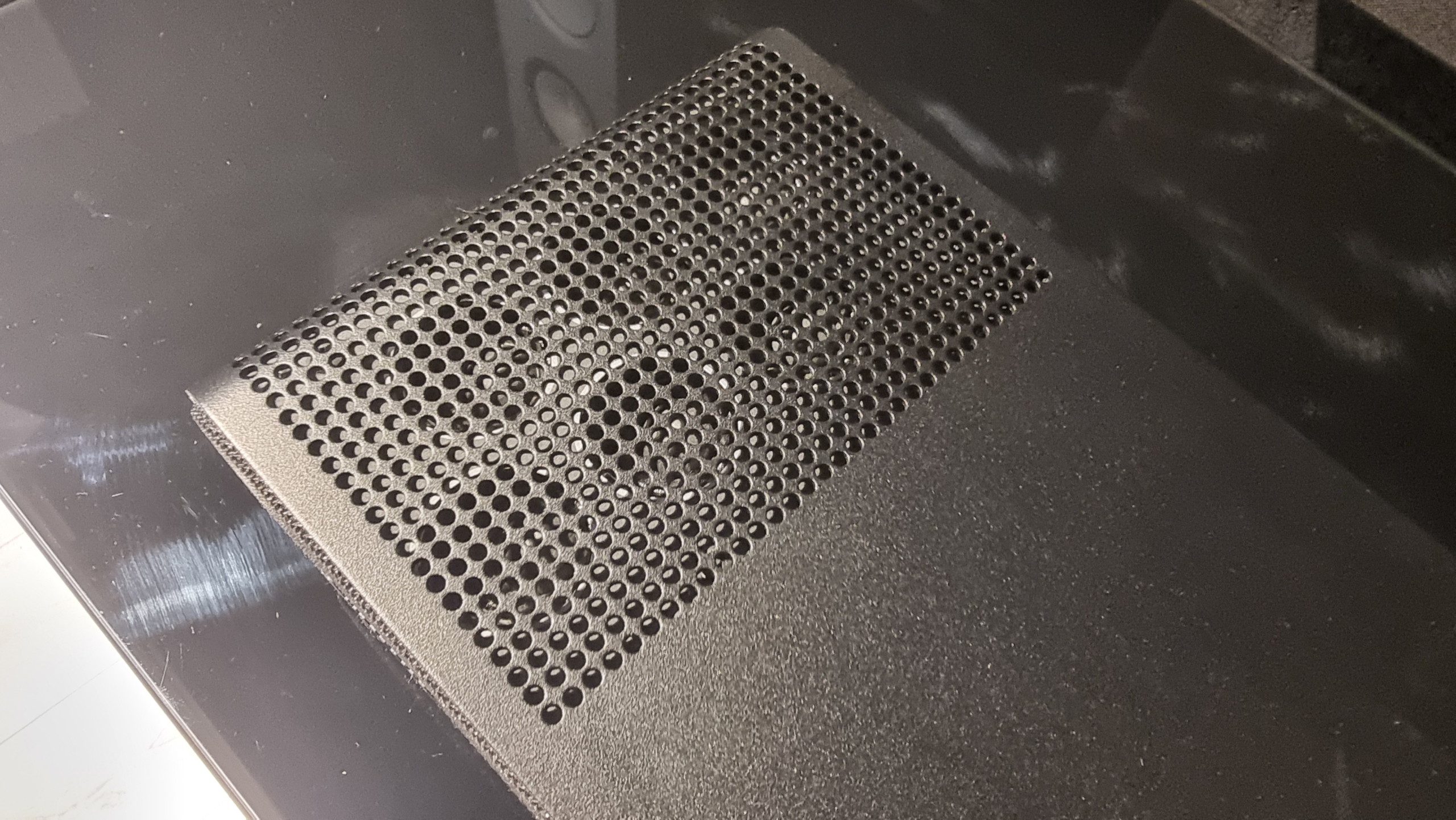
Soundbarin päällä, sen molemmissa päädyissä, on kummallakin puolella kuusi pientä, ylöspäin suunnattua, halkaisijaltaan 28 mm:n “beam”-elementtiä. Jokaisella on oma vahvistinkanavansa. Näiden ja DSP:n avulla luvataan saavutettavan suuntaavat ja suunnattavat “äänikeilat” ja siten tehokkaampi ja ennen kaikkea tarkempi tilavaikutelma kuin perinteisillä, ääntä laajemmalle säteilevillä ratkaisuilla. Kyse on siis äänen hallitusta suuntaavuudesta.
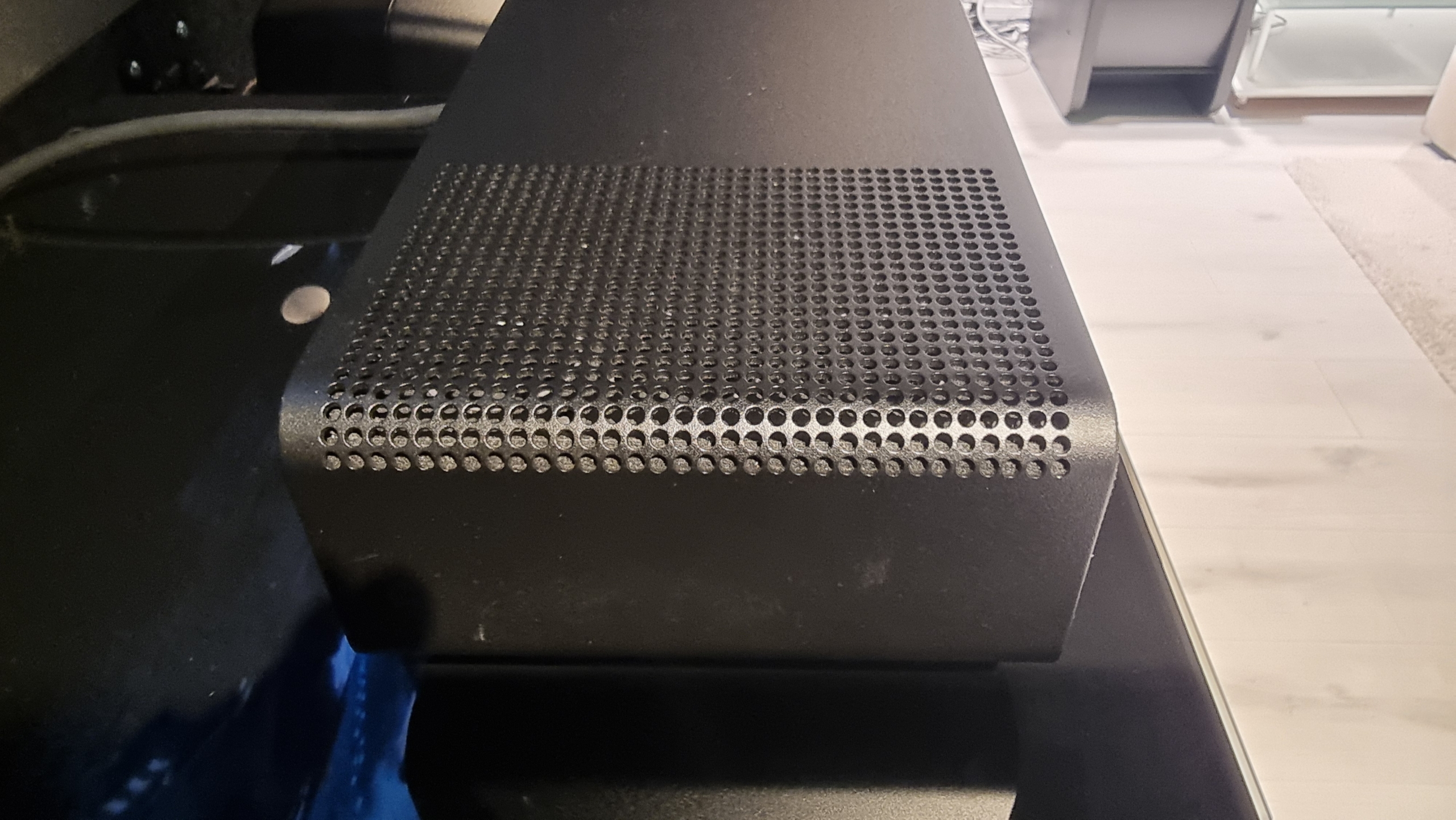
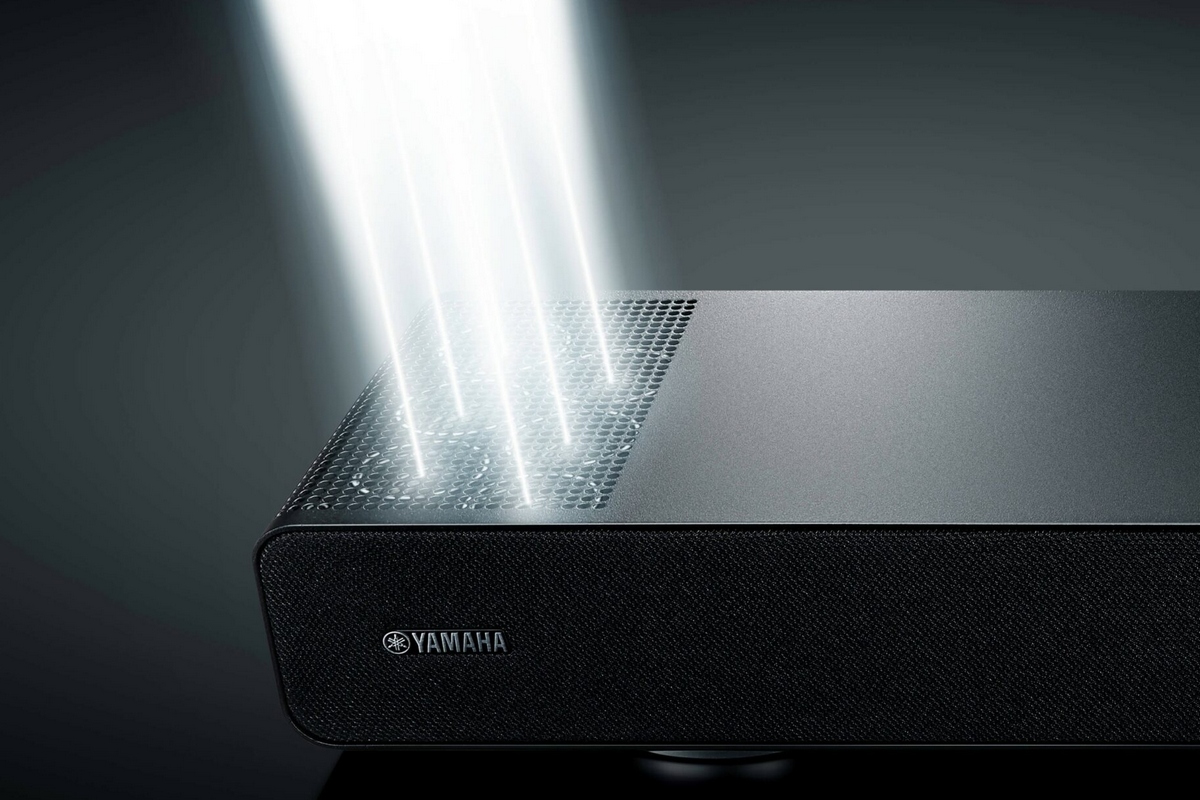
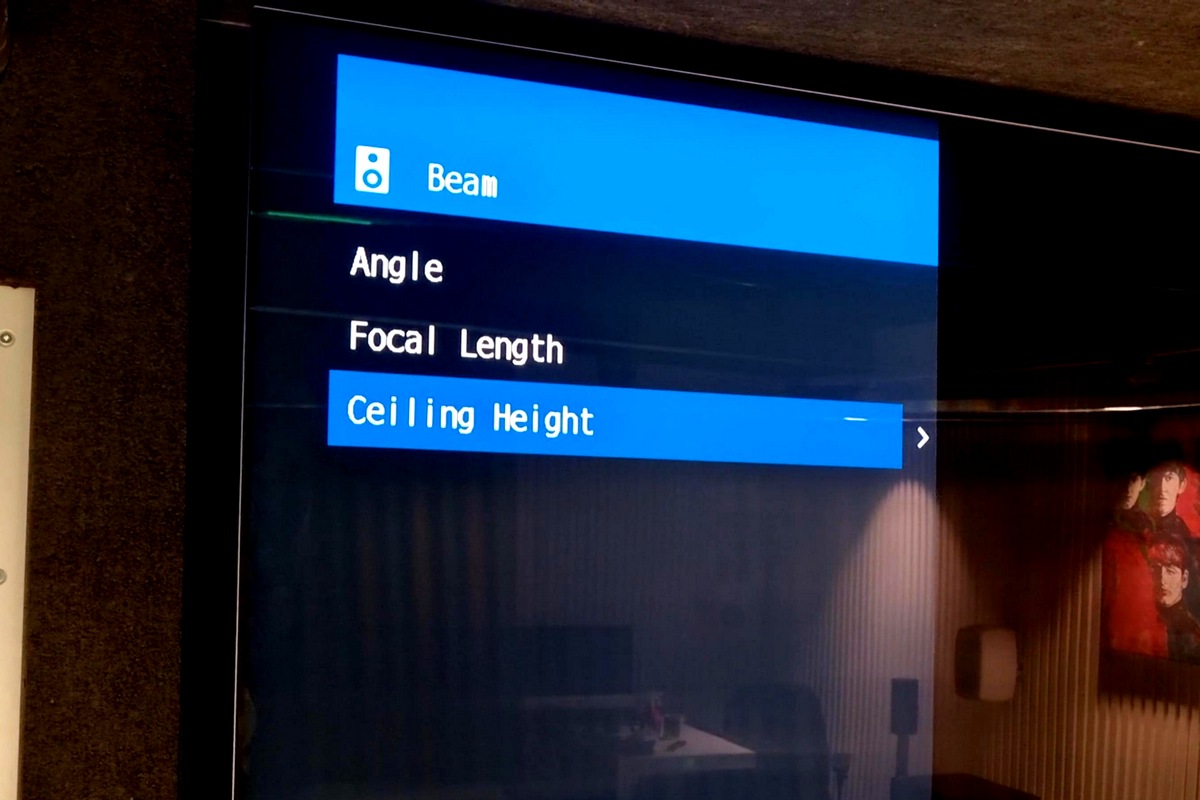
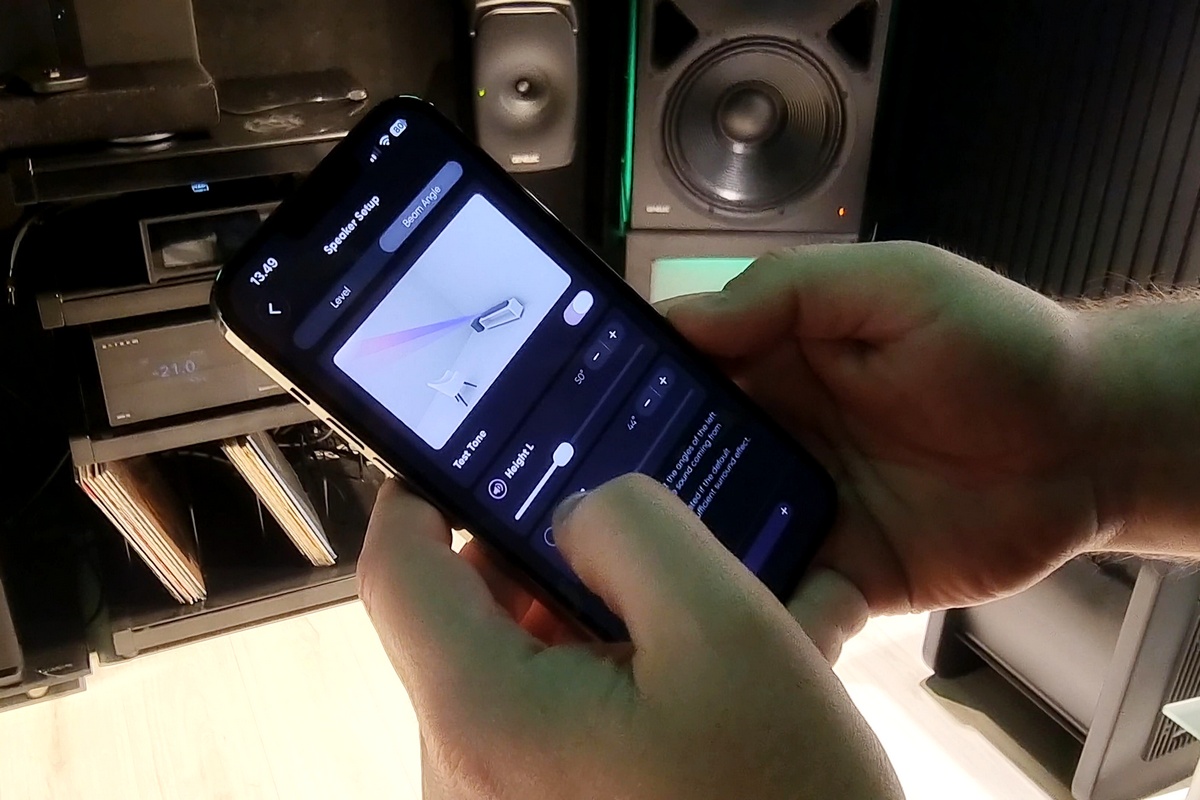
Tässä DSP-tekniikka mahdollistaa siis myös äänikeilojen virtuaalisen suuntauksen ja jopa niiden “leveyden” säädön suoraan sovelluksesta.

Itse äänipalkin pääkanavat ja keskikanava on toteutettu identtisillä 110 × 53 mm bassokeskiääni-elementeillä (keskikanavassa tuplana) ja 28 mm kalotti-diskanteilla. Päädyissä on sound beam -yksilöt.
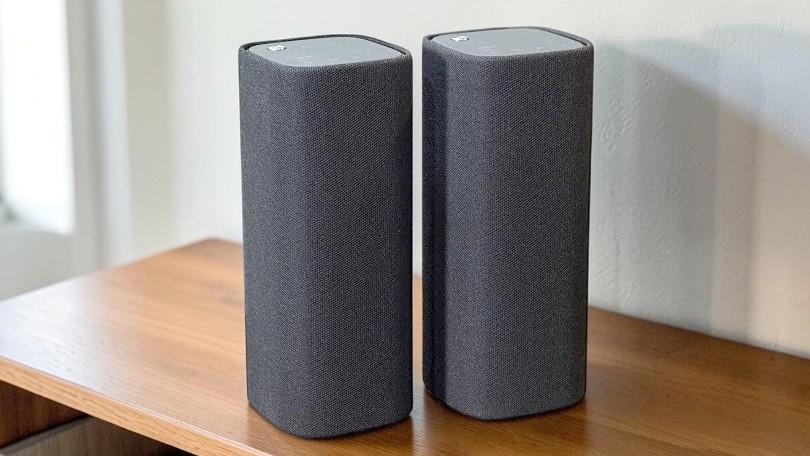
Takakanavat hoidetaan siis erillisillä, kohtalaisen kompaktin kokoisilla TRUE X SPEAKER 3A -kaiuttimilla, jotka toimivat täysin langattomasti ja sisältävät siis omat vahvistimet sekä akut. Elementteinä kussakin 2 kpl 57 mm laajakaistaelementtiä bassopäätä tukevoittavilla passiivisäteilijöillä.
Langaton ratkaisu mahdollistaa sijoituksen periaatteessa ilman kaapelointia. Takakaiuttimien mukana toimitetaan erilliset lataustelakat. Kaiuttimia voidaan pitää siis pitää lataustelineissä ja nostaa tarvittaessa käyttöön halutuille paikoille. Lataustelakat toimivat tarvittaessa myös kaiuttimien kiinteässä sijoituksessa jatkuvaan virransyöttöön. Kaiuttimille on saatavana myös lisävarusteena lattiajalustat. Seinäkiinnitys myös mahdollista (yleismallisilla telineillä) , mutta virransyöttö saattaa asettaa tässä haasteita.
Kaiuttimien toiminta-ajaksi ilmoitetaan akulla surround-käytössä enintään noin 10 tuntia. Lataus tapahtuu USB-C:n kautta (johdolla suoraan tai lataustelineillä) ja kestää noin neljä tuntia.
Takakaiuttimia voidaan myös käyttää erikseen tavallisina bluetooth-kaiuttimina. Soundbar toimii itsessään Yamahan MusicCast-järjestelmässä verkkokaiuttimena ja jopa osana monihuonejärjestelmää.
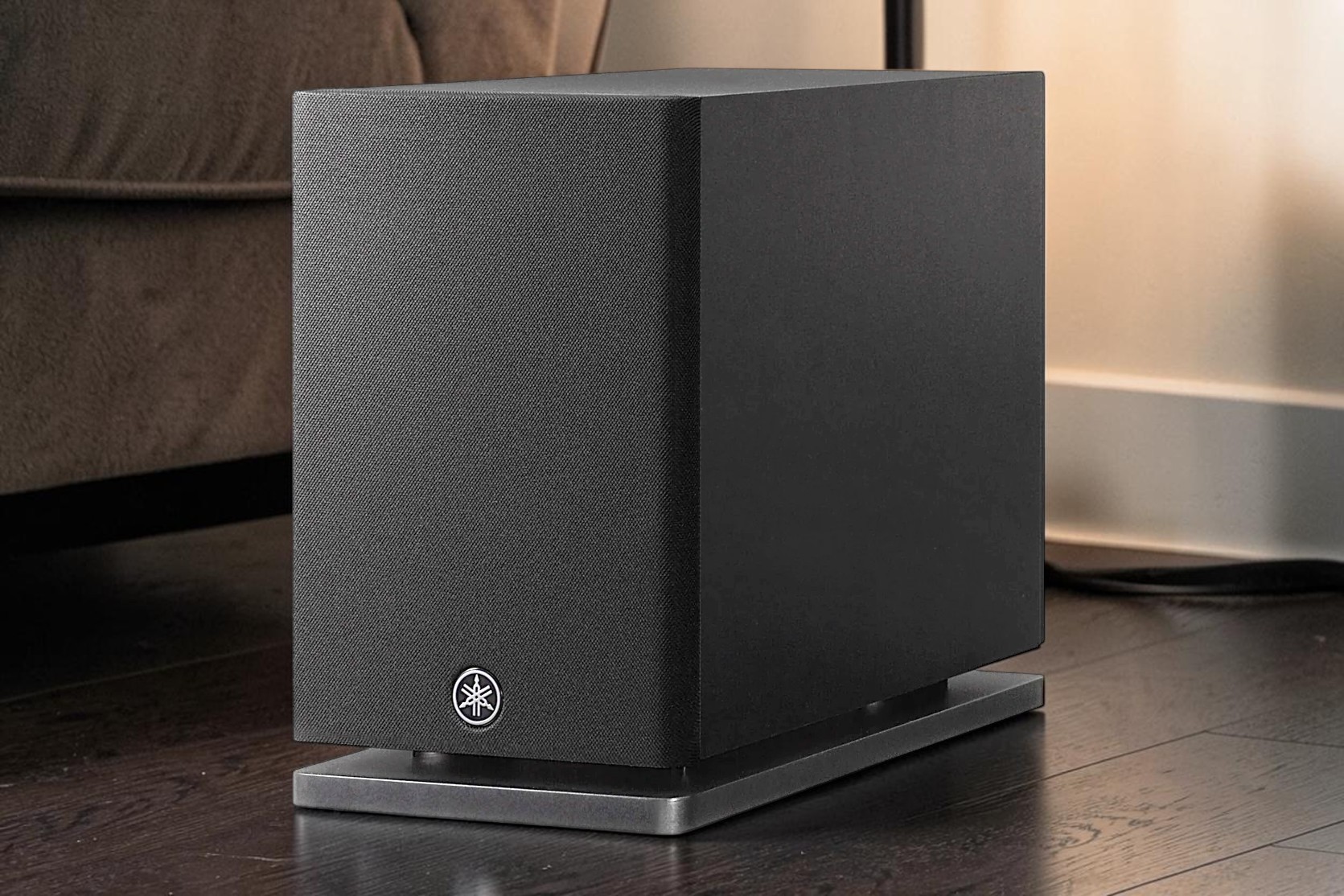 Subwoofer ei ole mitään minikokoa, mutta luokassaan silti kohtuullisen kompakti: mitoiltaan 241 × 378 × 414 mm. Kotelon edestä, kiinteän suojakankaan takaa löytyy halkaisijaltaan 170 mm bassoelementti. Kotelo on refleksiviritteinen ja sen refleksiputken Symmetrical Flare Port -rakenteen eli trumpettimaisten putken päiden luvataan vähentävän putken sivuääniä ja pienentävän säröä. Refleksiputki aukeaa kotelon alaosaan.
Connections
Pääliitäntänä toimii HDMI eARC televisioon, ja lisäksi mukana on yksi HDMI-tulo ulkoiselle lähteelle. Tämän lisäksi käytettävissä on optinen digitaalitulo. HDMI-läpivienti tukee 4K-kuvaa sekä Dolby Vision- ja HDR10+-formaatteja. Liitäntöjen määrä on kuitenkin hintaluokassaan melko rajallinen, mikä voi rajoittaa useamman laitteen suoraa kytkemistä soundbariin.
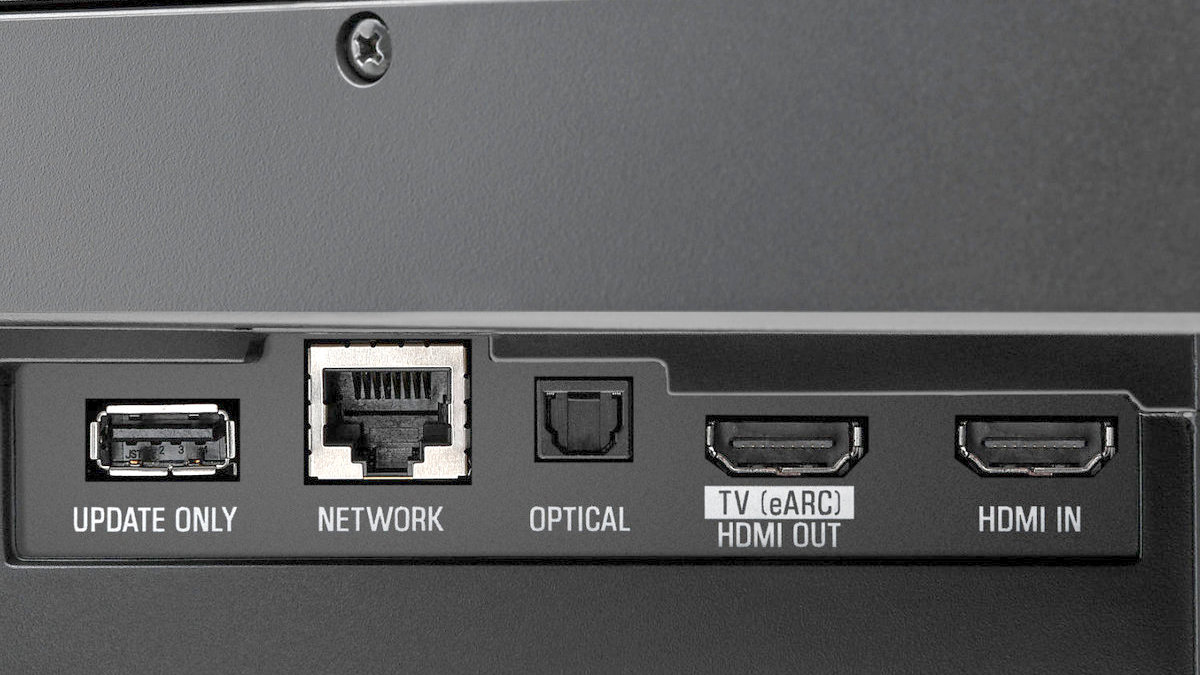
Myös pelaajien kannattaa huomioida, ettei HDMI-läpivienti tue 4K/120 Hz -signaalia tai VRR-toimintoja. Käytännössä uusimman sukupolven pelikonsolit kannattaa kytkeä suoraan televisioon ja käyttää äänen palautukseen eARC-yhteyttä.
Langattomissa yhteyksissä mukana tarjolla Wi-Fi, Bluetooth ja Apple AirPlay 2. Bluetooth tukee vain perustason audiokodekkeja, mutta se ajanee asiansa, ja musiikin kuunteluun käytetään todennäköisesti verkkotoistoa.
Verkkotoistossa Yamaha käyttää omaa MusicCast-alustaansa, jonka kautta voidaan käyttää erilaisia suoratoistopalveluja sekä liittää järjestelmä osaksi monihuonekokonaisuutta. Myös itse soundparin käyttö ja säätö tapahtuvat tarvittaessa MusicCast-sovelluksen kautta.
Mainittakoon myös soundbarin sisältämä bluetooth-lähetin, jolla laitteeseen saa liitettyä helposti langattomat kuulokkeet.
Tilaäänet
Ääniformaattien osalta soundbarin tuki kattaa Dolby Atmosin ja DTS:X:n lisäksi myös soundbareissa harvinaisen AURO-3D:n sekä DTS Neural:X:n. Kyse on tilaäänen toisto-, prosessointi- ja ylösmiksausratkaisuista, joilla myös tavallinen stereo- tai monikanavasisältö voidaan laajentaa ympäröivämmäksi ja kolmiulotteisemmaksi äänikentäksi.
AURO-3D poikkeaa Dolby Atmosista ja DTS:X:stä siinä, että se perustuu enemmän kiinteisiin korkeuskanaviin kuin liikkuviin ääniobjekteihin. Järjestelmä rakentaa äänikentän useaan eri tasoon: perinteiseen surround-tasoon sekä sen yläpuolella sijaitsevaan korkeustasoon. Lopputulos pyrkii korostamaan erityisesti tilan luonnollisuutta ja yhtenäisyyttä. AURO-3D:n yhteydessä käytettävä Auro-Matic-ylösmiksaus analysoi tavallista stereo- tai monikanavasisältöä ja laajentaa sen hyödyntämään myös korkeusefektejä. Tätä pidetään erityisesti musiikilla varsin miellyttävänä ja luonnollisen kuuloisena ratkaisuna. Ja itse asiassa tämä toimii Yamahassa oikein hyvin.
DTS Neural:X puolestaan on DTS:n kehittämä ylösmiksausjärjestelmä, jonka tarkoituksena on hyödyntää kaikkia käytettävissä olevia kaiuttimia myös silloin, kun alkuperäinen sisältö ei sisällä varsinaisia korkeukanavia. Järjestelmä analysoi äänisignaalia reaaliaikaisesti ja pyrkii laajentamaan äänikuvaa erityisesti surround- ja korkeussuunnassa. Käytännössä esimerkiksi tavallinen stereoääni tai perinteinen 5.1-miksaus voidaan toistaa selvästi ympäröivämpänä kokonaisuutena. DTS Neural:X toimii pitkälti DTS:n vastineena Dolby Surround- ja Auro-Matic-prosesso
Lisäksi käytettävissä on Yamahan SURROUND:AI, jonka Yamaha sanoo analysoivan toistettavaa sisältöä reaaliaikaisesti ja säätävän äänen eri osa-alueita automaattisesti tilanteen mukaan. Käytännössä järjestelmä pyrkii pitämään dialogin, tehosteet ja taustaäänet tasapainossa ilman jatkuvaa manuaalista säätämistä. Vaikutus jäi testissä melko hienovaraiseksi, mutta erityisesti elokuvilla kokonaisuus kuitenkin kuulosti paikoin hieman hallitummalta ja yhtenäisemmältä. Voi siis kokeilla vaikka suhtaudumme näihin sinänsä varauksella.
Käyttöönotto, käyttö ja säädöt
Laitteen käyttöönotto on melko suoraviivaista. Ei ehkä aivan niin helppoa kuin monilla kilpailijoilla, koska mitään ohjattua käyttöönottoa ei ole. Kaikki pitää tehdä ja oivaltaa itse, ja mukana tulevat pikaohjeet eivät kata kaikkea. Tarkemmat ohjeet löytyvät vasta online-oppaasta (miksei muuten sovellukseen voisi laittaa suoraa linkkiä ohjeisiin).
Langaton subwoofer yhdistyy soundbariin automaattisesti, mutta takakaiuttimien kanssa on enemmän säätöä. Tämän vuoksi niistä on tehty erillinen ohjevideokin.
Käyttöönotto ei siis ole mitenkään vaikeaa, mutta mistään “plug and play” -tyyppisestä käyttökokemuksesta ei voida puhua. Tässä olisi kehittämisen varaa. Erityisesti automaattisen setupin ja myös huonekorjauksen puuttuminen tarkoittaa lisäksi sitä, että sijoitteluun ja säätöihin joutuu perehtymään enemmän. Tämä tosin lienee usein ihan positiivistakin.
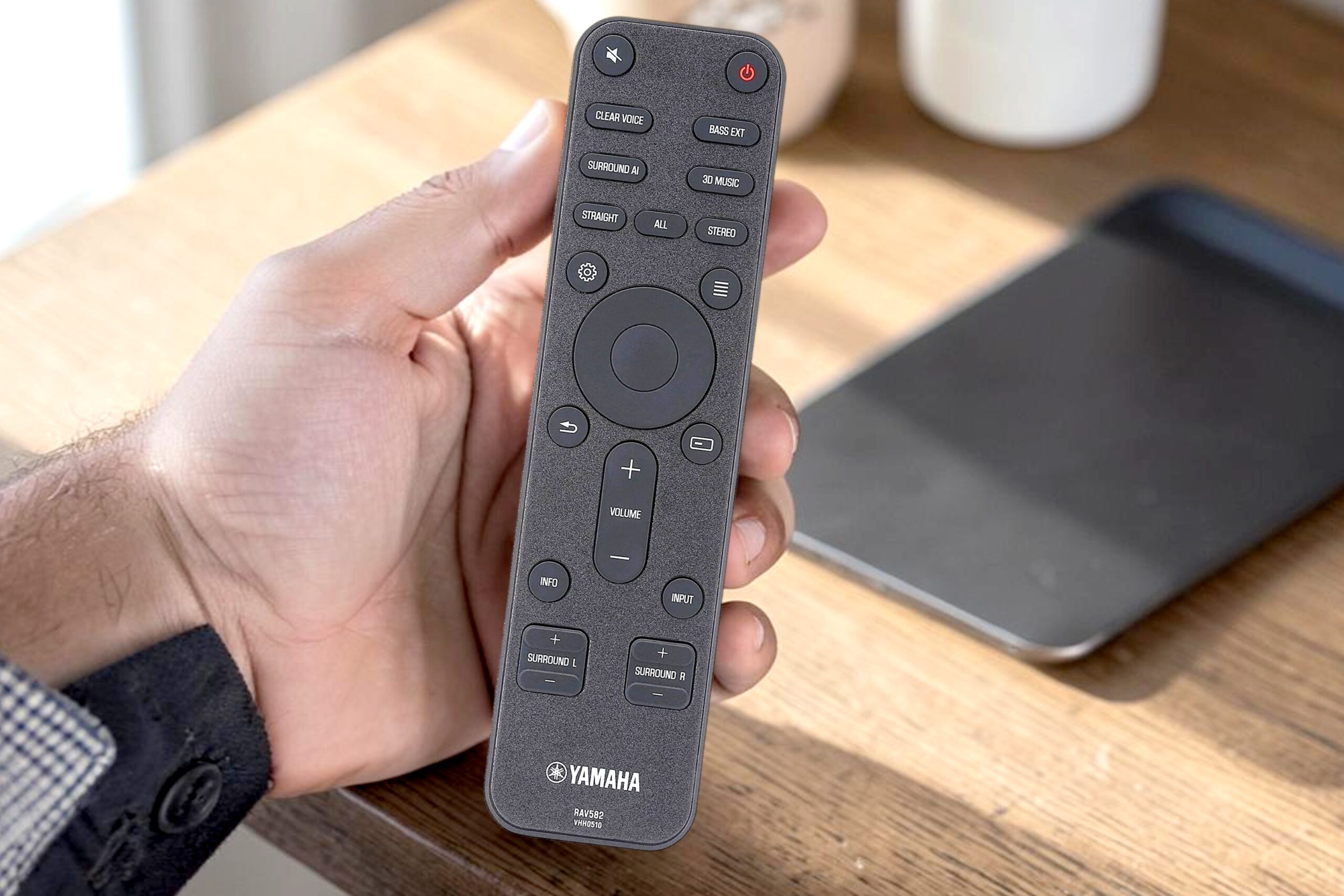
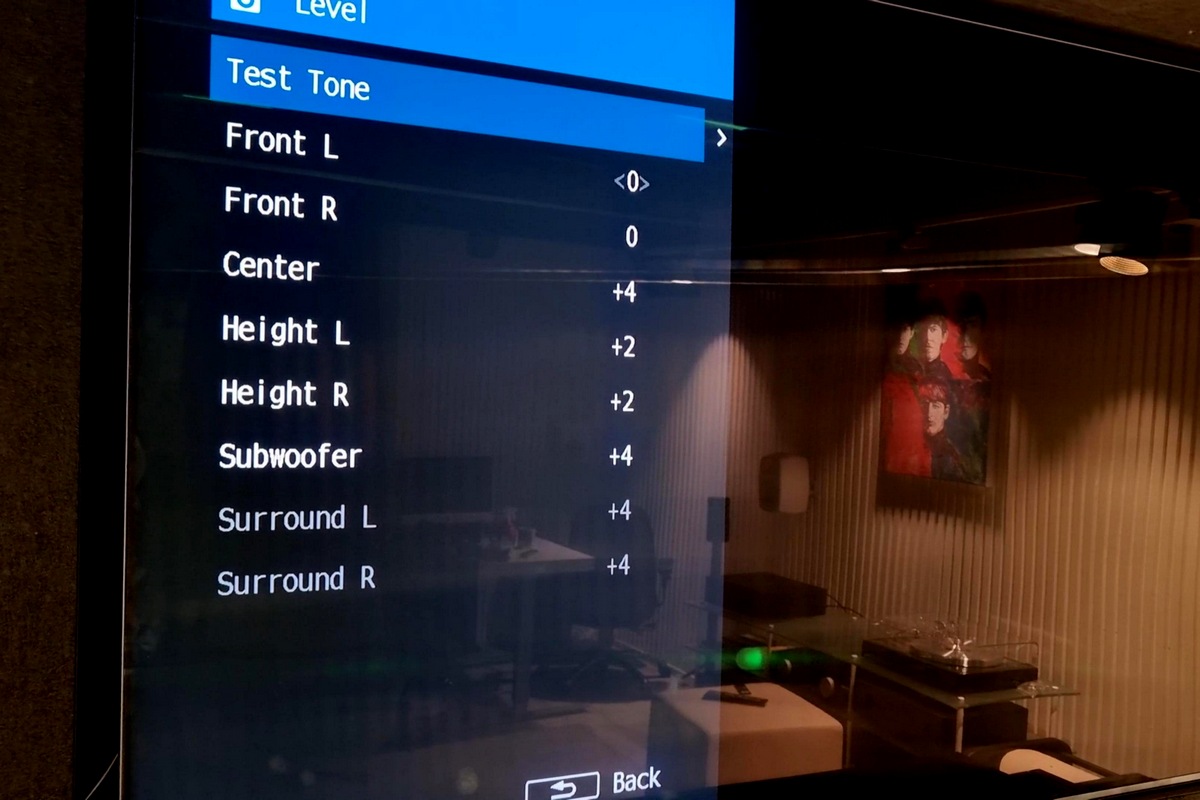
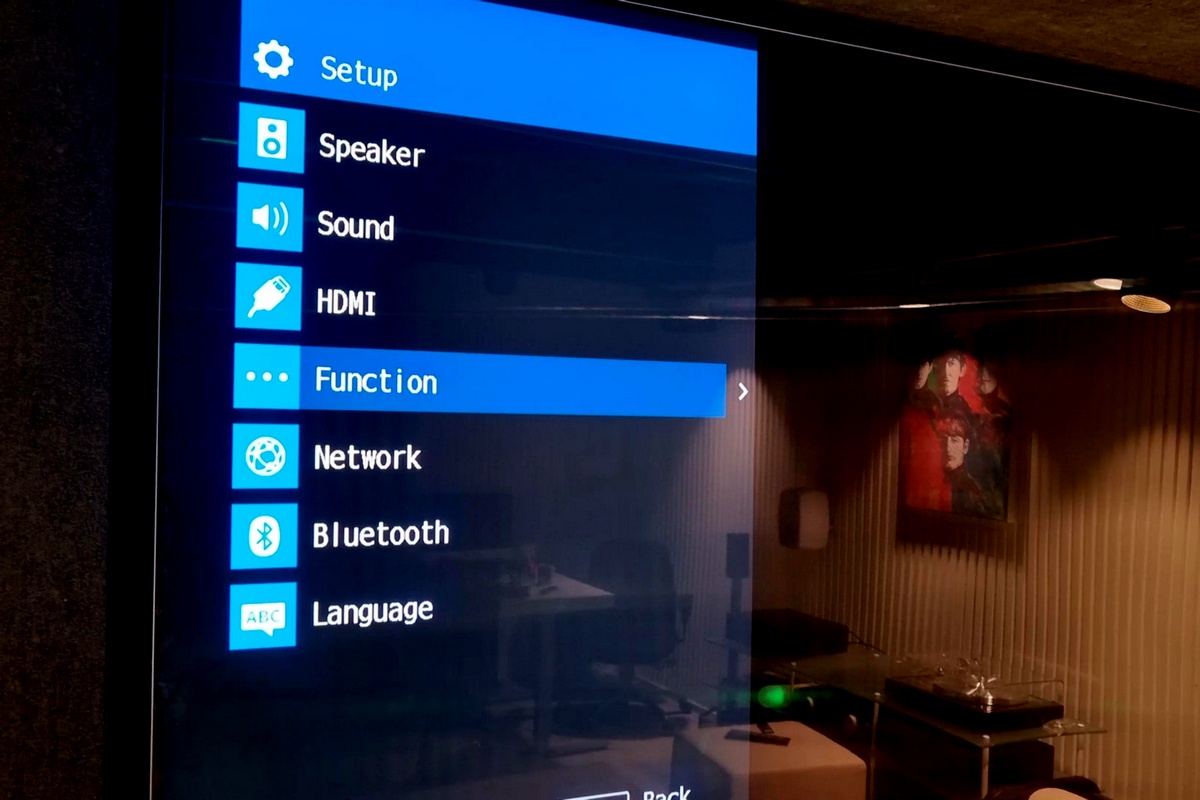
Käyttö perustuu perinteiseen kaukosäätimeen ja kuvaruutuvalikkoon. Siinä ei ole tosiaankaan kikkailtu grafiikalla eikä millään muullakaan. Sen verran ankealta se näyttää. Toisaalta myös selkeältä. Osa toiminnoista on toki käytettävissä erillisen Music Cast -sovelluksen kautta, jossa näyttävämpi ja selkeämpi olemus.
Säätömahdollisuuksia on sinänsä kohtuullisesti. Käyttäjä voi säätää muun muassa keskikanavan ja subwooferin taka-/surround-kanavien tasoja, korkeusefektejä sekä valita erilaisia äänenkäsittelytoimintoja. Yamahan SURROUND:AI pyrkii optimoimaan ääntä automaattisesti toistettavan sisällön mukaan.
Lisäksi Clear Voice -toiminto pyrkii tuomaan puhetta paremmin esiin, jos dialogi tuntuu jäävän muun äänikuvan alle. Kaukosäätimessä on takakanavien kanavakohtaiset tasonsäädöt, mikä on sinänsä hyvä, mutta yhteinen säätö olisi riittänyt ja toinen painikkeista olisi voitu valjastaa vaikka subwooferin tasonsäädölle. No sovelluksesta kaikki säädöt toki löytyvät.
Toisaalta äänen sävylle on vain basso- ja diskanttisäädöt. Taajuuskorjain olisi ollut kyllä tässä hintaluokassa toivottavaa. No toki säätöihin ei ollut juurikaan tarvetta koskea. Paitsi ehkä keskikanavan keskialuetta olisi voinut hieman korostaa. Ei taajuuskorjaimesta siis haittakaan olisi ollut.
Päivittäisessä käytössä Yamaha on lopulta varsin mukava ja suoraviivaista käyttää. Kaukosäädin on selkeä, perustoiminnot löytyvät nopeasti ja myös eri äänitilojen valinta on helppoa. Kun säädöt ovat kohdallaan ei niihin ole oikeastaan tarvetta kajota.
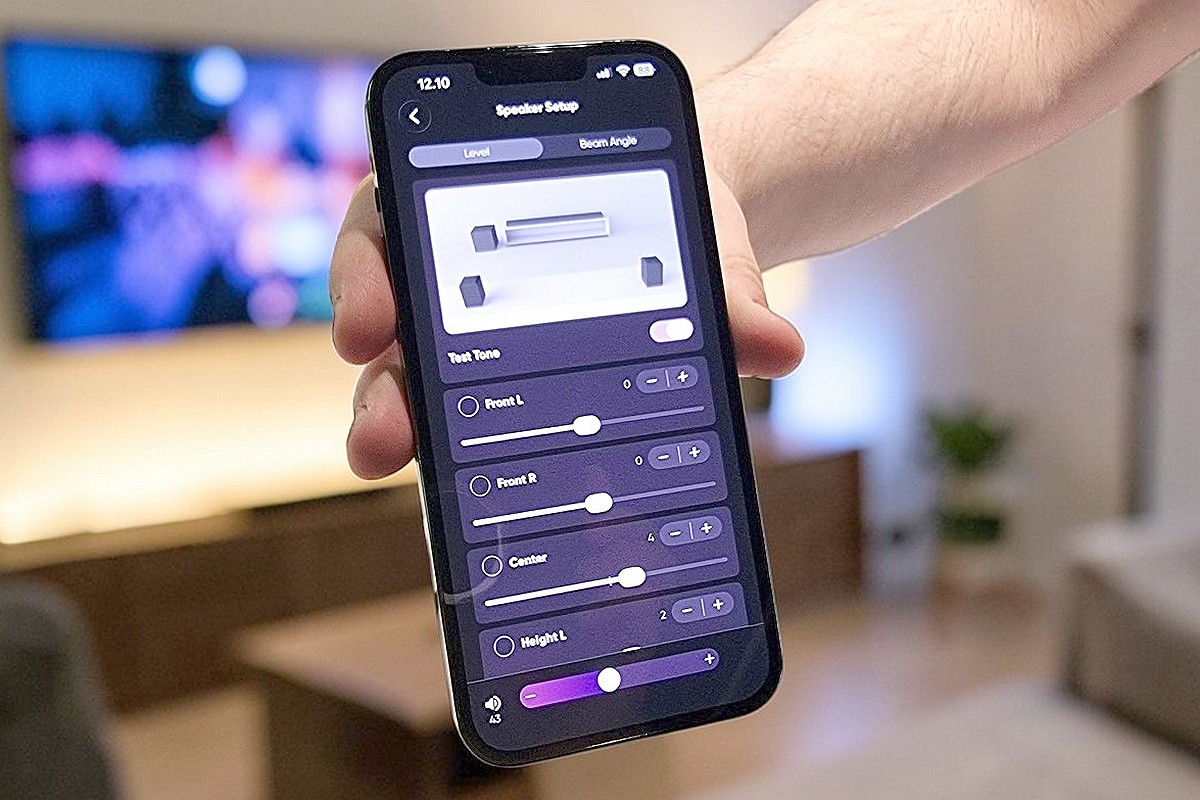
MusicCast-sovelluksella käyttö on kaikkein havainnollisinta, mutta sinänsä puhelimen käyttö ohjaimena ei ole aina nopeinta - ainakaan päivittäiseen käyttöön. Toisaalta MusicCast-sovelluksesta löytyy myös kaikki yleisimmät suoratoistopalvelut musiikin kuunteluun.
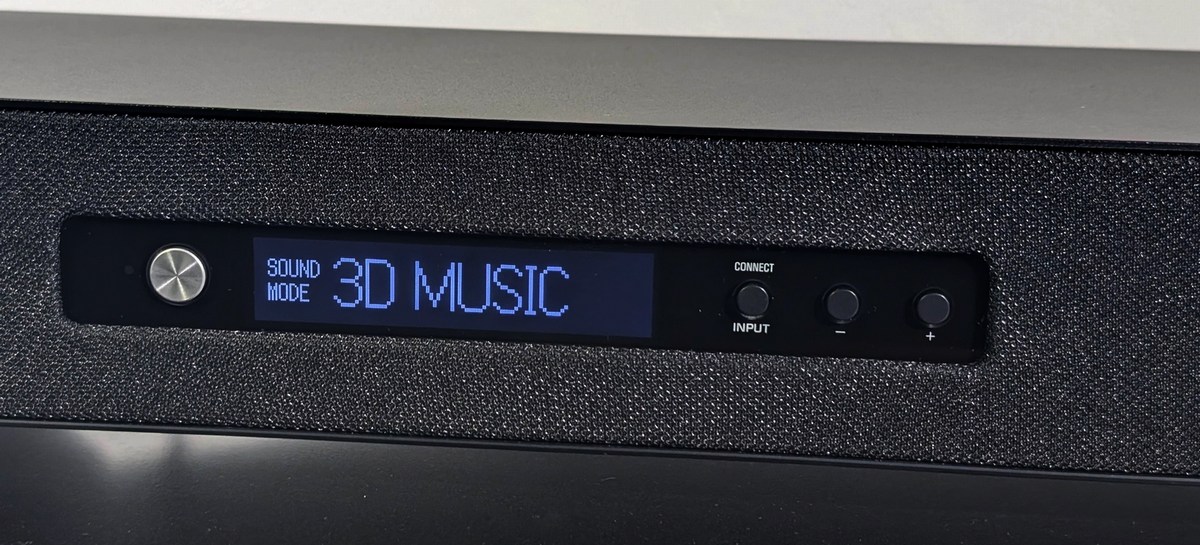 Etupaneelin pieni näyttö tarjoaa perustiedot sinänsä selkeästi, vaikka kokonaisuus onkin visuaalisesti melko vaatimaton ja pelkistetty. Näyttöä tarvitaan hravoin ja se olisi voitu mielestämme sijoittaa "piiloon" soundbarin päälle. Näin etuosasta olisi saatu visuaalisesti symmetrinen ja ehkä tyylikkäämpi.
Toimii elokuvilla
Elokuvilla Yamahan äänimaailman on tasapainoinen, ei lainkaan sellainen korkeita taajuuksia, efektejä ja bassoa korostava kuin monissa soundbareissa tapaa olla. Toisaalta efektit ja tilavaikutelma ovat esimerkiksi toimintaelokuvissa uskottavia. Ja ennen kaikkea hyvin luonnollisella tavalla. Kokonaisvaikutelma on hyvä olematta liioitteleva.
Korkeuskanavien Sound Beam -tekniikka vaikuttaa toimivan hyvin: ääni irtoaa aika eleettömästi soundbarista ja leviää huoneeseen hallitusti. Tilavaikutelma on uskottava. Korkeusefektien vaikuttavuus riippuu kuitenkin aina näissä heijastuksia hyödyntävissä järjestelmissä soundbarin sijoituksesta ja itse tilasta; millainen akustiikka, seinien sijainti suhteessa soundbariin jne. Yamahan tapauksessa tekniikka ja säädöt kuitenkin mahdollistavat tilan huomioimisen tavallista paremmin. Tämä toki vaatii kokeilua ja säätämistä.
Subwoofer on yksi järjestelmän vahvuuksista. Bassossa on voimaa, mutta se pysyy kontrollissa eikä peitä muita taajuuksia. Siis silloin kun taso on säädetty oikein. Toisaalta mihinkään ultramatalille taajuuksille toisto ei tietenkään yllä.
Keskikanava toistuu sinänsä selkeästi, mutta esimerkiksi toimintakohtauksissa dialogi voi joillakin asetuksilla jäädä efektien alle, vaikka keskikanavan tasoa voikin säätää erikseen. Säätö auttaa dialogin voimakkuuteen, mutta ei täysin muuta soundbarin etukentän yleistä luonnetta ja puheen sijoittumista kokonaisuuteen. Clear Voice -toiminto parantaa dialogin toistoa, mutta jättäen sen silti sävyltään aavistuksen tummaksi.
Kaikkiaan Yamaha toistaa elokuvat tasapainoisesti ilman ylimääräistä draamaa. Mitään wow-efektiä se ei tarjoa, mutta vastapainoksi uskottavan ja ennen kaikkea realistiselta ja luonnolliselta kuulostavan toiston.
Hyvä myös musiikilla
Myös musiikilla Yamaha toimii yllättävän tasapainoisesti. Tämä on soundbareissa melko harvinaista. Harva soundbar on soinut musiikilla näinkin nautittavasti. No, ehkä tässä hieman liioittelemme, mutta soundbariksi musiikki toistuu Yamahalla erinomaisesti. Jopa subbarin toisto on maltillisella säädöllä tukevaa ilman korostumista tai kuminaa.
Kaikkiaan toisto on rauhallinen ja neutraali, eikä siinä ole tyypillistä korkeita taajuuksia painottavaa “soundbar-efektiä”. Diskantti pysyy hallittuna, keskialue soi luonnollisen kuuloisesti ja subwoofer integroituu kokonaisuuteen hyvin. Lopputulos on miellyttävä pidemmässäkin kuuntelussa.
Ja Yamahan AURO-3D lisää ääneen uskottavalta kuulostavaa tilavaikutelmaa ilman liioittelua.
Most read today
Latest
Subscribe to the newsletter
Subscribe to our newsletter and stay up to date with the latest news in technology and entertainment electronics.
Survey
Quiz
Nokia phones
Related Posts

TESTISSÄ Realme 16 Pro 5G Harry Potter Edition – taikaa vai kallista taikapölyä?
Realme julkaisi rajoitetun erän Harry Potter -teemaista Realme 16 Pro 5G -älypuhelinta. Näyttävä erikoisversio maksaa 699 euroa, noin 300 euroa...
Yamahan uusi edullinen R200A-viritinvahvistin luottaa perinteiseen stereoon – yllättäen ilman verkkosoitinta
Yamaha tuo markkinoille uuden R200A-viritinvahvistimen, joka on ominaisuuksiltaan yllättävänkin perinteinen. Noin 369 euron hintainen stereovahvistin sisältää AM/FM-radion, levysoitintulon ja Bluetoothin,...

Langalliset kuulokkeet tekevät paluuta – Bosen uusi USB-C-malli tarjoaa vastamelun ilman akkua
Langattomat nappikuulokkeet hallitsevat markkinoita, mutta johto on tekemässä yllättävää paluuta erityisesti nuorempien käyttäjien keskuudessa. Nyt trendiin tarttuu myös Bose, joka...

Legendaarinen Winamp tekee taas paluun – uusi soitin yhdistää suoratoiston ja oman MP3-kokoelman
Monelle MP3-aikakaudelta tuttu Winamp yrittää jälleen paluuta. Vuoden 2027 alkupuoliskolla julkaistava uusi Winamp Player yhdistää saman käyttöliittymän alle maksullisen suoratoistopalvelun,...

Uusi mielenkiintoinen tulokas planaarikuulokkeisiin – 499 euron FiiO FT15 101 mm elementeillä
FiiO laajentaa avoimien planaarikuulokkeidensa valikoimaa uudella FT15-mallilla. Uutuuden keskeisiä ratkaisuja ovat suuret 101 millimetrin planaarielementit, vain 800 nanometrin paksuinen timanttipinnoitettu...

TESTISSÄ KAIKU WAVE wireless noise cancelling headphones – a Finnish challenger in the tough premium category
Kaiku Wave on 449 euroa maksava langaton vastamelukuuloke, jossa yhdistyyy osittain suomalainen suunnittelu, suomalainen puu, hillitty design, pitkä akunkesto ja...
 Suomi
Suomi  English