
Calibrating the television picture – Benefit or fraud?

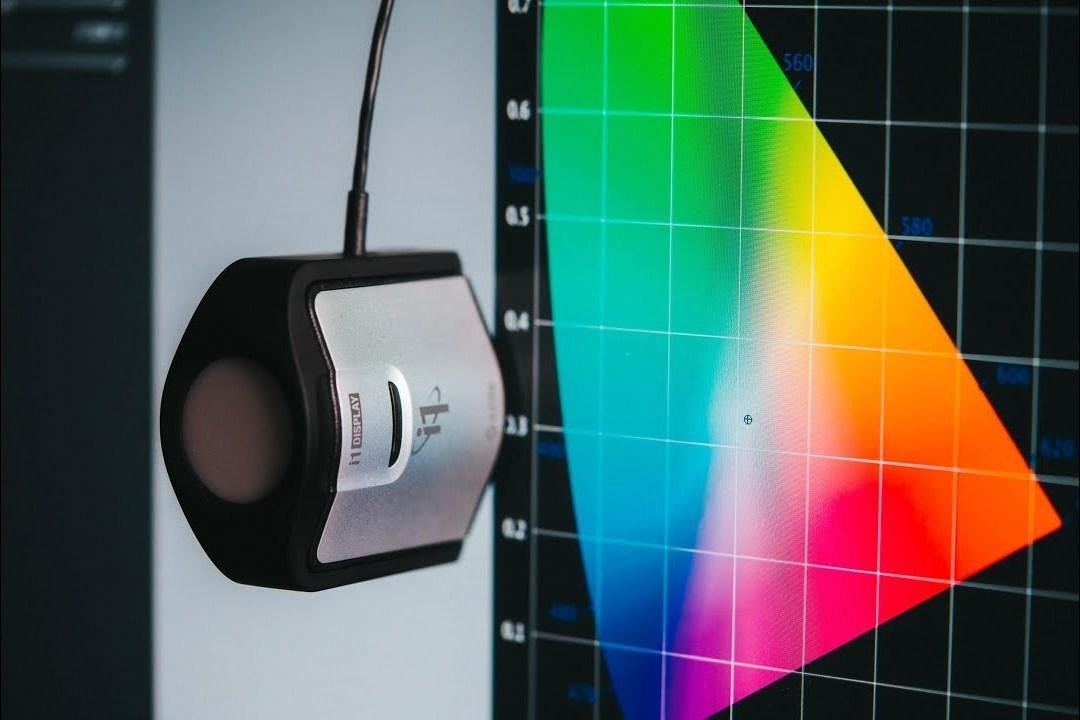
Television kuvan kalibrointi on termi, johon on moni saattanut törmätä televisiosta puhuttaessa tai ehkä jopa sellaista ostettaessa. Ja yksinkertaistaen kyse on siis television kuvan säätämisestä mahdollisimman hyväksi ja ”oikeaksi”.
Kalibroinnin siis luvataan parantavan TV:n kuvanlaatua säätämällä siis värit, kontrastin ja kirkkauden ihanteellisille tasoille, mutta onko se todella sen arvoista?
Onko kyseessä oikeasti silmin havaittava parannus, vai vain asiantuntijoiden hypettämä lisäpalvelu, joka tuo kaupoille lisää tuloja?
Lähdimme selvittämään, mitä TV:n kalibrointi käytännössä tarkoittaa ja miten se vaikuttaa katseluelämykseen. Vierailimme Powerin myymälässä, jossa saimme kattavan esittelyn siitä, kuinka kalibrointiprosessi toteutetaan ja mitä se sisältää. Powerin asiantuntijat näyttivät meille eron kalibroidun ja kalibroimattoman television kuvanlaadussa eri olosuhteissa ja kertoivat kalibroinnin teknisistä yksityiskohdista.
Onko kalibroinnista todella merkittävää hyötyä tavalliselle kuluttajalle, joka etsii parasta mahdollista kuvanlaatua kotiinsa. Onko kalibrointi sijoitus, joka kannattaa, vai voiko vastaavan lopputuloksen saavuttaa myös kotikonstein? Seuraa mukana, kun otamme selvää, onko television kuvan kalibrointi hyödyllinen palvelu vai mahdollisesti tarpeeton lisäkustannus.
Jatka artikkelin lukemista
Tämä artikkeli kuuluu AVPlus Extra -sisältöön. Jatka lukemista 1 krediitillä.
Login if you have purchased
Lukuoikeus artikkeliin
Tämän artikkelin lukeminen maksaa 1 krediitin. Lukuoikeus avaa artikkelin kokonaisuudessaan ja tallentaa sen käyttäjätilillesi. Alkaen 0,39 €Most read today

Latest
Subscribe to the newsletter
Subscribe to our newsletter and stay up to date with the latest news in technology and entertainment electronics.
Survey
Quiz
Nokia phones
Related Posts

Kuinka teknologia parantaa käyttäjäkokemuksia jatkuvasti
Realistisuus nousee uudelle tasolle Ehkä selkein osoitus teknologian kehityksestä on se, miten digitaaliset ympäristöt ovat lähentyneet fyysistä todellisuutta. Käyttäjät eivät...
IN THE TEST: TCL 65C7L – Bright Mini LED with Wide Color Reproduction
TCL has invested heavily in Mini LED TVs in recent years and has also brought high brightness, rich local contrast, and comprehensive gaming features to clearly...
TCL Z100 and Z100-SW FlexConnect speakers – Easily almost like a real home theater
Dolby Atmos FlexConnect promises to solve one of the eternal problems of multichannel sound: the speakers don't need to be exactly in the right positions. The TCL Z100 speakers can...
IFA 2026 – these were the most interesting AV and technology innovations from Berlin
The Berlin IFA 2026 was not built around a single major announcement. TVs with RGB backlighting are making a strong entrance, soundbars are growing into full multi-channel systems, and projectors...
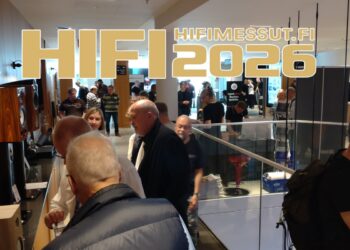
HIFI2026 – smaller but dense trade shows brought a lot of new audiences to the world of audio
HIFI2026 brought 3,412 visitors to the Helsinki Fair Centre. This year’s event was slightly smaller than usual, but at the same time more intense – and especially...
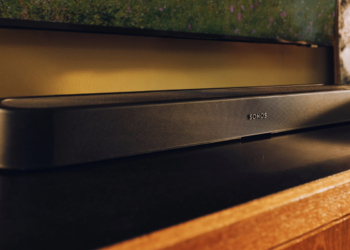
Sonos updates its audio system with three new models – Beam Ultra, Ace Ultra and Sonos 27 expand the lineup
Sonos has unveiled two new audio devices and a next-generation software platform in one go. The new products announced in early September include the compact Beam Ultra soundbar,...
 Suomi
Suomi  English