
Neuraben's brain sensed the headphones


Neurable, a leading neurohacking company, introduced a groundbreaking development in biohacking technology. The company unveiled its brain-sensing headphones, which can improve human productivity and mental health by monitoring brain signals and alerting the user when fatigue has increased and a break is needed. The headphones will be released later this year. Neurable is partnering with a major headphone brand to integrate its technology.
Biohacking, a term that covers various techniques to enhance human biology, has gained popularity in recent years. Examples of biohacking include simple practices such as consuming caffeine to increase energy, or using smartwatches to track health indicators such as heart rate and sleep.
At the forefront of biohacking is ”neurohacking,” which focuses on enhancing brain function, and it is precisely this category that the headphones in this class are designed to detect. Dr. Ramses Alcaide, CEO of Neurablen, said that the headphones use silver bands that act as electrodes and silently record brain activity in the ear area. Using artificial intelligence, Neurablen strengthens these brain signals and directs them to the prefrontal cortex, which is associated with the ability to concentrate. This technology enables users to visualize their concentration levels and mental state, as well as to detect fatigue.
The headphones subtly remind you to take a break by playing a sound into the user's ear. Dr. Alcaide emphasized that the system offers flexibility, giving individuals the opportunity to choose whether they want to follow the prompt based on their work tasks and situations. The data collected by Neuraben shows that a properly timed five-minute break can significantly improve concentration over the following four hours. This feature is particularly relevant in programming-related professions, where cognitive fatigue impairs performance later in the day.
Neurablen’s brain sensors recognize headphones as belonging to the category of non-invasive brain-computer interfaces (BCIs) that facilitate direct communication between brain activity and a computer or device. Unlike surgically implanted BCI devices, which are more effective but primarily used for medical purposes, Neurablen’s non-invasive technology relies on artificial intelligence and machine learning to amplify sufficient brain signals and unlock different usage scenarios. For example, headphones can currently control music playback and monitor cognitive health.
There has also been concern about the possible misuse of brain data. Dr. Alcaide emphasized that European companies face challenges due to strict regulations compared to other regions, making it difficult to compete. However, he warned against premature and excessive regulation. According to Dr. Alcaide, authorities should allow technology to advance before imposing strict regulations.
Integrating Neurablen technology into the products of a major headphone brand marks a major step towards making brain-sensing headphones available to the public. Dr. Alcaide did not reveal the brand name, but described it as the equivalent of the Apple Watch in the headphone market, enabling users to monitor their cognitive health.
Neurablen brain-sensing headphones have the potential to revolutionize the way people monitor their focus and health indicators. By providing real-time data on concentration levels and mental fatigue, users can optimize their productivity while reducing stress.
Most read today

Latest
Subscribe to the newsletter
Subscribe to our newsletter and stay up to date with the latest news in technology and entertainment electronics.
Survey
Quiz
Nokia phones
Related Posts
Philips The Roller ja The Tube – Liikkuvaa ääntä ihan omalla tyyliillä
Philips The Roller ja The Tube tuovat 1980-luvun boombox-hengen takaisin ilman kasetteja tai radiota. Tilalla ovat Bluetooth, akku, Auracast ja...
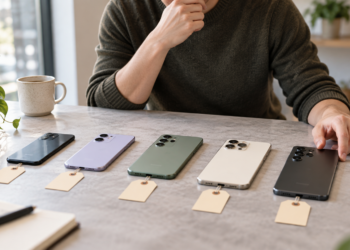
QUESTION: How much are you willing to pay for a phone?
The development of phones has also changed the differences in price categories. Previously, features seen only in expensive models are now found in even cheaper phones. Therefore, the question is not...
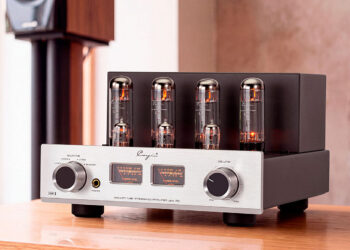
Cayin Jazz 70 – genuine tube sound and style at a reasonable price
The tube amplifier doesn't need to cost several thousand euros. The new Jazz 70 from Cayin brings classic EL34 tube technology, visible tubes, analog meters, and hand-crafted controls...

The use of artificial intelligence in music is growing rapidly, but there is still a lot to be learned about its use – at least in Finland.
Artificial music evokes significantly more reservations in Finns than the use of artificial intelligence in general. Artificial intelligence is rapidly becoming a part of everyday life, but the output it produces...
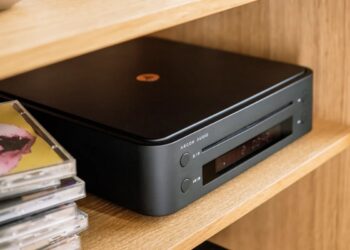
The new arrival of CDs is also reflected in devices – the Argon Audio CD1 is a new CD player priced at 399 euros
The arrival of vinyl records has been ongoing for a long time, and now a similar trend is also evident in CD records. Argon Audio responds to this interest with the new CD1 player,...

Audio-Technica ATH-AL5NC combines an open design and wireless connectivity – battery life up to 75 hours
Audio-Technica expands its range of open headphones with the ATH-AL5NC model, which is the manufacturer's first wireless open headphone. In addition to Bluetooth connectivity, it also features LDAC, noise reduction, and sound leakage...
 Suomi
Suomi  English