Hi-fi is a combination of passion, technology and the pure joy of listening. Assembling the perfect sound system for your home is not just about assembling equipment – it's a journey where every choice matters.
Whether it's your first stereo set or a hi-fi room that's evolved over the years, the right components, acoustics and placement will make the experience just right for you. In this article, we'll take you step by step through how to build your hi-fi dream - from both a practical and financial perspective. Small choices can make a big difference, and sometimes even a loan consolidation service can help.
When can loan consolidation be beneficial?
Although a hi-fi hobby can start small, over the years it can grow into an expensive passion. New speakers, a more powerful amplifier or expanding your vinyl collection can cost thousands of euros – and no one wants to make hasty decisions that jeopardize their financial balance. At this point, it’s a good idea to stop and think about the financial side as well. Is your current loan situation clear, or would it make sense to consider the possibility of consolidating your loans?
Loan consolidation services can be a useful tool when several smaller loans or credit card debt are weighing on your monthly budget. One larger, low-interest loan clarifies the situation and may reduce your monthly payments, which will also make it easier to save money for hobbies. This does not mean that you should take on more debt because of hi-fi equipment, but that you can organize your current debts more sensibly if they already exist. At this point, it is worth reading the page omalaina.fi/lainojen-yhdistaminen more specifically.
In addition, consolidation can give you a breathing space for saving and consideration. Instead of making a new big purchase in installments, you can first review your current debts, combine them into a more affordable package, and start saving for your target purchase. Smart spending is as much a part of the hi-fi hobby as choosing the right equipment. It allows for long-term development without financial stress.
Basic components in order
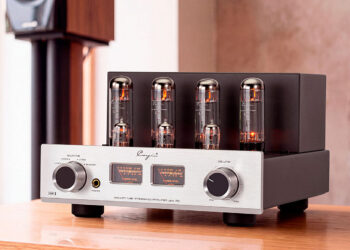
Perfect sound reproduction does not happen by chance. It is built from carefully selected parts that form a whole, where each piece influences the other. The basic components of a hi-fi system typically include speakers, an amplifier and an audio source, such as a turntable, CD player or digital streamer. In addition, a preamplifier, a DAC (a device that converts digital audio to analogue), and of course, proper cables that ensure the signal flows without interference.
In the early stages of your hobby, it's important to understand that everything starts with your own needs and space. Will the music play in the background in your living room, or do you plan to build a separate listening room where every nuance can be heard accurately? Answering these questions will help you figure out what to invest in first. For example, in a small apartment, it may make more sense to invest in high-quality floor-standing speakers and integrate an amplifier, while in a spacious room, floor-standing speakers and separate components will do better.
Another key point is balance. Too often, you see situations where an expensive amplifier is connected to cheap speakers or vice versa. In this case, the potential of the entire system is not used. A balanced whole means that the devices complement each other, and do not compete for attention. This does not mean that everything should cost a fortune, but that smartly distributing the budget can produce an excellent end result, especially when there is an awareness of what you are doing.
Amplifier and speaker interaction
If a hi-fi system were an orchestra, the amplifier and speakers would be its heart and soul. The amplifier is not just a volume control – it is the component that transmits the subtlest tones of all music to the speakers. On the other hand, the speakers are what ultimately make the sound visible to the ears. The compatibility of these two elements is a decisive factor for the entire listening experience.
Understanding how an amplifier and speakers work together starts with technical compatibility: impedance, power, and sensitivity. If these don’t match up properly, the result can be anemic sound or even hardware failure. But when everything works together – when the amplifier and speakers support each other’s nature – the result is a sound that will make you want to listen to it.
Sonic preferences also play a big role. Some amplifiers offer a warm, analog-like sound, while others emphasize neutrality and precision. Speakers have their own characteristics: some reproduce treble clearly and emphasize details, while others offer deep, smooth bass.
From vinyl to digital
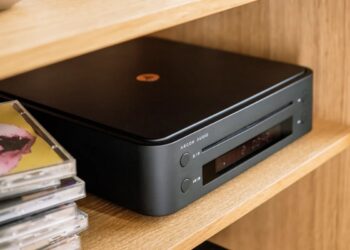
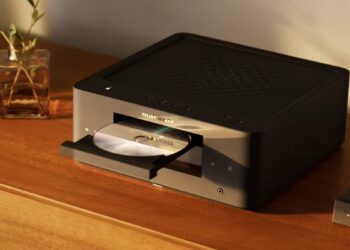
Once you've chosen your amplifier and speakers, you'll turn your attention to where the sound comes from – the audio sources. In today's hi-fi world, there's more choice than ever before. Classic vinyl has made a spectacular comeback, but there's still CDs, file-based playback and streaming services like Qobuz and Tidal, which offer lossless sound.
Vinyl is a hobby that requires more maintenance and components: the turntable, tonearm, cartridge and preamplifier form a whole, where each part has its own role. Many still swear by the warm and organic sound of vinyl. It's not just a sound, but also a ritual – choosing a record, lowering the needle, examining the cover. Vinyl brings a physicality to music listening that has often been lost in the digital age.