
Kaksi erilaista 2.1-kanavaista DIY-vahvistinmoduulia

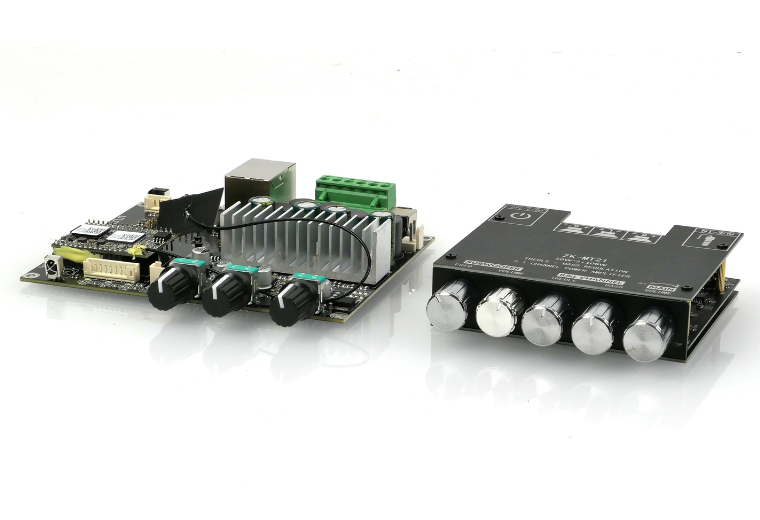
20 euron ZK-MT21
Mutta asiaan. Törmäsimme yhteen tällaiseen, vain 20 euron hintaiseen minikokoiseen vahvistinmoduuliin amazon.de -nettikaupassa. 20 euron hinta yhdistettynä 2 x 50 W + 100 W tehoon, säädettävään subbarin jakotaajuuteen ja tasoon, basso- ja diskanttisäätöihin, bluetooth-yhteyteen ja hyviin arvioihin, saivat mielenkiinnon heräämään sen verran, että pitihän sellainen tilata. Tuotetta vaikuttaa olevan myynnissä monissa kanavissa eri “merkkisenä” mutta malli on kaikissa sama ZK-MT21. Meidän version merkki oli WANGCL. Hinta vaikuttaa vaihtelevan aina 10-40 euron välillä ostopaikasta riippuen.
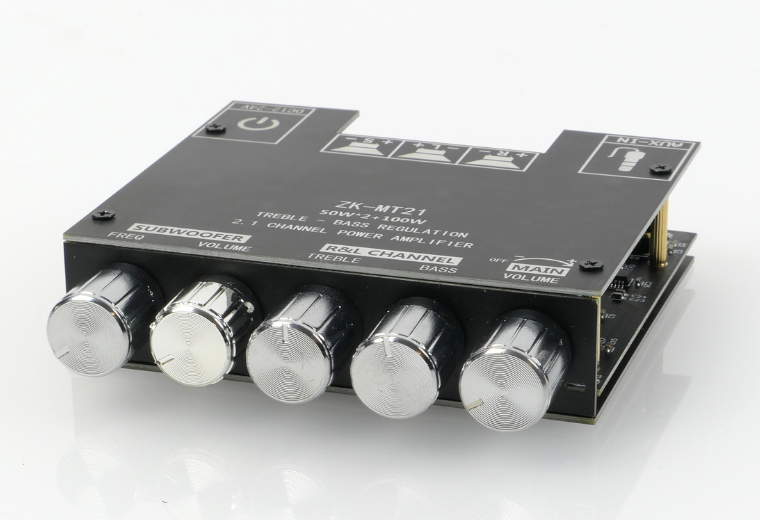
Jos ollaan tarkkoja, niin ZK-MT21 ei ole varsinaisesti “vain” vahvistinmoduuli, vaan sen toimitus sisältää myös erilliset kansi- ja pohjalevyt ja niiden kiinnitystarvikkeet. Näillä siitä tulee yhtä lailla minikokoinen 2.1-kanavainen pöytävahvistin.
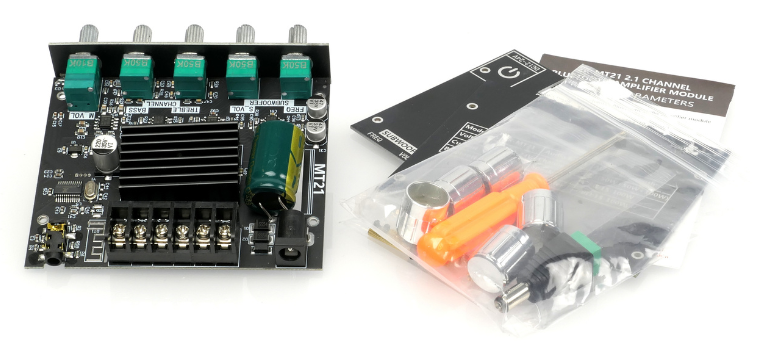
Vahvistimesta on myös lähes identtinen rinnakkaisversio mallimerkinnällä ZK-TB21, jossa on ainakin teoriassa laadukkaampi Texas Instrumentsin valmistama TPA3116 D-luokan vahvistinpiiriin. “Perusmallissa” käytetään kiinalaista CS8673e -piiriä. Josta muuten luvataan tehoa 2 x 40 W + 80 W, kun Texasin teho on “oikeasti” 2 x 50 W + 100 W. Mutta tehosta lisää tuonnempana.
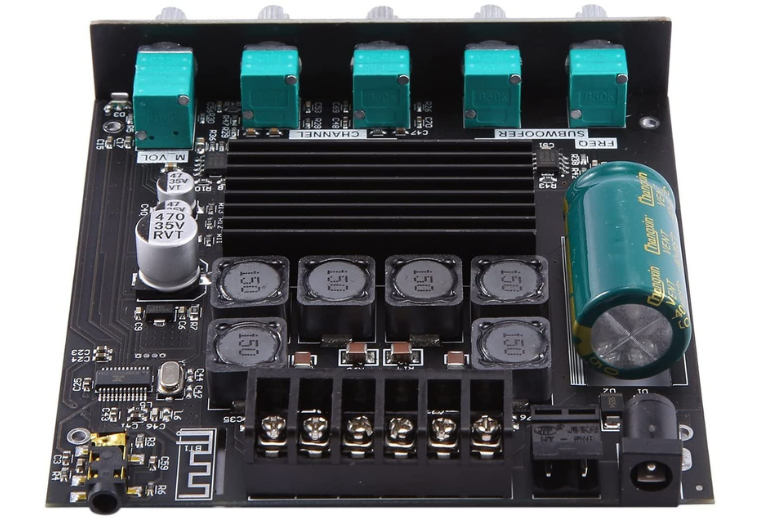
ZK-TB21:ssä jotkin komponentit myös “laadukkaampia” ja virralle on myös erillinen ruuviterminaali kun MT21:ssä vain plugi-liitintä (jos tällä nyt on mitään merkitystä). Tämä TI:n piirillä oleva malli oli Amazonin verkkokaupassa vain 8 euroa perusmallia kalliimpi, mutta koska olimme jo ehtineet tilata halvemman version, niin sillä mennään. Vahvistimessa on muuten bluetoothin lisäksi yksi linjatulo 3,5 mm liitimellä.
Vahvistinmoduulien käyttöjännite on 12-24 V, eikä virtalähde kuulu hintaan. Se maksaa helposti jopa paljon enemmän kuin itse vahvistin. Tässä on myös hyvä huomata, että virtalähteen tuottama käyttöjännite, ja myös sen virranantokyky vaikuttaa luonnollisesti vahvistimen tehoon. Valmistajan Ilmoittamat tehot on ilmoitettu 24 V / 5-9 A virtalähteellä. Me ostimme moduulille 24 V / 5A virtalähteen Suomesta. Se oli edullisemmasta päästä ja maksoi 34 euroa.
Jatka artikkelin lukemista
Tämä artikkeli kuuluu AVPlus Extra -sisältöön. Jatka lukemista 1 krediitillä.
Login if you have purchased
Lukuoikeus artikkeliin
Tämän artikkelin lukeminen maksaa 1 krediitin. Lukuoikeus avaa artikkelin kokonaisuudessaan ja tallentaa sen käyttäjätilillesi. Alkaen 0,39 €Most read today

Latest
Subscribe to the newsletter
Subscribe to our newsletter and stay up to date with the latest news in technology and entertainment electronics.
Survey
Quiz
Nokia phones
Related Posts

IN THE TEST: TCL 65C7L – Bright Mini LED with Wide Color Reproduction
TCL has invested heavily in Mini LED TVs in recent years and has also brought high brightness, rich local contrast, and comprehensive gaming features to clearly...
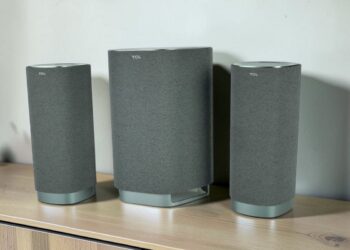
TCL Z100 and Z100-SW FlexConnect speakers – Easily almost like a real home theater
Dolby Atmos FlexConnect promises to solve one of the eternal problems of multichannel sound: the speakers don't need to be exactly in the right positions. The TCL Z100 speakers can...
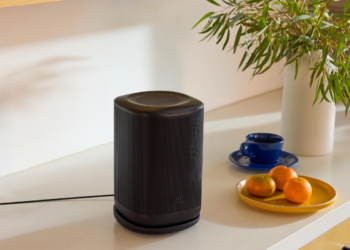
JBL released the Cove speaker family – three Wi-Fi models for music and multi-room audio
JBL has unveiled a new Cove speaker series that expands the manufacturer’s Wi-Fi-based home audio experience to include three different-sized speakers. The lineup includes the JBL Cove M1, the portable...
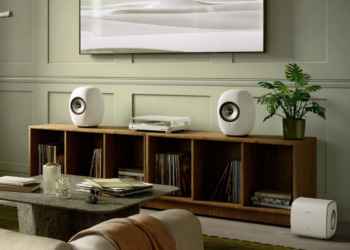
The KEF LS LUXE takes wireless headphones design to the next level – Ross Lovegrove’s design packs 760 watts of amplification power
KEF has expanded its range of wireless active speakers with the new LS LUXE speaker pair, which adds an exceptionally visible industrial design alongside technical performance....
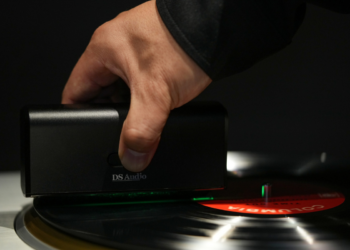
DS Audio SC-001 cleans the grooves on vinyl records by vibrating – the price is 1,450 euros
DS Audio has brought to market a rather exceptional accessory for cleaning vinyl records. The SC-001 Sonic Cleaning Brush looks like a record deck on the outside, but it...
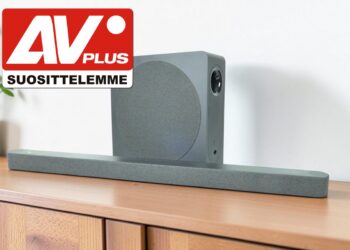
TCL A65K – affordable and just five cents deep 3.1.2 Dolby Atmos soundbar delivers an impressive sound
Technology is evolving, and the sound quality of soundbars has taken big strides. And a soundbar doesn't even have to be huge to be (almost) truly effective...
 Suomi
Suomi  English