
Everything you need from HDMI 2.1 technology

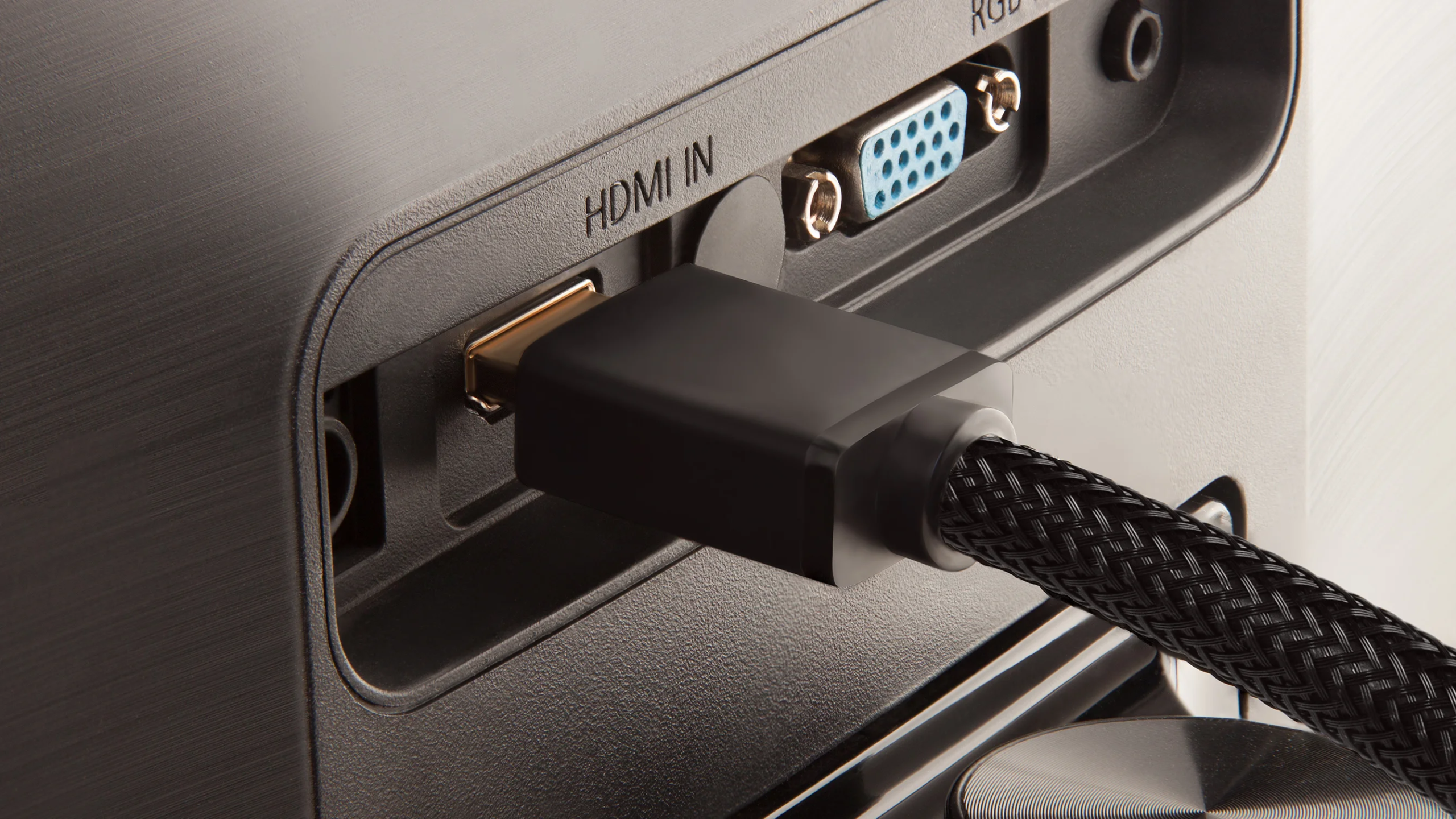
More and more movies are moving from movie theaters to the comfort of our own homes, and the demand for screens and monitors that offer high-definition video and entertainment is growing. When it comes to clear and ultra-sharp images, HDMI is an absolute must. The technology itself is not new, but its specifications are constantly evolving to ensure future display setups. This is where the new HDMI 2.1 generation comes into play.
Before we move on to HDMI 2.1, it is good to understand what HDMI means. HDMI stands for ”high definition multimedia interface”, which roughly translates to High Definition Multimedia Interface. This has been the standard for transferring high-resolution video and audio over a single cable and connector. It is mainly used by devices such as digital TVs, DVD players, projection screens, monitors, and gaming consoles such as Xbox. and the connection to PlayStation.
What does HDMI 2.1 mean?
HDMI 2.1 is the latest update to this technology and offers more bandwidth and resolution compared to its predecessors. The full features of HDMI 2.1 require a 2.1-compatible cable or Ultra High Speed HDMI cable.
HDMI 2.1 vs. 2.0; What's the difference?
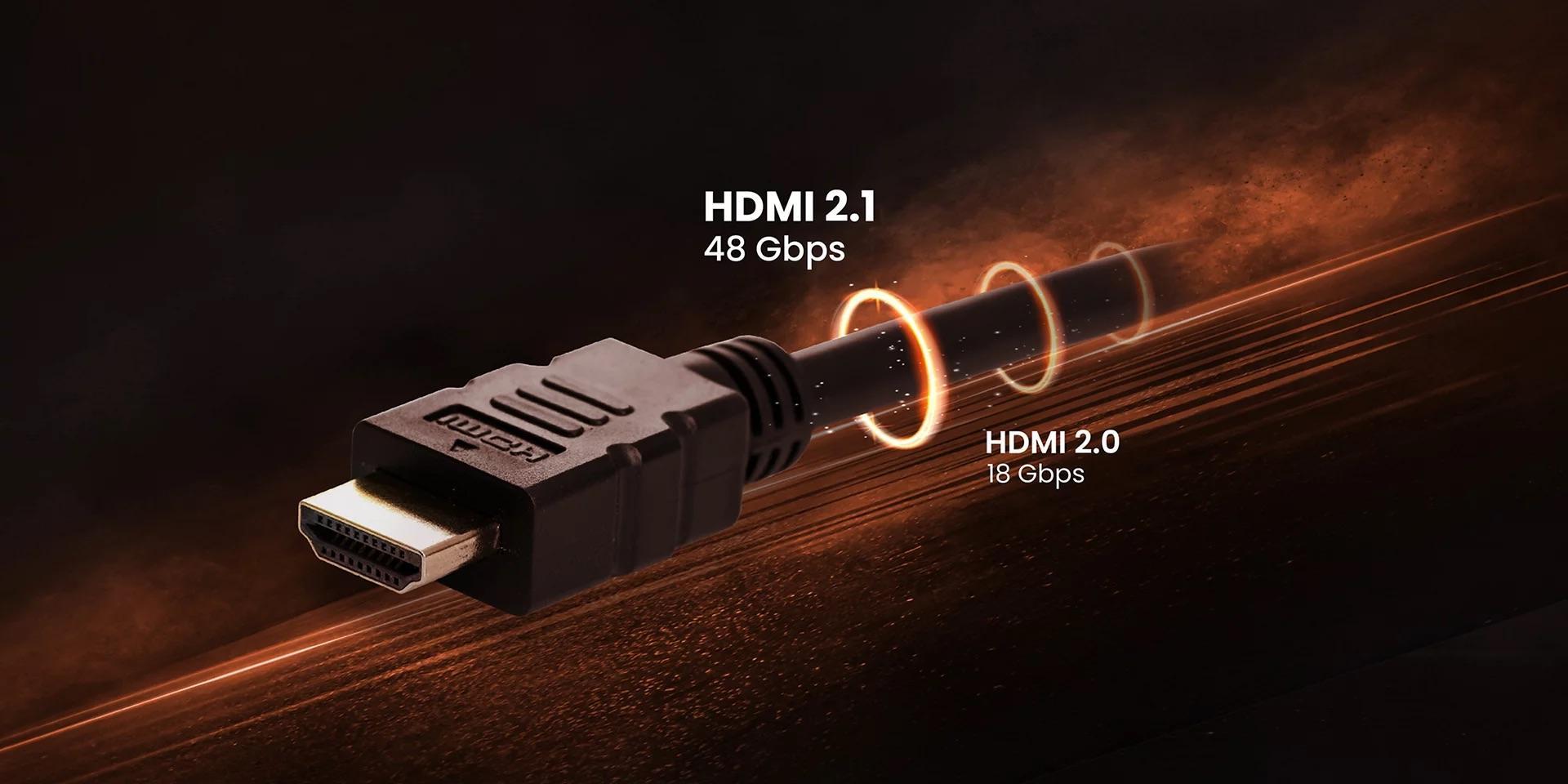
The main difference between HDMI 2.0 and 2.1 is the overall bandwidth and transfer rate. 2.0 supports only 18 Gbps bandwidth, which enables 4K video at 60 frames per second refresh rate, while HDMI 2.1 supports 48 Gbps bandwidth and enables up to 10K resolution at 120 frames per second refresh rate.
The updated cable also supports completely new features, such as dynamic HDR, automatic low latency mode, and improved eARC (enhanced audio return channel) to achieve an even more immersive audiovisual experience.
Why do you need an HDMI 2.1 monitor?
Higher bandwidth: Switching from HDMI 2.0 to HDMI 2.1 brings a higher bandwidth, from 18 Gbps to 48 Gbps, which means better data transfer speeds for 10K resolutions and even 120 Hz refresh rates.
Higher resolutions and faster refresh rates
HDMI 2.1 supports up to 10K resolution. Although even 8K content is not yet widely available. With an HDMI 2.1 display, you ensure the possibility of playing high-resolution content for the future. Additionally, it enables faster refresh rates of up to 120 Hz, which improves the viewing experience for sports events, action movies, and fast-paced games.
Dynamic HDR is a display technology that expands the brightness and color range of the image much further. It extends the contrast level beyond normal values, creating darker blacks and brighter whites. Thanks to the increased bandwidth added by HDMI 2.1, displays with HDMI 2.1 can enable dynamic HDR to be used seamlessly for an even more detailed visual experience.
HDMI 2.1 also brings other innovative features, such as improved audio return channel (eARC), variable refresh rate (VRR), and fast picture transfer (QFT) to improve the gaming experience.
Most read today

Latest
Subscribe to the newsletter
Subscribe to our newsletter and stay up to date with the latest news in technology and entertainment electronics.
Survey
Quiz
Nokia phones
Related Posts

QUESTION: How much are you willing to pay for a phone?
The development of phones has also changed the differences in price categories. Previously, features seen only in expensive models are now found in even cheaper phones. Therefore, the question is not...
Cayin Jazz 70 – genuine tube sound and style at a reasonable price
The tube amplifier doesn't need to cost several thousand euros. The new Jazz 70 from Cayin brings classic EL34 tube technology, visible tubes, analog meters, and hand-crafted controls...

The use of artificial intelligence in music is growing rapidly, but there is still a lot to be learned about its use – at least in Finland.
Artificial music evokes significantly more reservations in Finns than the use of artificial intelligence in general. Artificial intelligence is rapidly becoming a part of everyday life, but the output it produces...
The new arrival of CDs is also reflected in devices – the Argon Audio CD1 is a new CD player priced at 399 euros
The arrival of vinyl records has been ongoing for a long time, and now a similar trend is also evident in CD records. Argon Audio responds to this interest with the new CD1 player,...

Audio-Technica ATH-AL5NC combines an open design and wireless connectivity – battery life up to 75 hours
Audio-Technica expands its range of open headphones with the ATH-AL5NC model, which is the manufacturer's first wireless open headphone. In addition to Bluetooth connectivity, it also features LDAC, noise reduction, and sound leakage...
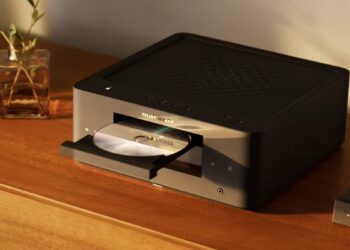
The Marantz MCR 60n combines CD, vinyl, streaming, and TV audio into one device
Marantz has introduced the new MCR 60 multi-functional device, which continues the manufacturer's long series of compact Melody systems. A web player, CD player, and...
 Suomi
Suomi  English