
Fisher – A legend of his time, especially in the United States

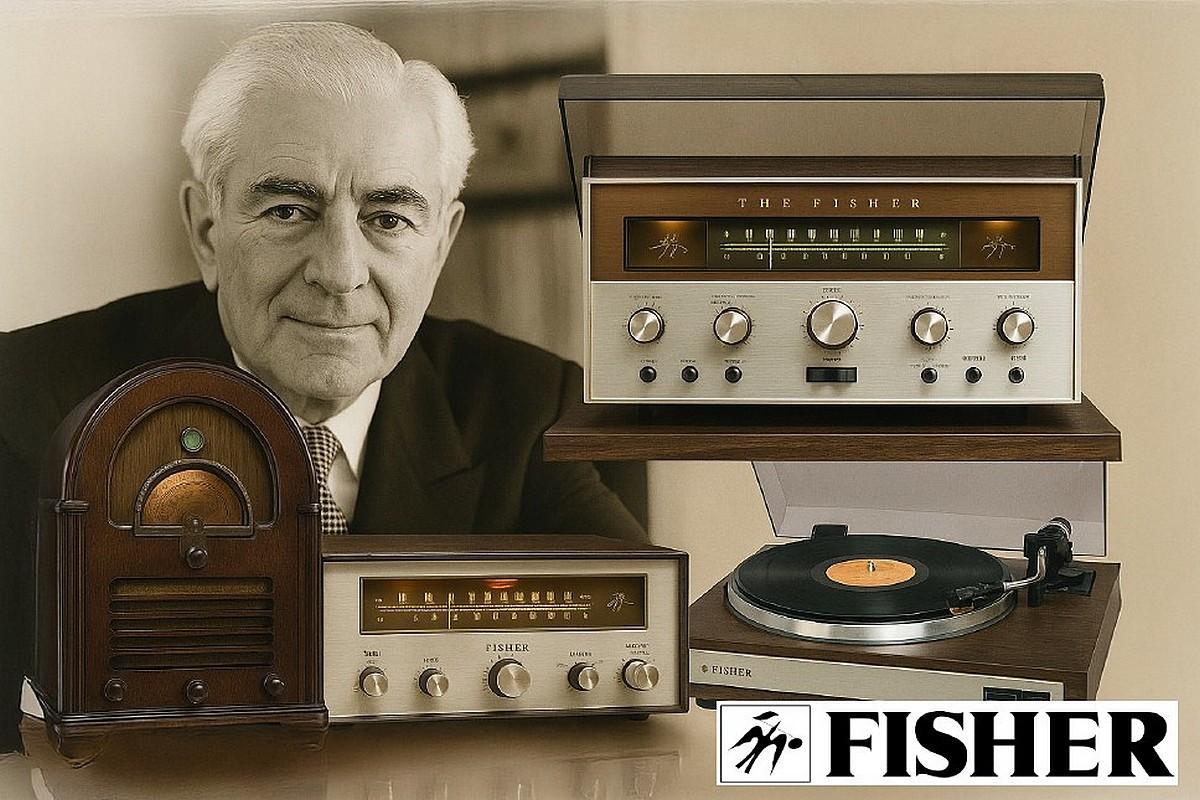
Fisher oli aikoinaan hyvinkin tunnettu ja arvostettu hifimerkki. Alkujaan etenkin kotimaassaan Yhdysvalloissa, mutta myöhemmin myös Euroopassa ja Suomessakin. Suomessa “alkuperäinen” Fisher jäi tosin hieman marginaaliin kotimaisten ja eurooppalaisten merkkien hallitessa markkinoita.
Fisherin taustalta löytyy, kuten usein on tapana, ihan oikea henkilö. Tässä tapauksessa Avery Fisher (1906–1994).
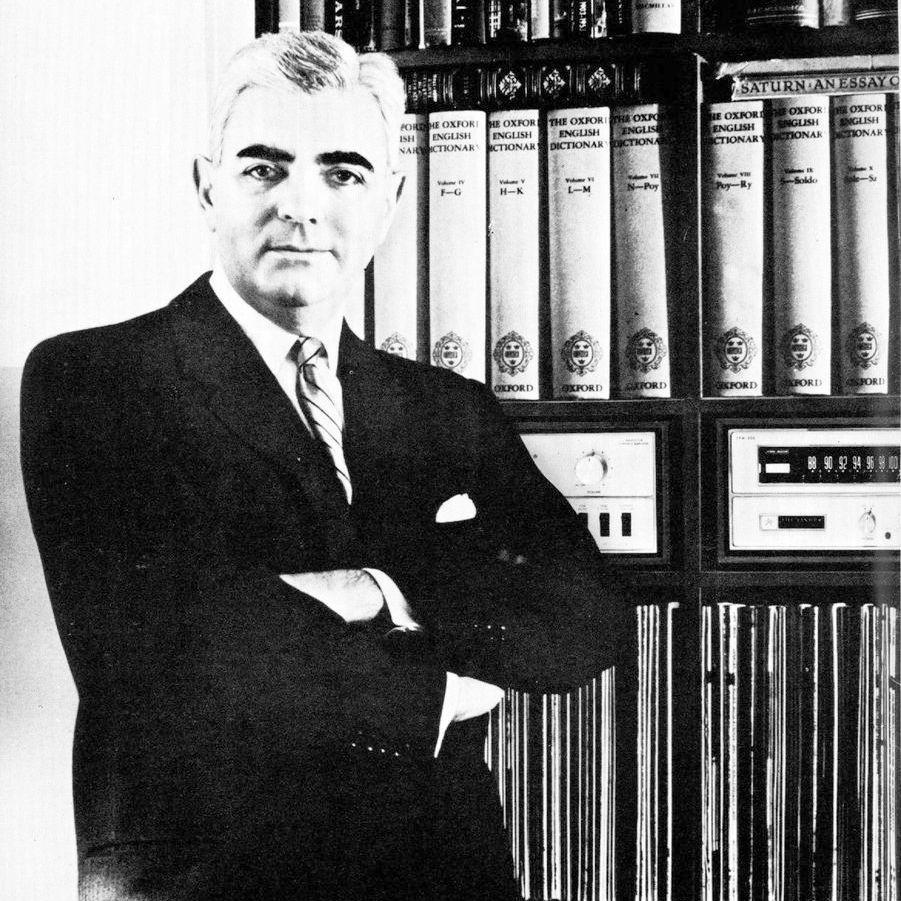
Fisher syntyi Brooklynissa, New Yorkissa, juutalaiseen perheeseen, joka oli muuttanut Yhdysvaltoihin Kiovasta vuonna 1903. Hän valmistui New Yorkin yliopistosta vuonna 1929 ja työskenteli aluksi kirjasuunnittelijana, mutta oli kiinnostunut myös äänentoistotekniikan kehittämisestä. Hän oli intohimoinen amatööriviulisti ja rakasti musiikkia, mutta ei ollut tyytyväinen tuon ajan radioiden äänenlaatuun. Niin hän ryhtyi etsimään keinoja paremman äänen tuottamiseen.
Avery Fisherillä ei kuitenkaan ollut varsinaista koulutusta äänentoistotekniikasta. Hänen tekninen ymmärryksensä ja taitonsa hifi-laitteiden kehittämisessä perustuivat kiinnostukseen, omatoimiseen opiskeluun, kokeiluihin ja yhteistyöhön asiantuntijoiden kanssa. Näistä kokeiluista syntyi vuonna 1937 hänen ensimmäinen yrityksensä, Philharmonic Radio.
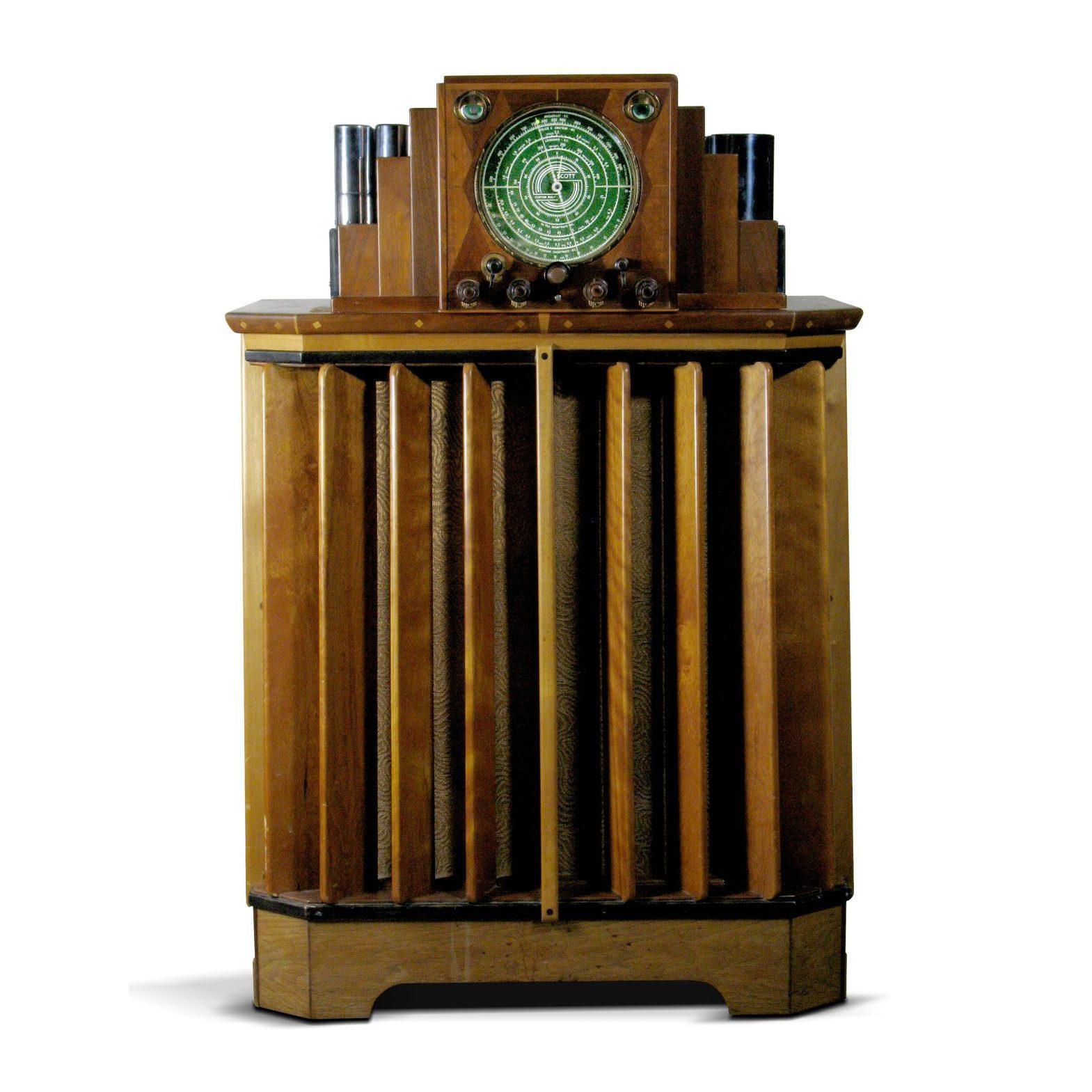
Avery Fisher perusti Philharmonic Radio Companyn yhdessä Victor Brocinerin kanssa. Yritys keskittyi korkealaatuisten äänentoistolaitteiden valmistukseen aikana, jolloin radiot eivät vielä tarjonneet hifi-tasoista äänenlaatua.
Jatka artikkelin lukemista
Tämä artikkeli kuuluu AVPlus Extra -sisältöön. Jatka lukemista 1 krediitillä.
Login if you have purchased
Lukuoikeus artikkeliin
Tämän artikkelin lukeminen maksaa 1 krediitin. Lukuoikeus avaa artikkelin kokonaisuudessaan ja tallentaa sen käyttäjätilillesi. Alkaen 0,39 €Most read today
Latest
Subscribe to the newsletter
Subscribe to our newsletter and stay up to date with the latest news in technology and entertainment electronics.
Survey
Quiz
Nokia phones
Related Posts
Philips The Roller ja The Tube – Liikkuvaa ääntä ihan omalla tyyliillä
Philips The Roller ja The Tube tuovat 1980-luvun boombox-hengen takaisin ilman kasetteja tai radiota. Tilalla ovat Bluetooth, akku, Auracast ja...
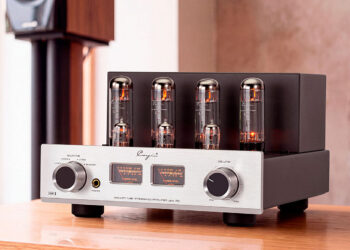
Cayin Jazz 70 – genuine tube sound and style at a reasonable price
The tube amplifier doesn't need to cost several thousand euros. The new Jazz 70 from Cayin brings classic EL34 tube technology, visible tubes, analog meters, and hand-crafted controls...

The use of artificial intelligence in music is growing rapidly, but there is still a lot to be learned about its use – at least in Finland.
Artificial music evokes significantly more reservations in Finns than the use of artificial intelligence in general. Artificial intelligence is rapidly becoming a part of everyday life, but the output it produces...
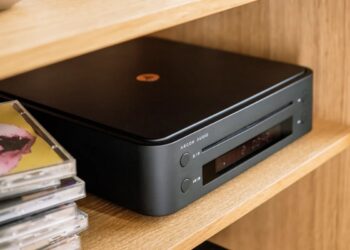
The new arrival of CDs is also reflected in devices – the Argon Audio CD1 is a new CD player priced at 399 euros
The arrival of vinyl records has been ongoing for a long time, and now a similar trend is also evident in CD records. Argon Audio responds to this interest with the new CD1 player,...
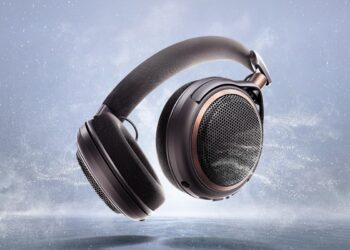
Audio-Technica ATH-AL5NC combines an open design and wireless connectivity – battery life up to 75 hours
Audio-Technica expands its range of open headphones with the ATH-AL5NC model, which is the manufacturer's first wireless open headphone. In addition to Bluetooth connectivity, it also features LDAC, noise reduction, and sound leakage...
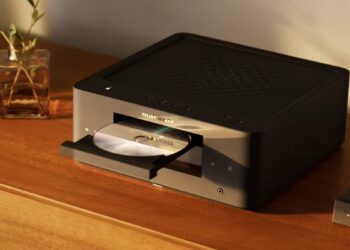
The Marantz MCR 60n combines CD, vinyl, streaming, and TV audio into one device
Marantz has introduced the new MCR 60 multi-functional device, which continues the manufacturer's long series of compact Melody systems. A web player, CD player, and...
 Suomi
Suomi  English